Escalating Tensions: Why a Renewed Iran-US Conflict Looms in 2026


The delicate ceasefire that has held the Middle East in a state of uneasy suspension since early April is showing signs of terminal decay. As of mid-2026, the geopolitical landscape remains volatile, with high-ranking officials in Tehran explicitly warning that a return to open warfare with the United States is not just a possibility, but a “likely” outcome. This stark assessment follows a breakdown in the latest round of diplomatic overtures, leaving the international community to wonder if the window for a peaceful resolution has officially slammed shut.
The Diplomatic Impasse: A Failure of Negotiation
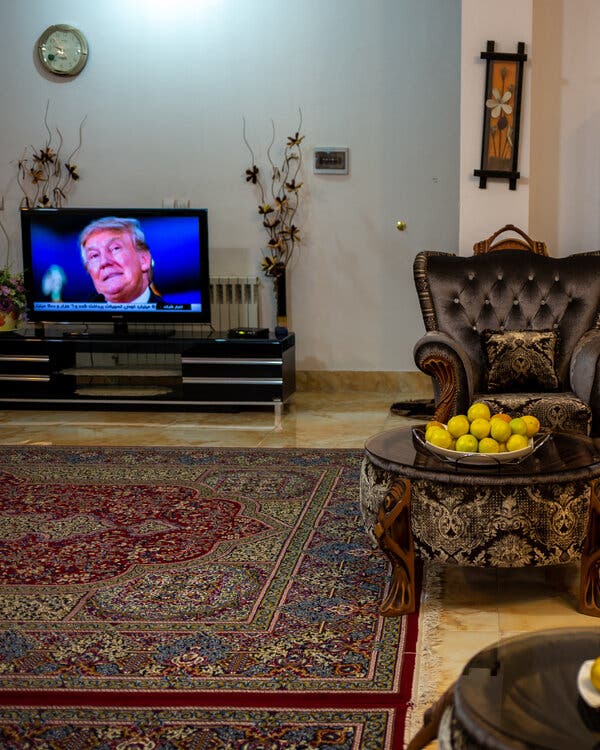
The current friction stems from a stalled peace process mediated by Pakistan. Earlier this week, Iran submitted a new draft proposal intended to break the months-long stalemate. However, the response from Washington was swift and dismissive. President Donald Trump publicly voiced his dissatisfaction with the terms, citing “tremendous discord” within the Iranian leadership as a primary obstacle to a viable deal.
The White House, meanwhile, has been pushing for stricter constraints on Iran’s nuclear program, specifically demanding that Tehran cease moving enriched uranium from bombed sites and halt all enrichment activities during the negotiation phase. Iran, for its part, maintains that its nuclear program is strictly regulated under IAEA supervision and rejects any “imposition” of terms that it views as an infringement on its national sovereignty.
Military Posturing and the “Pirate” Rhetoric
The rhetoric on the ground—and at sea—is equally concerning. Mohammad Jafar Asadi, a senior figure in the Iranian military’s central command, recently delivered a chilling warning: the United States is not committed to its promises, making further conflict unavoidable. This sentiment is echoed by the Iranian Foreign Ministry, which has stated that the choice between diplomacy and war now rests entirely in Washington’s hands.
Tensions are being exacerbated by the ongoing US naval blockade. President Trump’s recent remarks, in which he compared the seizure of Iranian vessels to “profitable” piracy, have infuriated Tehran.
The Economic Cost of the Blockade
Revenue Loss: The Pentagon estimates that Iran has suffered over $4.8 billion in oil revenue losses since the blockade began.
Bottlenecked Exports: Approximately 31 tankers carrying 53 million barrels of oil remain stranded in the Gulf.
- Supply Chain Disruption: Many vessels are now forced to take longer, costlier routes to reach markets like China, driving up global shipping and insurance costs.
Strategic Objectives vs. Reality
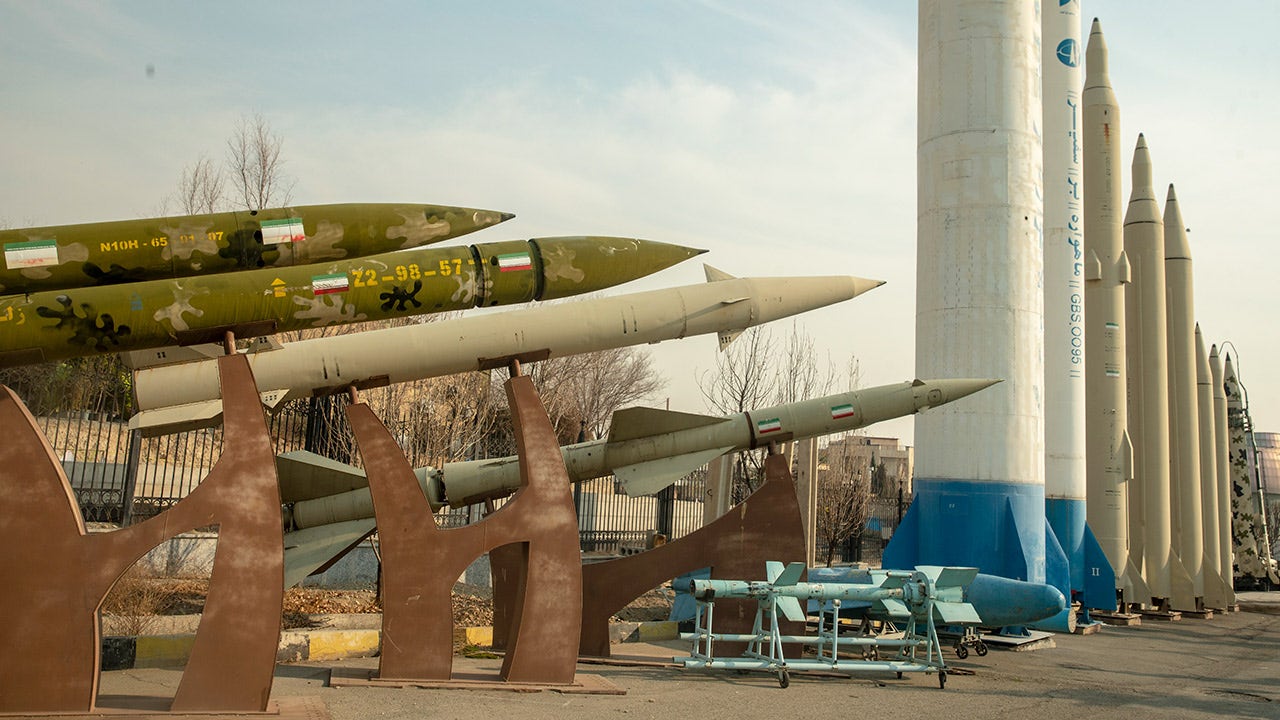
The military campaign, initiated jointly by the US and Israel in late February 2026, was built on three core pillars: neutralizing Iran’s nuclear ambitions, dismantling its missile program, and creating the socio-political conditions for regime change. Six weeks into the conflict, these objectives remain largely unfulfilled.

While the US Navy continues its aggressive interdiction of Iranian tankers, the strategic value of these seizures is being debated. While the administration frames these actions as necessary economic pressure to force a ceasefire, critics argue that such maneuvers only push Iran closer to abandoning the negotiation table entirely.
The Role of Israel and Regional Allies
Notably, Israel—the primary partner in the initial military push—remains absent from the formal peace talks in Pakistan. This absence is no accident; Pakistan, which does not recognize Israel’s sovereignty, has kept the negotiations strictly bilateral between Tehran and Washington. This exclusion complicates the peace process, as Iran views the US-Israeli alliance as a singular threat, making it difficult to achieve a comprehensive regional de-escalation.
Can Diplomacy Prevail?
The path forward is narrow. Tehran maintains that it is prepared for both “the path of diplomacy or the continuation of a confrontational approach.” However, with the US demanding total compliance on nuclear issues and Iran refusing to accept terms it deems humiliating, the “middle ground” is vanishing.
The international community is watching with bated breath. If the US continues to prioritize the naval blockade and “maximum pressure” tactics, the likelihood of a return to full-scale kinetic warfare increases. Conversely, if Washington remains unwilling to offer concessions, the “tremendous discord” within Tehran may prove to be the least of the problems facing global energy security and regional stability.
Conclusion: A Precarious Future
As we move deeper into 2026, the question is no longer whether war is possible, but whether it is inevitable. The breakdown in communication, the economic strangulation of Iranian ports, and the hardening of military stances on both sides suggest that the current truce is merely a pause in a much larger, more dangerous conflict. Unless a significant breakthrough occurs in the coming weeks, the world may be bracing for a return to the fire and fury that defined the early months of the year.