Beyond Diplomacy: Prime Minister Mark Carney’s Pivot to Armenia and the New Canadian Foreign Policy

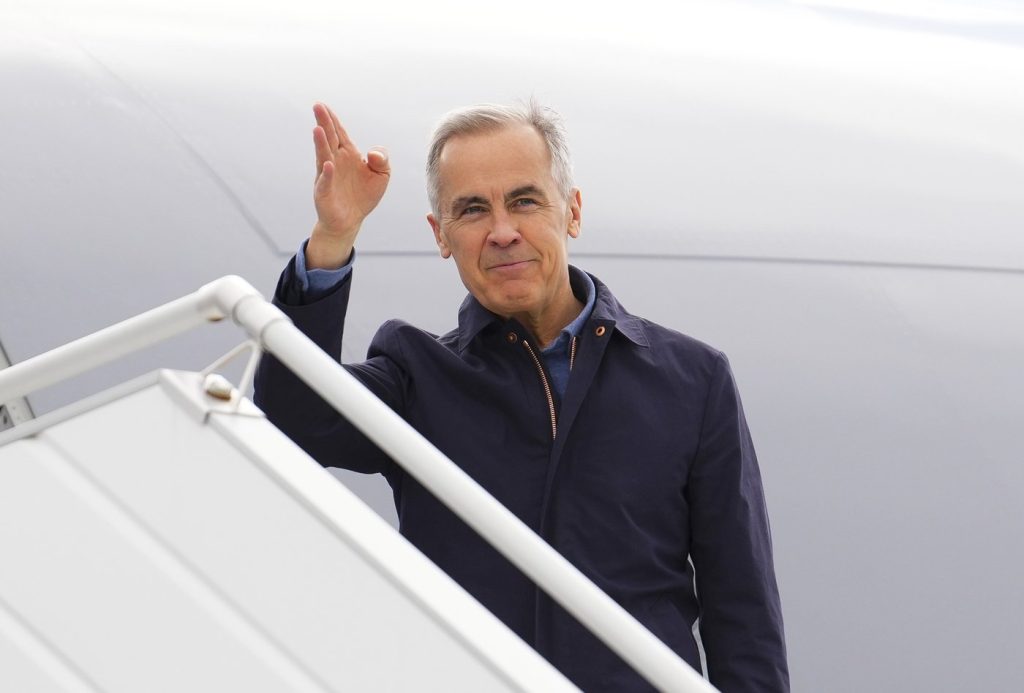
In a move that signals a profound transformation in Ottawa’s international agenda, Prime Minister Mark Carney is heading to Yerevan, Armenia, to participate in the European Political Community (EPC) summit. This high-stakes visit marks the first time a Canadian leader has set foot in Armenia since 2018, yet the motivations behind the trip are drawing sharp scrutiny from foreign policy experts.
While the Prime Minister’s office frames the visit as a strategic pillar for supporting Ukraine and fostering European investment, critics argue that the trip exemplifies a departure from Canada’s traditional role as a global champion of democratic norms and human rights.
The Shift from Values-Based Diplomacy to Pragmatic Interests
For years, Canada’s foreign policy toward the Caucasus—and specifically Armenia—was defined by moral advocacy. Ottawa frequently spoke out against ethnic conflict, supported the Armenian diaspora, and championed the development of “fragile” democracies in former Soviet states. However, as of May 2026, experts suggest that this era of “virtue-signaling” has been replaced by a cold, calculated pursuit of national economic interests.
Jean-François Ratelle, an international studies professor at the University of Ottawa, argues that the current administration is prioritizing domestic economic gain over the global leadership roles that once defined Canada. “We are witnessing a complete change of our foreign policy and what our general interests are,” Ratelle noted. According to experts, the focus has pivoted away from human rights in the Caucasus toward securing defense procurement deals and forging trade links that benefit the Canadian bottom line.
Why Armenia? The Geopolitical Chessboard
Armenia occupies a unique and increasingly volatile space in international relations. Bordering Iran and caught between the influence of Russia, Turkey, and the European Union, the nation is a focal point for global power dynamics.
Strategic Positioning: Armenia is currently attempting to pivot toward the West, seeking stronger ties with middle powers like Canada to navigate its “slippery peace process” with Azerbaijan.
The Iran Connection: Both Armenia and Azerbaijan share borders with Iran, making them critical nodes in proposed infrastructure projects that could eventually link Asian and European markets.
- The U.S. Influence: Washington is actively encouraging peace deals between Yerevan and Baku through shared economic infrastructure, hoping to stabilize the region for long-term investment.
Inside the EPC Summit: A Forum for Defence and Trade
The European Political Community summit is more than just a diplomatic gathering; it is a venue for the “who’s who” of Western leadership. Prime Minister Carney is set to engage in bilateral discussions with key figures, including Ukrainian President Volodymyr Zelenskyy, Italian Prime Minister Giorgia Meloni, and Spanish Prime Minister Pedro Sánchez.
Achim Hurrelmann, co-director of the Centre for European Studies at Carleton University, suggests that Carney’s primary objective is not necessarily regional stability, but rather the advancement of common initiatives launched with the EU.
“My guess is that he is primarily interested in the opportunity to meet EU leaders, and leaders from especially Ukraine and the U.K. all at once, to try to move toward implementing some of the common initiatives,” Hurrelmann stated. The emphasis here is on defence procurement and the elusive goal of attracting private investment into joint Canadian-European security projects.
The Critics’ Perspective: Abandoning the “Walk the Walk”
Despite the potential economic upside, the shift in policy leaves a void in Canada’s international standing. Observers point out that the embassy in Yerevan, once seen as a beacon for democratic reform, has become largely silent on issues of human rights and judicial corruption.
Key Criticisms of the Current Administration:
- Ignoring Regional History: The official press release for the trip conspicuously avoided mentioning the recent history of ethnic conflict in Nagorno-Karabakh.
- Lack of Priority: During the G7 summit hosted by Carney earlier this year, the Caucasus was notably absent from the agenda, signaling to global partners that the region is not a top-tier priority.
- Performative Democracy: Critics argue that while the government previously used strong rhetoric regarding the Armenian genocide and regional ethnic cleansing, it has failed to follow up with tangible policy actions or sustained support for Armenia’s democratic institutions.
Looking Ahead: The Future of Canadian Foreign Policy
As Canada prepares to engage more deeply with Turkey—a country with a complex and often hostile relationship with Armenia—the balancing act for Prime Minister Carney will only become more difficult. With a NATO summit on the horizon in July, the Prime Minister is clearly signaling that economic diplomacy and defence readiness are the new cornerstones of his administration.
While this pragmatic approach may yield immediate results in trade and procurement, it faces the long-term risk of alienating allies who expected Canada to maintain its role as a moral arbiter. Whether this transition will prove successful in the long term depends on whether Canada can secure the stability required to make these new infrastructure and trade projects viable.
For now, the world is watching to see if this “Carney Doctrine” of economic-first foreign policy will pay dividends or if it will leave Canada without the soft power and diplomatic influence it once wielded on the global stage.