Zack Polanski Under Fire: Why the Debate on Police Scrutiny Still Matters

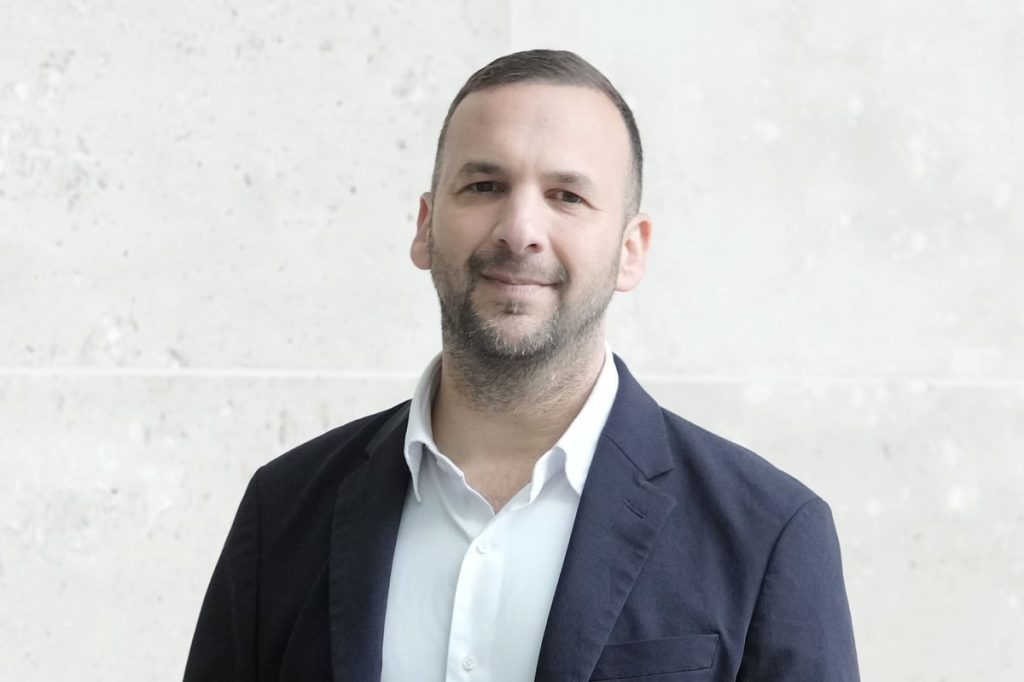
The intersection of public accountability, law enforcement conduct, and political discourse reached a fever pitch recently following the controversy surrounding Green Party leader Zack Polanski. The debate centers on a social media post shared by Polanski regarding the police response to a violent stabbing incident in Golders Green, London. While Polanski has since issued an apology for the platform on which he voiced his concerns, the underlying question remains: Are the police above scrutiny in high-stakes situations?
This incident has ignited a national conversation, drawing in high-profile figures from the Prime Minister to the Metropolitan Police Commissioner, Sir Mark Rowley. As we navigate the complexities of policing in 2026, the tension between supporting officer bravery and demanding transparency has never been more palpable.
The Golders Green Incident: A Brief Overview
The controversy erupted after a violent knife rampage in the north-west London suburb of Golders Green. The alleged attacker, 45-year-old Essa Suleiman, was accused of attempting to kill two men—Shloime Rand and Norman Shine. During the apprehension process, footage surfaced showing officers physically engaging with the suspect.
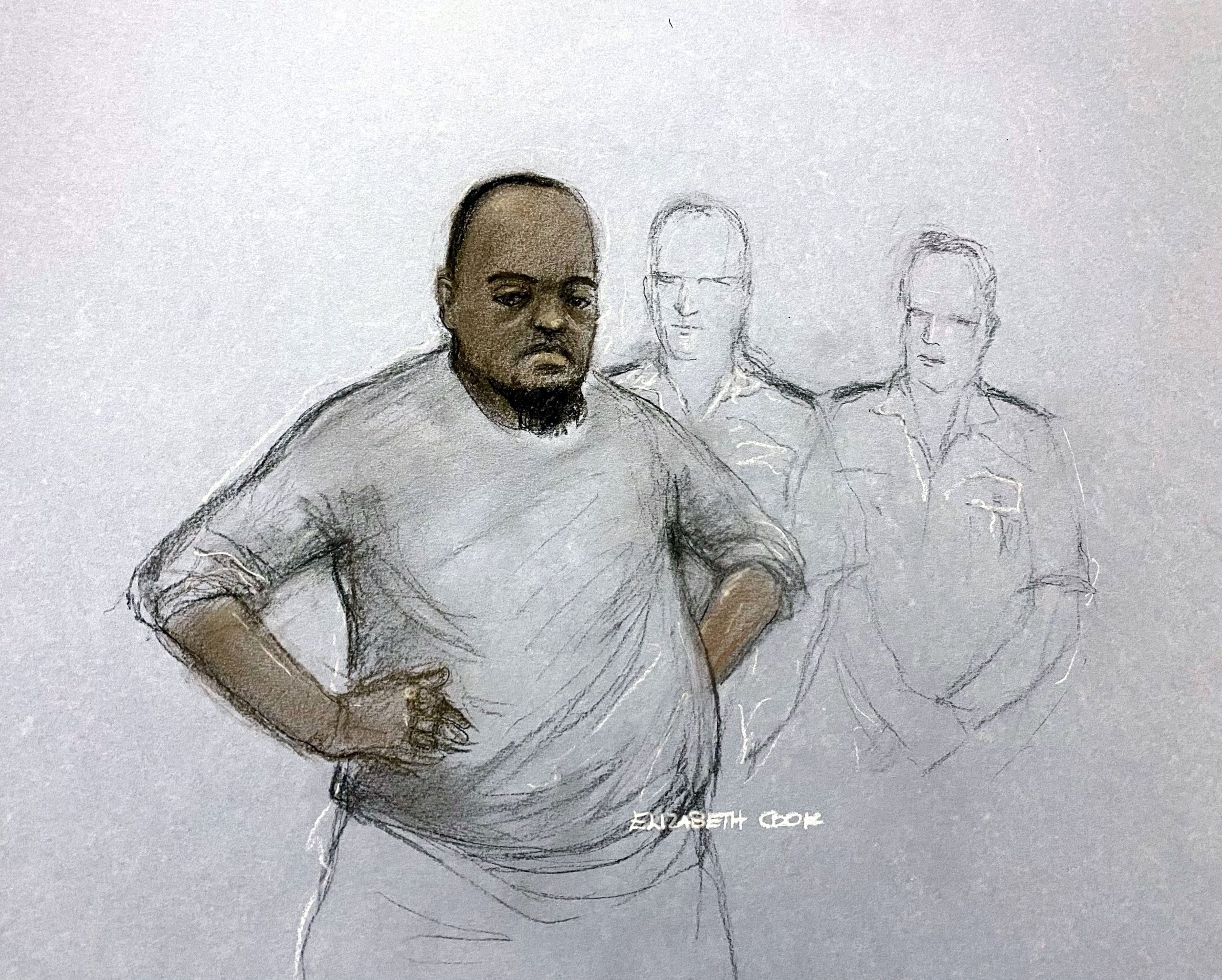
A post shared by Zack Polanski on X (formerly Twitter) alleged that officers had “repeatedly and violently” kicked the suspect in the head while he was already incapacitated by a Taser. This repost triggered an immediate backlash, with Prime Minister Sir Keir Starmer labeling the politician’s actions as “disgraceful” and suggesting they rendered him unfit to lead a political party.
The Scrutiny vs. Support Dilemma
In his defense, Polanski has consistently argued that acknowledging the inherent bravery of police officers does not preclude the necessity for institutional oversight. Speaking on Sunday Morning With Trevor Phillips, he articulated a nuanced position that many find both controversial and necessary in a modern democracy.
The Balancing Act
Polanski noted that while the public rightfully celebrates officers who run toward danger—a task most civilians would avoid—this heroism does not provide a “blanket immunity” from critique. The core of his argument is that public service requires accountability. If the police are to maintain the trust of the communities they serve, their actions must be subject to scrutiny, especially when force is used against an apprehended individual.
The Commissioner’s Rebuke
Metropolitan Police Commissioner Sir Mark Rowley took the unusual step of writing an open letter to Polanski, condemning the repost. Rowley argued that such public criticism from a political leader undermines the confidence of officers who operate in incredibly volatile environments. Polanski, however, pushed back, stating that using open letters for political theater is not an “appropriate way to do politics,” particularly during election cycles.
Political Perspectives: Where Do Leaders Stand?
The discourse surrounding the Golders Green incident has crossed party lines, revealing deep ideological rifts regarding how the state should handle dangerous individuals.
Heidi Alexander’s Stance
Cabinet minister Heidi Alexander provided a starkly different perspective, offering a “real-world” assessment of the officer’s position. She told Times Radio that, given the uncertainty of the situation—specifically the fear that the suspect might have been carrying an explosive device in his backpack—she could envision herself acting in a similar manner to the officers on the scene.
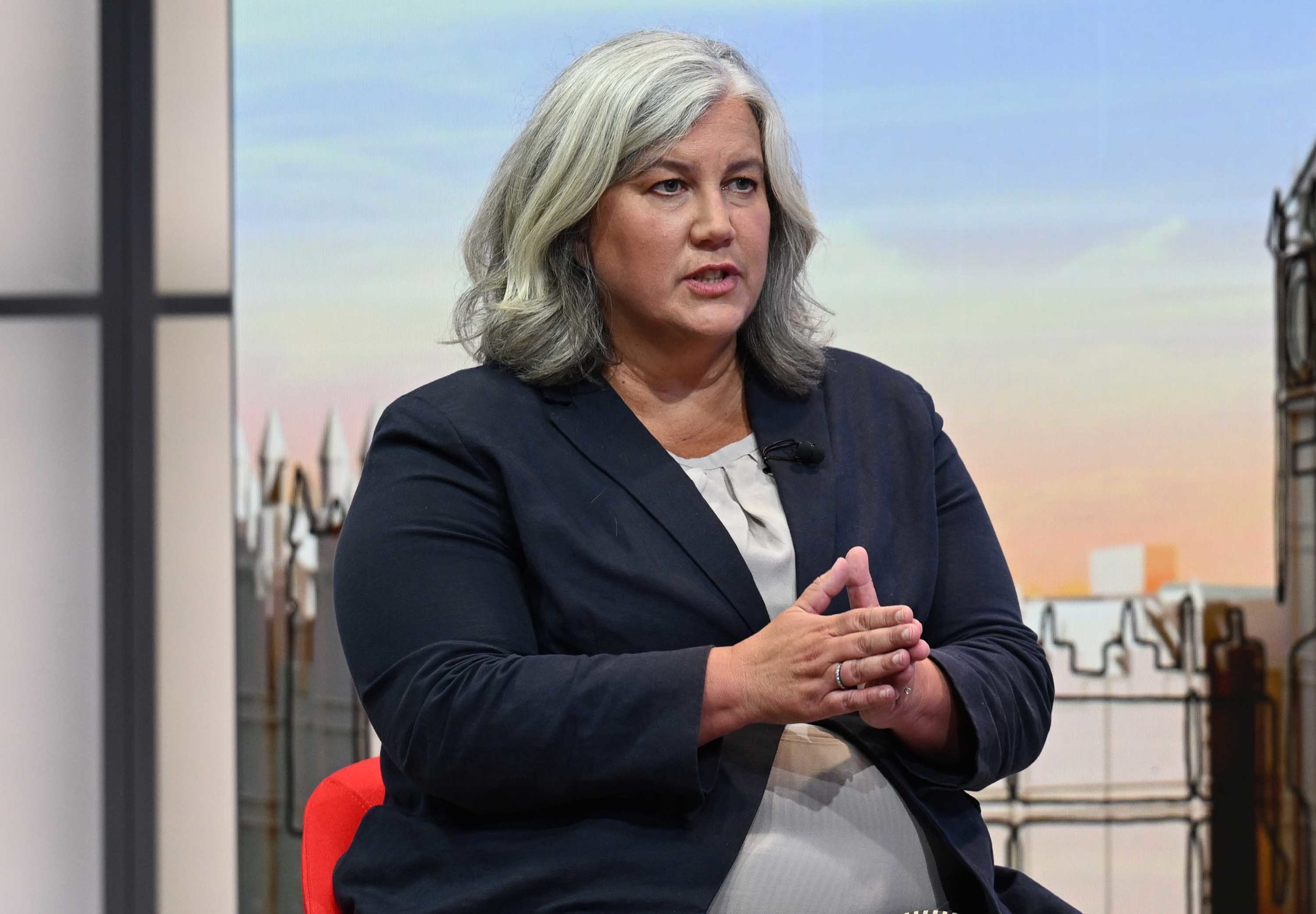
This perspective highlights the “Split-Second Decision” defense, often used to justify police force. It suggests that when officers are operating under the threat of terrorism, the standard of review for their actions must account for the immediate and extreme risk to life.
Beyond the Golders Green Post: Antisemitism and Language
The controversy did not stop at the Golders Green incident. Polanski, who is Jewish, has found himself at the center of broader debates regarding the safety of the Jewish community and the language used at demonstrations.
Policing Language vs. The Right to Protest
When pressed on the use of slogans like “globalise the intifada” at Gaza marches, Polanski maintained a delicate position. While he explicitly discourages the use of that phrase, he emphasized that he is “not interested” in policing the language of protesters. He argued that the focus should remain on the humanitarian crisis, stating:
- Words Matter: Acknowledging that language has weight.
- Defending Protest: Maintaining the fundamental right of citizens to assemble and express grief or anger.
- Priorities: Highlighting that the loss of life in Gaza and Lebanon remains his primary concern.
The Antisemitism Allegations
Polanski also spoke out against the Times newspaper regarding a caricature of him that he claims utilized antisemitic tropes, specifically a “visibly hooked nose.” He expressed frustration that despite his public role and his own experiences with antisemitism—including two arrests related to threats against him in the last six weeks—the media continues to use dehumanizing imagery. He argued that for the Jewish community, these tropes are not “abstract,” but rather daily threats that impact safety.
Conclusion: Lessons for 2026 and Beyond
The situation involving Zack Polanski is a microcosm of the challenges facing democratic societies in 2026. We are witnessing a collision between:
Institutional Accountability: The demand that police remain transparent and answerable to the public.
Operational Reality: The need for police to make split-second, potentially lethal decisions under extreme duress.
Political Responsibility: The duty of leaders to balance critique with support for public servants.
While Polanski apologized for the forum* in which he chose to share his criticism, he has not backed down from the principle that no one is above scrutiny. As the UK continues to grapple with these sensitive issues, the path forward requires a more sophisticated dialogue—one that respects the danger inherent in police work while refusing to sacrifice the standards of justice and fairness upon which the rule of law is built.