Starmer’s High-Stakes Gamble: Navigating Leadership Rumours Amid Labour’s Electoral Crisis

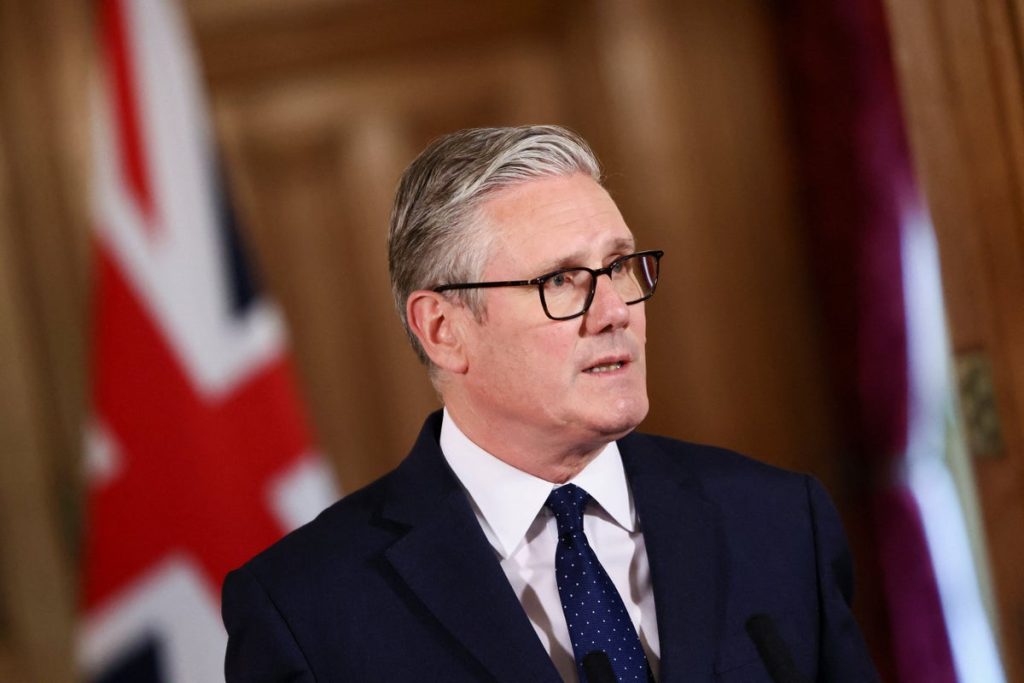
As the political landscape of 2026 shifts beneath his feet, Prime Minister Sir Keir Starmer has issued a stark warning to the Labour Party: stop the infighting or face a catastrophic collapse similar to the previous Conservative administration. With local election results across England, Scotland, and Wales looming—and appearing increasingly disastrous—the stability of the current government is under unprecedented scrutiny.
The Specter of Internal Rebellion
The atmosphere within Westminster has turned volatile. As the Prime Minister attempts to steer his legislative agenda through a period of intense turbulence, reports of a brewing leadership challenge have moved from the fringes of political gossip to the center of the national conversation.
The core of the issue lies in the perception of a “self-indulgent debating society” developing within the party ranks. Transport Secretary Heidi Alexander has emerged as a vocal defender of the status quo, famously telling dissenters to “give their heads a gentle wobble.” Her blunt assessment reflects a growing frustration among Starmer loyalists who believe that internal bickering is a luxury the party cannot afford while the nation faces complex economic challenges.
The Rise of Potential Successors
Speculation is rife regarding who might step into the vacuum should Sir Keir’s position become untenable. Among the names frequently mentioned are:
Andy Burnham: The Mayor of Greater Manchester is reportedly formulating a strategic path back to Westminster. Despite past hurdles from the National Executive Committee (NEC), rumors suggest he is seeking a by-election opportunity to re-enter the Commons and challenge the PM’s authority.
Wes Streeting: The Health Secretary is widely considered to have significant support within the parliamentary party.
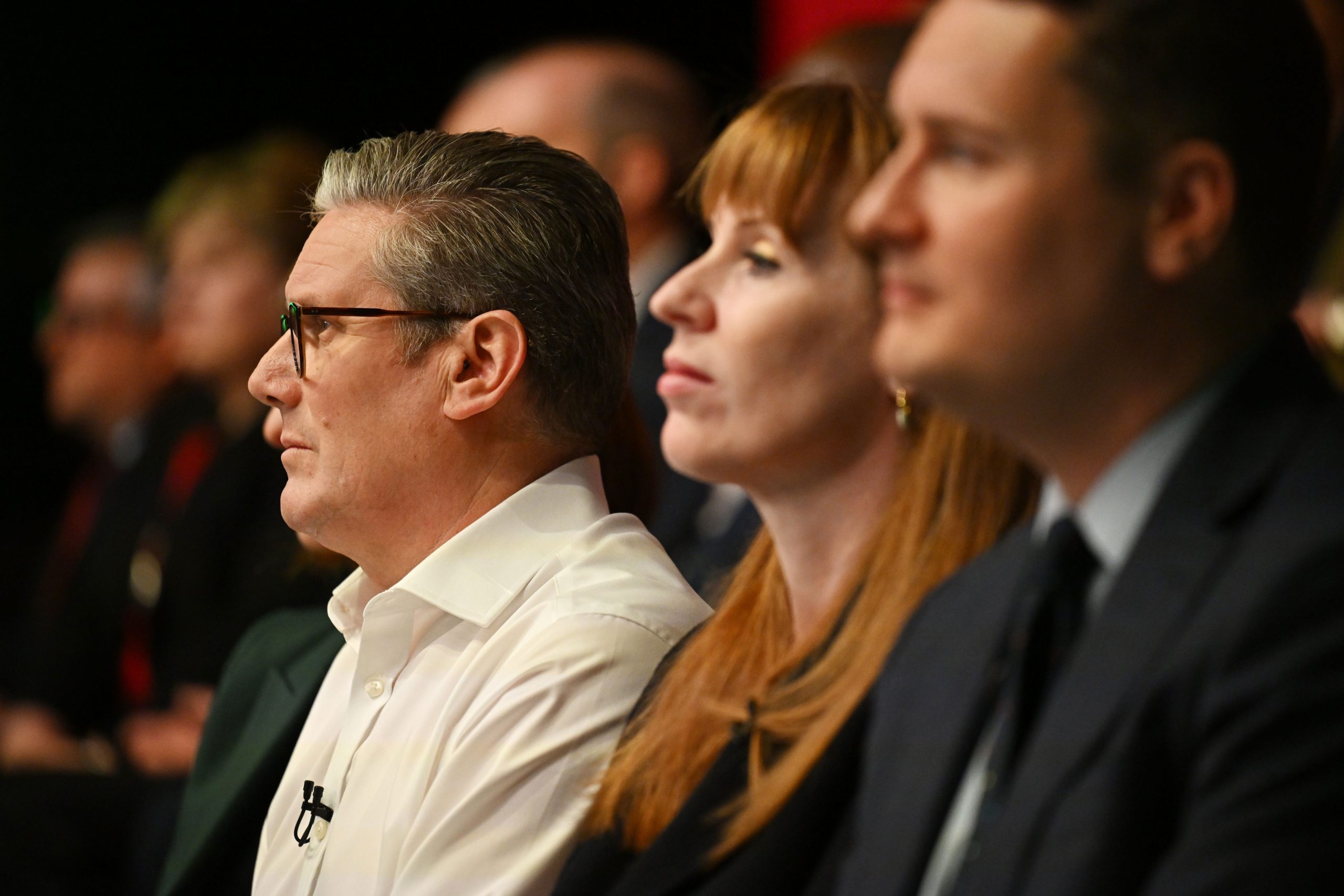
Angela Rayner: As the former deputy leader, her influence remains potent. Insiders suggest that between Streeting and Rayner, the requisite 81 MPs to trigger a formal leadership contest could be gathered with relative ease if the “bloodletting” at the ballot box proves as severe as projected.
Learning from the Tory “Civil War”
Sir Keir Starmer’s primary rhetorical strategy has been to contrast his vision of a “national mission” with the chaotic final years of the Conservative government. Between 2019 and 2022, the UK witnessed the swift ousting of three Conservative Prime Ministers, a period of instability that Starmer characterizes as a “relentless descent into political infighting.”
In a recent op-ed for The Observer*, the Prime Minister emphasized that the nation is at a crossroads. He argued that Labour must choose between the “politics of grievance” or a collective effort to address the structural issues facing the UK. By positioning himself as the adult in the room, Starmer hopes to convince his backbenchers that a leadership challenge would be a “reckless” move that destabilizes the country during a time of global economic fragility.
The Mandelson Factor and Electoral Woes
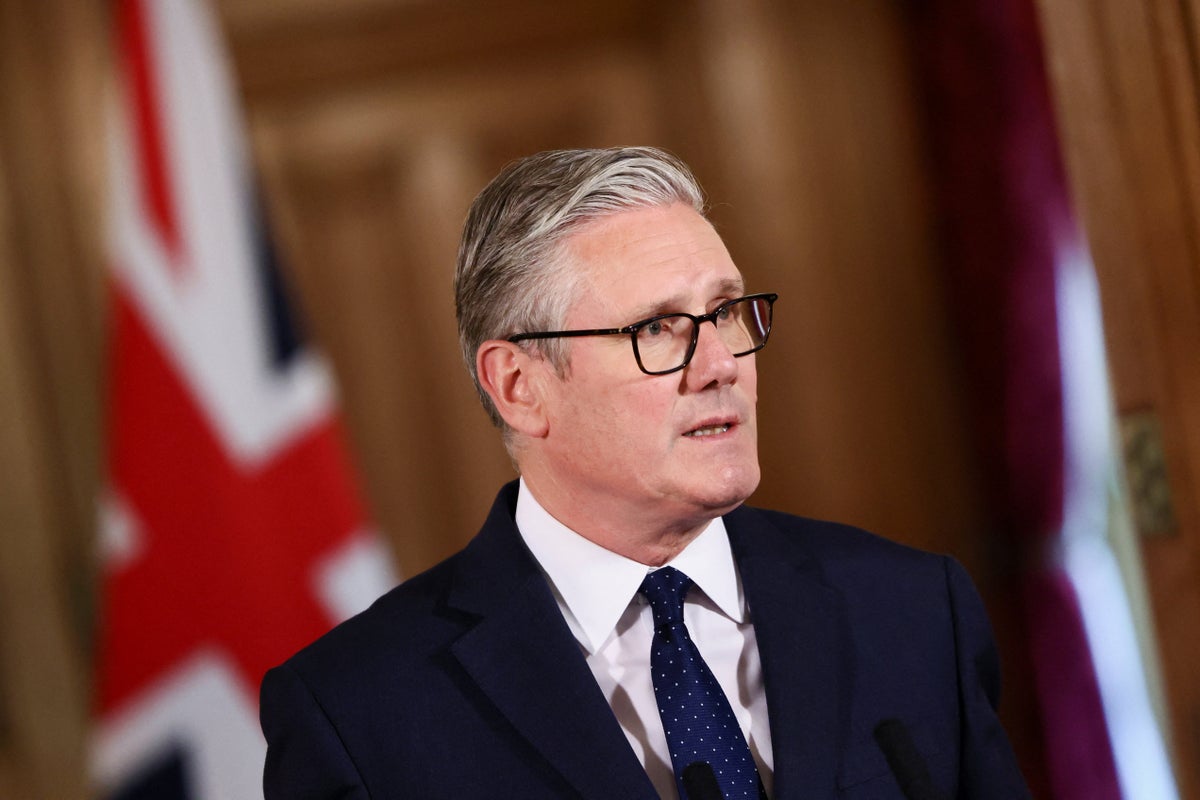
The pressure on the Prime Minister has been compounded by the fallout from the Lord Mandelson scandal, which has dominated headlines for weeks. This controversy, combined with a projected loss of over 1,850 council seats, has left the Labour leadership looking vulnerable.
Critics argue that Downing Street’s “toxic” operational culture has contributed to the crisis. Briefings aimed at silencing dissent have, by many accounts, backfired—creating a bunker mentality that has alienated key allies and emboldened potential challengers. As one political analyst noted, the more the PM fights to suppress rumors, the more he appears to be in a fight for his own survival rather than the nation’s.
Redefining the Economic Agenda
Despite the internal noise, Sir Keir remains committed to a platform of radical reform. His strategy for 2026 centers on:
- EU Engagement: The Prime Minister has doubled down on his plan to deepen economic ties with the European Union. He argues that the post-2016 reality of Brexit has damaged the UK economy and that “national interest” dictates a closer alignment on defense, security, and energy.
- Interventionist Governance: Starmer is pushing for an activist government that prioritizes infrastructure and long-term resilience over short-term political gains.
- The King’s Speech: The upcoming legislative agenda is expected to be a make-or-break moment for the government, serving as a platform to re-establish control and project strength to a skeptical public.
Analysis: Can Starmer Survive?
The situation is undeniably precarious. Historically, when a party begins to openly discuss leadership challenges, the “drip-feed” of negative briefings rarely stops until a change occurs or a decisive victory is achieved.
However, Starmer’s strength lies in his ability to appeal to the “national mission” narrative. By framing his critics as people who would prioritize their own ambition over the country’s recovery, he forces his rivals to defend their motives. The question remains: is the parliamentary Labour Party more afraid of losing the next general election under Starmer, or are they more afraid of the chaos a leadership vacuum would invite?
Conclusion
As the results of the local elections begin to filter in, the coming days will serve as a definitive test for the Labour leadership. Sir Keir Starmer is betting that the party will recognize the danger of repeating the Conservative Party’s recent history of self-destruction. Whether this plea for unity will be enough to stave off the ambitions of figures like Andy Burnham and Wes Streeting remains the most critical question in British politics today.
The path forward for the Prime Minister is narrow. He must deliver clear, tangible results through his “radical reform” agenda while simultaneously placating a restless party that is increasingly wary of the electoral consequences of the current status quo. In 2026, the battle for Downing Street is not just against the opposition—it is a battle for the soul and stability of the Labour Party itself.