New Forensic Evidence Links Press Dinner Shooting Suspect to Secret Service Agent Injury

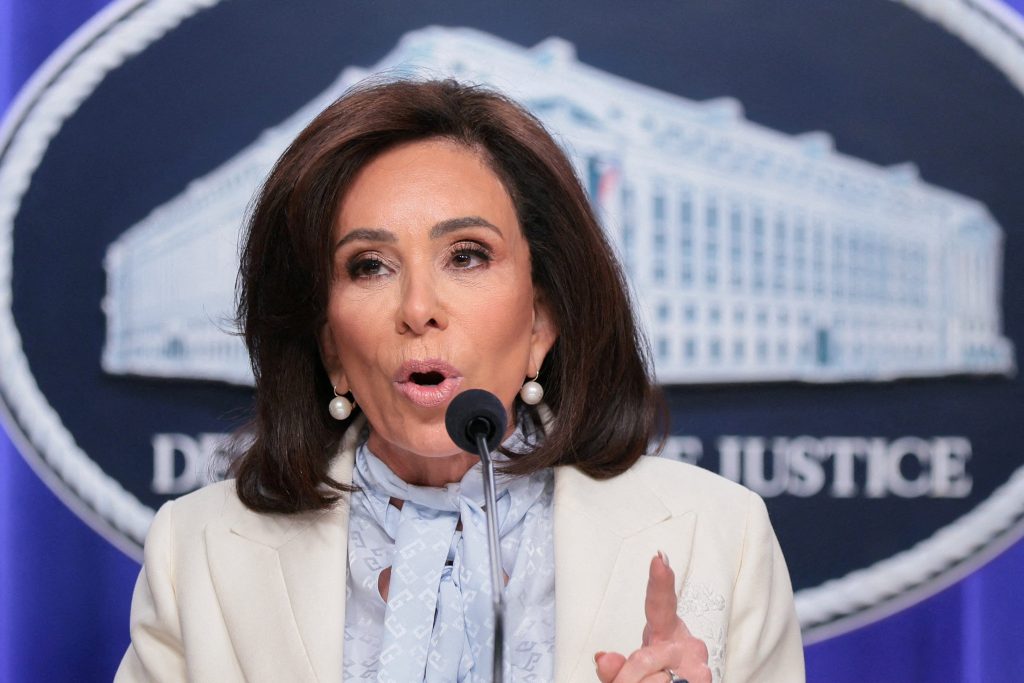
The investigation into the harrowing security breach at the 2026 White House Correspondents’ Association dinner has reached a significant turning point. U.S. Attorney for the District of Columbia Jeanine Pirro has publicly confirmed that ballistic evidence now definitively links the injuries sustained by a Secret Service agent to the firearm allegedly carried by the suspect, Cole Tomas Allen. This revelation marks a critical escalation in a case that has gripped the nation and raised profound questions regarding presidential security.
As the legal process unfolds, the intersection of forensic science, high-stakes litigation, and the rights of the accused continues to evolve. With the Department of Justice preparing to present the case to a grand jury, the narrative surrounding the attempted assassination of President Donald Trump is becoming increasingly focused on tangible, physical evidence.
The Forensic Breakthrough: Connecting the Buckshot
For days following the incident, the exact circumstances surrounding the injury of the Secret Service agent remained a subject of intense speculation. While initial reports suggested a violent confrontation, concrete proof that the agent was struck by the suspect’s weapon was lacking in early court filings.
U.S. Attorney Jeanine Pirro, speaking in a recent interview with CNN’s Jake Tapper, provided the clarity that investigators had been working to establish. According to Pirro, laboratory analysis of the crime scene has yielded a “smoking gun.”
A Critical Match
The forensic evidence centers on a specific piece of buckshot recovered from the scene. Pirro explained that investigators successfully matched a pellet extracted from the fiber of the Secret Service agent’s protective vest to the Mossberg pump-action shotgun confiscated from Cole Tomas Allen.
The Weapon: A Mossberg pump-action shotgun.
The Evidence: A specific buckshot pellet recovered from the agent’s vest.
- The Conclusion: The ballistics match is considered definitive, effectively closing the gap between the suspect’s actions and the physical harm caused to the federal officer.
This revelation is pivotal. It shifts the legal burden from circumstantial accounts of the event to empirical data that will be central to the upcoming grand jury proceedings.
The Legal Landscape: Beyond the Initial Charges
The confirmation that the suspect actively shot a federal agent significantly alters the potential trajectory of the prosecution. Cole Tomas Allen currently faces severe charges, including attempted assassination and multiple firearm-related offenses. However, the confirmed shooting of an officer provides the DOJ with a stronger foundation to pursue additional, more severe indictments.
The Role of the Grand Jury
With a grand jury hearing scheduled for May 8, prosecutors are expected to leverage this new forensic evidence to solidify their case. While the initial filings were broad, the inclusion of the ballistics report suggests that the government is building an airtight case designed to withstand the scrutiny of a jury trial.
Legal analysts point out that while the government previously lacked “conclusive proof” to formally allege the shooting in early motions, the current evidence removes any ambiguity. This shift is likely to influence the defense’s strategy, as they can no longer argue that the agent’s injury was the result of crossfire or incidental contact.
Controversy Over Incarceration Conditions
While the prosecution builds its case, the defense team for Cole Tomas Allen has initiated a parallel legal battle regarding the conditions of his confinement at the Washington, DC jail. The defense has filed an emergency motion seeking to remove Allen from “suicide precautions,” a measure they argue is both unnecessary and detrimental to his ability to participate in his own defense.
The Defense’s Argument
Lawyers for the defendant claim that the “suicide watch” protocols have been applied arbitrarily. According to their filing:
- Lack of Justification: A Department of Corrections intake team initially found no suicide risks, yet a nurse later mandated the precautions.
- Excessive Restrictions: The protocols severely limit Allen’s contact with the outside world, restricting his communications to legal counsel only.
- Hinderance to Justice: The defense contends that these conditions, which restrict the defendant to his cell except for legal visits and escorted showers, violate his rights and prevent him from assisting in the gathering of evidence for his defense.
A court hearing is currently scheduled for May 4 to address these concerns. The outcome of this motion will be a significant test of the balance between institutional security and the constitutional rights of a high-profile defendant.
Looking Ahead: The Path to Trial
The attempted assassination of a sitting president is a rare and destabilizing event in American history. As we move further into 2026, the investigation into the White House Correspondents’ Association dinner shooting will remain at the forefront of national discourse.
The forensic link established by U.S. Attorney Pirro provides the justice system with the tools it needs to address the gravity of the attack. However, the legal process is far from over. As the grand jury prepares to convene and the court reviews the conditions of Allen’s detention, the public is reminded of the delicate nature of security in the nation’s capital and the rigorous processes required to ensure justice is served.
Whether the new evidence will lead to a swift resolution or a prolonged legal battle remains to be seen. For now, the focus remains on the integrity of the investigation and the upcoming proceedings that will determine the fate of the man accused of this brazen act.