End of an Era: Spirit Airlines Pilots Bid Emotional Farewell as Carrier Ceases Operations

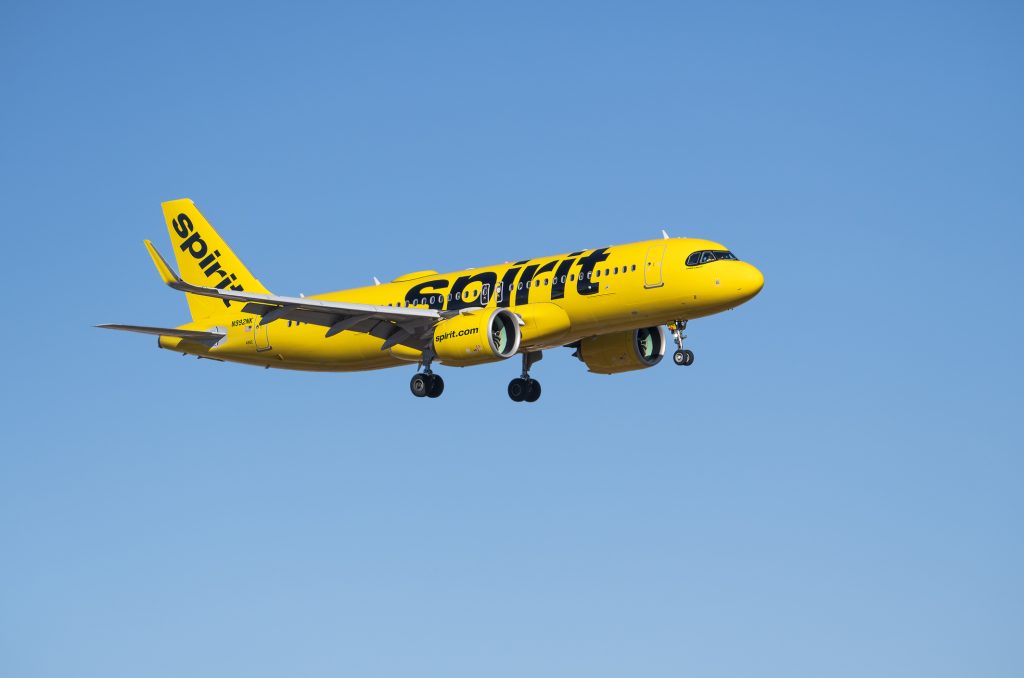
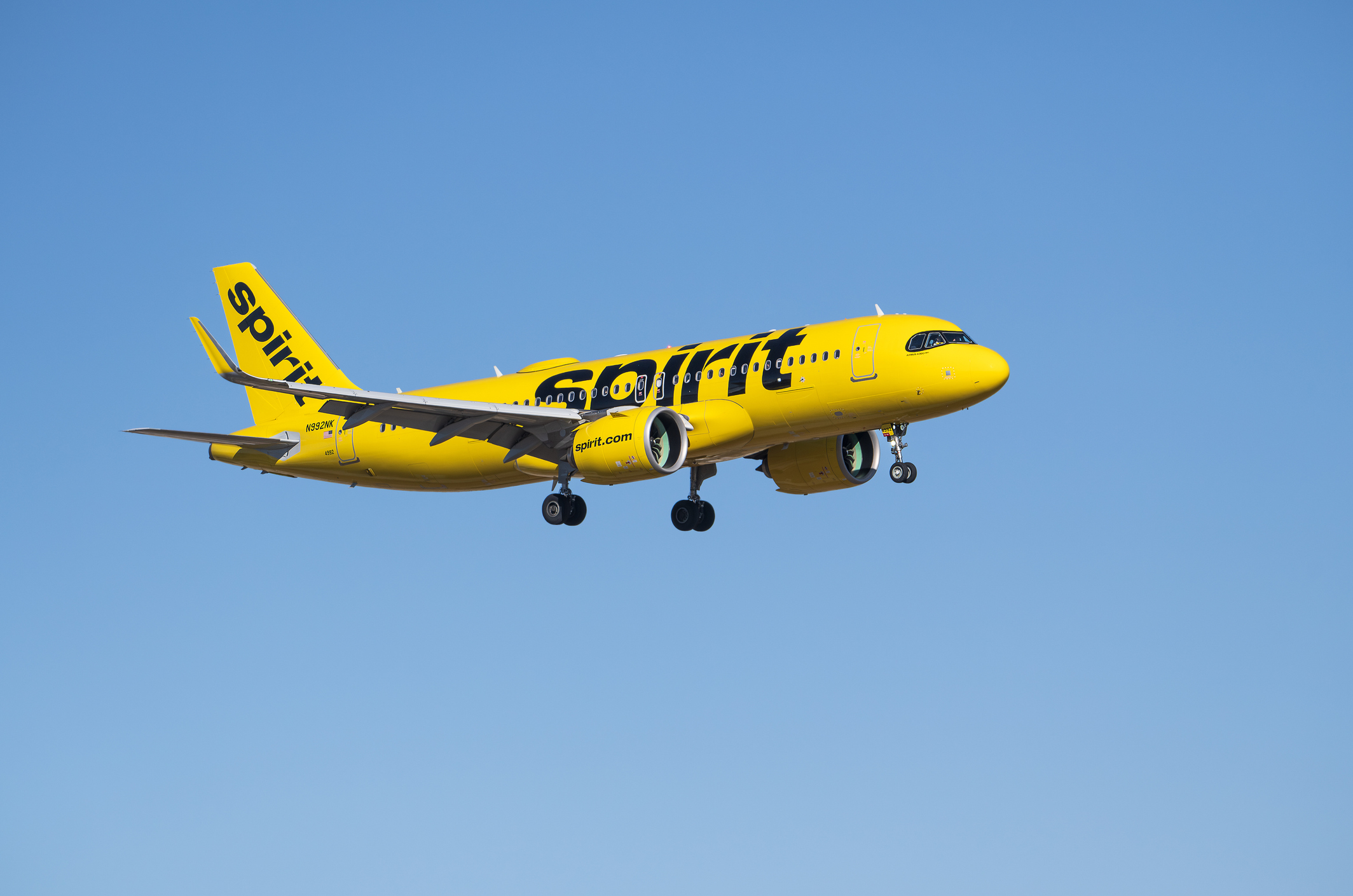
The aviation industry witnessed a somber milestone this week as Spirit Airlines officially ceased all operations, marking the end of a 43-year legacy. For millions of travelers, the “yellow jets” were a staple of affordable domestic transit. However, following a failed bid for government intervention and the crushing weight of global economic instability, the airline’s journey came to an abrupt, heart-wrenching conclusion in the early hours of May 2, 2026.
As the news broke, the most poignant moments did not come from corporate press releases, but from the flight decks of the final aircraft in the air. Pilots across the country delivered tearful, impromptu announcements to passengers, signaling a transition from decades of service to an uncertain future.
The Final Announcement: A Voice Breaking Under Pressure
The shutdown was executed with immediate effect at 3 a.m. Eastern Time. For many crews, the realization that their flight would be their last hit them mid-air. In one widely circulated recording, a veteran pilot struggled to maintain his composure while addressing his cabin.
“I’ve made a lot of friends along the way,” the pilot noted, his voice trembling. “I’ve had some great conversations with many of you over these 14 years. I don’t remember the bad times, only the good ones.” This sentiment resonated across social media, where thousands of employees began sharing their own stories of camaraderie, lifelong friendships, and the unique culture that defined Spirit Airlines since its rebranding in 1992.
Another pilot, landing in Dallas shortly after the confirmation of the shutdown, offered a final blessing to his passengers. Recalling the airline’s roots as a charter service in 1983, he reflected on the 43-year history of the company. His final words—”Onward and upward, right? God bless you all”—served as a bittersweet epitaph for a carrier that once promised to make the skies accessible to everyone.
The Economic Storm: Why Spirit Airlines Collapsed
The collapse of Spirit Airlines was not an overnight event, but rather the result of a “perfect storm” of financial pressures that proved insurmountable. Despite multiple attempts at restructuring and two previous bankruptcy proceedings, the airline could not overcome the volatility of the mid-2020s.
The Fuel Price Crisis
The primary catalyst for the final shutdown was the surging cost of jet fuel. Linked directly to the ongoing conflict in Iran, global energy prices saw a sustained, sharp increase that decimated the thin margins of ultra-low-cost carriers.
Operational Expense: As fuel costs skyrocketed, Spirit’s business model—which relies on high-volume routes and tight budget margins—became unsustainable.
Liquidity Crisis: CEO Dave Davis noted that the airline required hundreds of millions in additional liquidity to continue operations, capital that simply could not be secured.
- Failed Bailout: Despite intense lobbying for a $500 million government rescue package, the administration declined to intervene, leaving the carrier with no choice but an “orderly wind-down.”
Disrupted Travel and the “Retirement Flight” That Never Happened
The abrupt nature of the closure left tens of thousands of passengers stranded, leading to chaos at major hubs across the United States. However, amid the logistical nightmare, there were moments of human grace.
Perhaps the most touching story involves Captain Jon Jackson, who was scheduled to pilot his final flight before retirement on the day the airline collapsed. Instead of completing his career at the helm of a Spirit jet, Jackson was forced to book a seat as a passenger on a Southwest Airlines flight to get home.
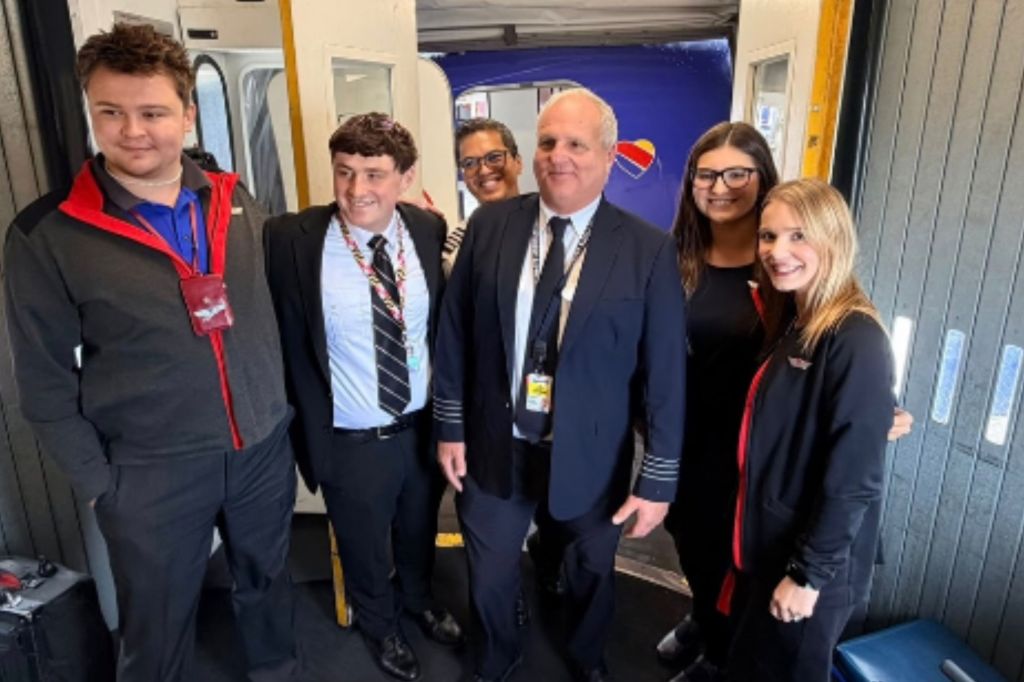
When the Southwest crew learned of his situation, they coordinated an impromptu tribute. Upon landing in Baltimore, Captain Jackson was greeted by a water cannon salute from the airport fire department and a celebratory reception from ground staff. It was a rare moment of solidarity in an industry defined by competition, proving that while a brand may vanish, the aviation community remains tightly knit.
The Human Cost: Employees Reflect on a Lost Chapter
For the 17,000 employees of Spirit Airlines, the shutdown represents more than just a job loss; it is the end of a community. Platforms like Instagram and LinkedIn have been flooded with tributes from flight attendants, ground crew, and mechanics.
“This isn’t the ending I imagined,” wrote flight attendant Temptest Nicole. “But it’s a chapter I’ll always be proud of.” Another staff member echoed this, requesting that the public keep the thousands of displaced workers in their thoughts during this difficult transition.
The loss of Spirit is felt deeply because it was a pioneer. By stripping away the “frills” of traditional air travel, it forced the entire industry to lower prices, effectively democratizing air travel for a generation of budget-conscious Americans.
What’s Next for the Industry?
As the aviation sector digests the news of Spirit’s disappearance, competitors are already moving to fill the void. Major carriers are expected to absorb many of the high-volume routes previously served by the budget giant. However, experts warn that the loss of Spirit’s ultra-low-cost model could lead to higher ticket prices for consumers in the near term.
The collapse serves as a stark reminder of the fragility of the current economic climate. With fuel prices remaining high and global tensions showing few signs of immediate resolution, other carriers are likely to keep a close eye on their own operational costs to avoid a similar fate.
Summary of the Spirit Airlines Shutdown:
- Date of Cessation: May 2, 2026, at 03:00 EST.
- Primary Cause: Unprecedented jet fuel costs and failed $500M bailout.
- Impact: 17,000 employees displaced; thousands of flights canceled.
- Legacy: A 43-year history of reshaping the U.S. discount travel market.
The “yellow jets” may no longer be in the sky, but the impact of their service will be felt by the passengers who were able to see the world on a budget and the employees who built a culture of resilience. As the industry moves forward, the memory of these final, emotional farewells will remain a poignant symbol of the end of a defining era in American aviation.