Beyond The Bay: The Quest to Crown Canada’s Oldest Surviving Company

For over three centuries, the Hudson’s Bay Company (HBC) stood as a monolith in the Canadian corporate landscape. Founded in 1670, it wasn’t just a store; it was a foundational pillar of the nation itself. However, following its liquidation in 2025, a massive void has been left in the history books. As we navigate 2026, the question on the minds of historians, economists, and curious Canadians alike is: Who now holds the title of Canada’s oldest company?
Determining the answer is far more complex than simply checking a founding date. Many of the country’s earliest businesses have undergone radical transformations—surviving through mergers, acquisitions by foreign entities, bankruptcy, and rebranding. To find the true successor to the throne, we must look at the pioneers of the 18th century.
The Challenges of Corporate Genealogy
Defining “oldest” is a tricky business. Does a company count if it stopped operating for a decade before being revived by a new owner? What happens if a firm is absorbed into a conglomerate?
Most of the contenders listed below emerged in the 1700s, an era where record-keeping was inconsistent and business structures were fluid. While the Hudson’s Bay Company had the luxury of a Royal Charter, these other entities often started as modest print shops, local breweries, or small-scale trading posts.
The Contenders for the Title
1. The Halifax Gazette (1752)
Often cited as the earliest contender, the Halifax Gazette began its journey in March 1752. Founded by John Bushell, the publication was intended to bring structure and news to the burgeoning community of Halifax.
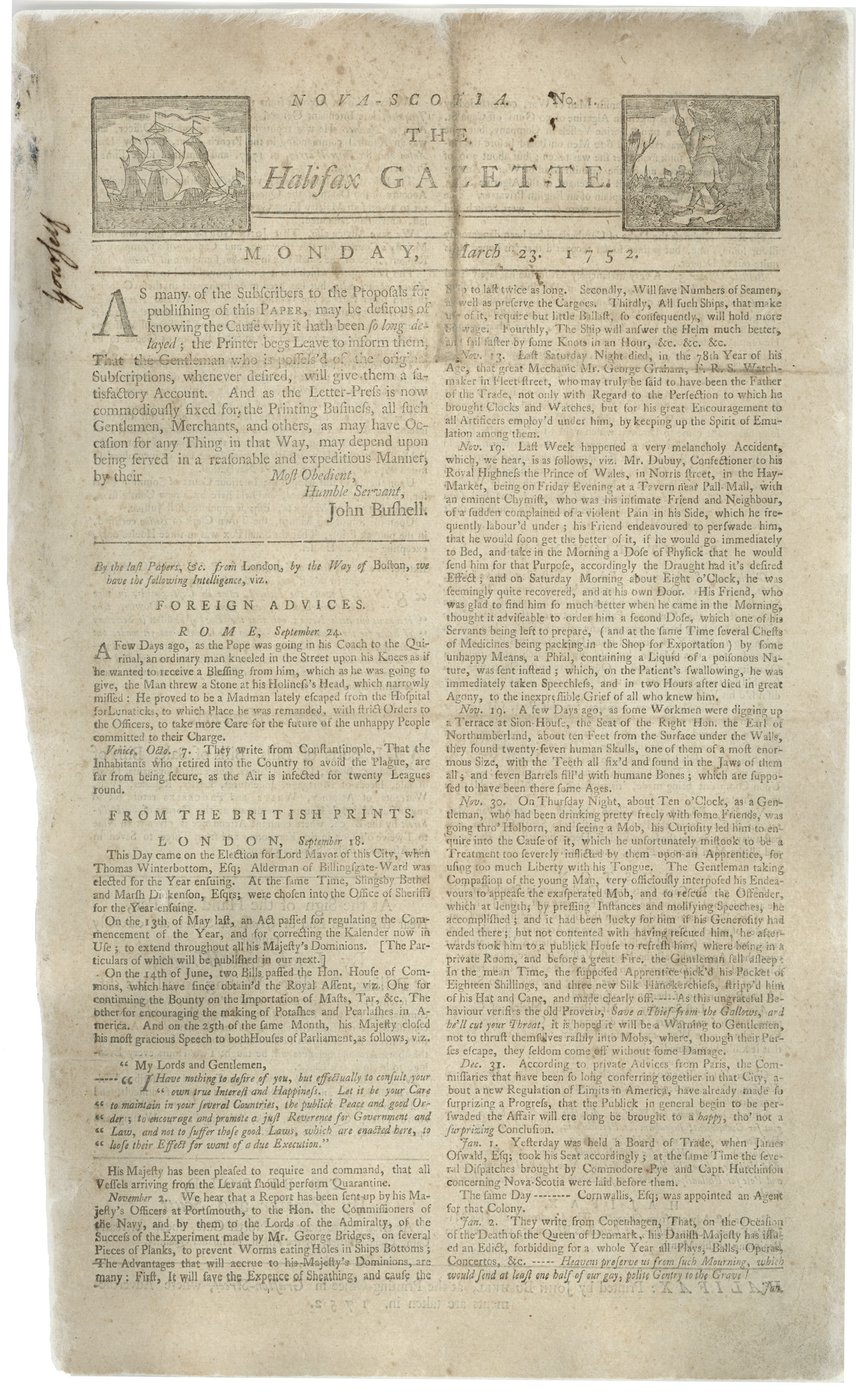
The paper evolved significantly over the centuries. By 1867, it transformed into the Nova Scotia Royal Gazette, serving as the official government vehicle for legislation. Because it remains in operation as a state-sanctioned publication, it holds a strong claim to the title of the oldest continuously serving business entity in Canada.
2. The Quebec Chronicle-Telegraph (1764)
If you prefer your “oldest company” to be a commercial enterprise rather than a government organ, look no further than the Quebec Chronicle-Telegraph. Founded in June 1764 as the Quebec Gazette by William Brown and Thomas Gilmore, it occupies a unique spot in North American history.
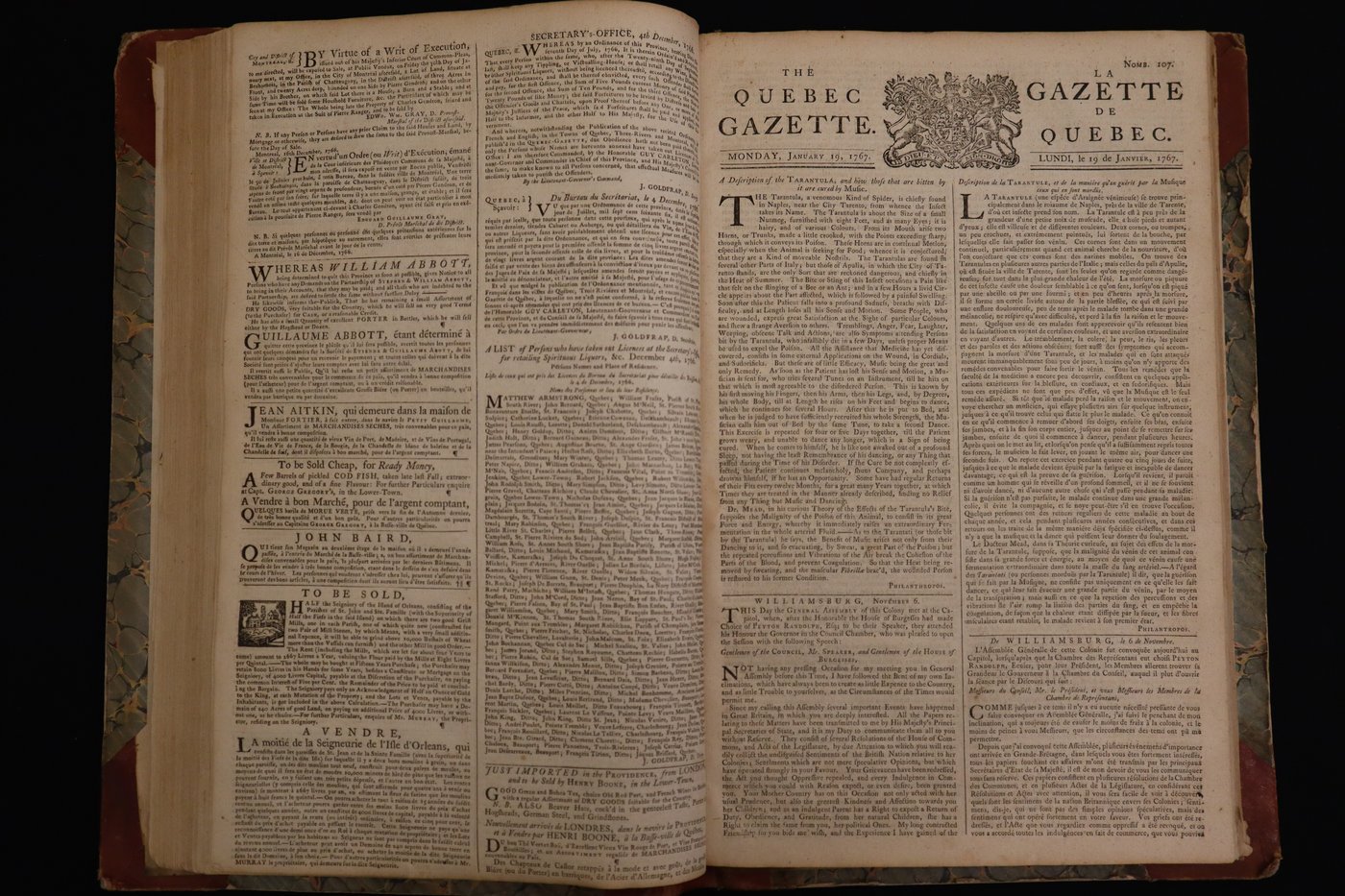
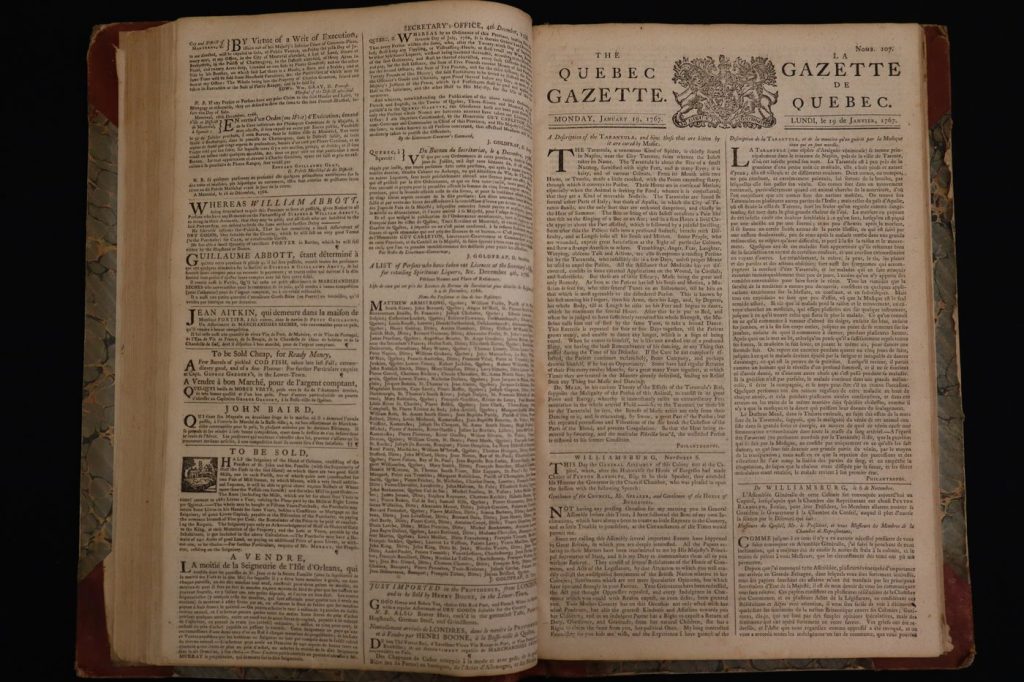
The paper survived the 1765 Stamp Act and the American Revolutionary siege of the 1770s. Despite several mergers—most notably with the Morning Chronicle and the Daily Telegraph—it maintains that it is the oldest newspaper in North America. Its weekly publication cycle in 2026 continues to bridge the gap between colonial history and modern journalism.
3. The Montreal Gazette (1778)
Trailing slightly behind the Quebec Chronicle-Telegraph, the Montreal Gazette is a household name for many Canadians. Its founder, Fleury Mesplet, was a revolutionary printer whose work was so provocative it landed him in jail for three years starting in 1779.
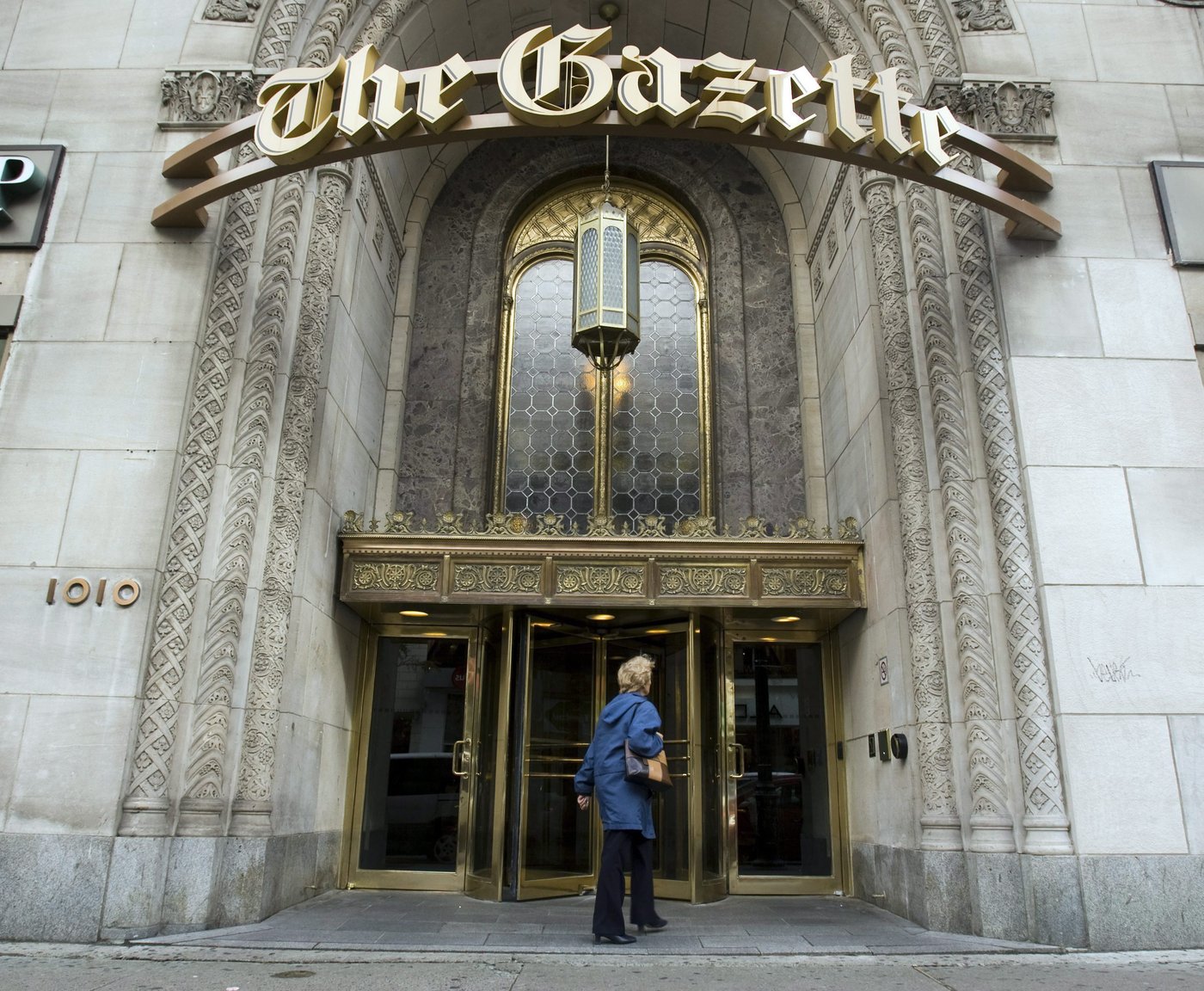
After a brief hiatus, the paper was revived in 1785. While it has passed through several hands—and is now part of the Postmedia conglomerate—the Montreal Gazette remains a dominant voice in Quebec media, proving that even a publication born from controversy can stand the test of time.
4. The North West Co. (1779)
The North West Co. represents the spirit of competition that defined early Canada. Originally formed by Highland Scots in Montreal to challenge the HBC, the two rivals eventually merged in 1821.
The company saw a dramatic rebirth in 1987 when an investor group—backed by its own employees—acquired the northern stores division of the HBC. By relaunching in the 1990s, they successfully reclaimed their identity. Today, they operate under various banners, including NorthMart and Giant Tiger, serving remote and northern communities with essential goods.
5. Baine Johnston Corp. (1780)
Based in St. John’s, Newfoundland, the Baine Johnston Corp. has roots that arguably stretch back to the 18th-century fishing trade. While specific documentation from 1780 is difficult to verify, the company’s lineage is linked to Scottish trading firms that were active in the region by the early 1800s.
Having transitioned from the fishing industry to commercial real estate and retail, this company is a prime example of how adaptation is the secret to long-term survival in the Canadian market.
6. Molson Coors (1786)
Perhaps the most famous name on this list, Molson Coors began as a modest brewery on the banks of the St. Lawrence River. John Molson, an English immigrant, founded the company with a vision that went beyond beer—the company was historically involved in banking and lumber as well.
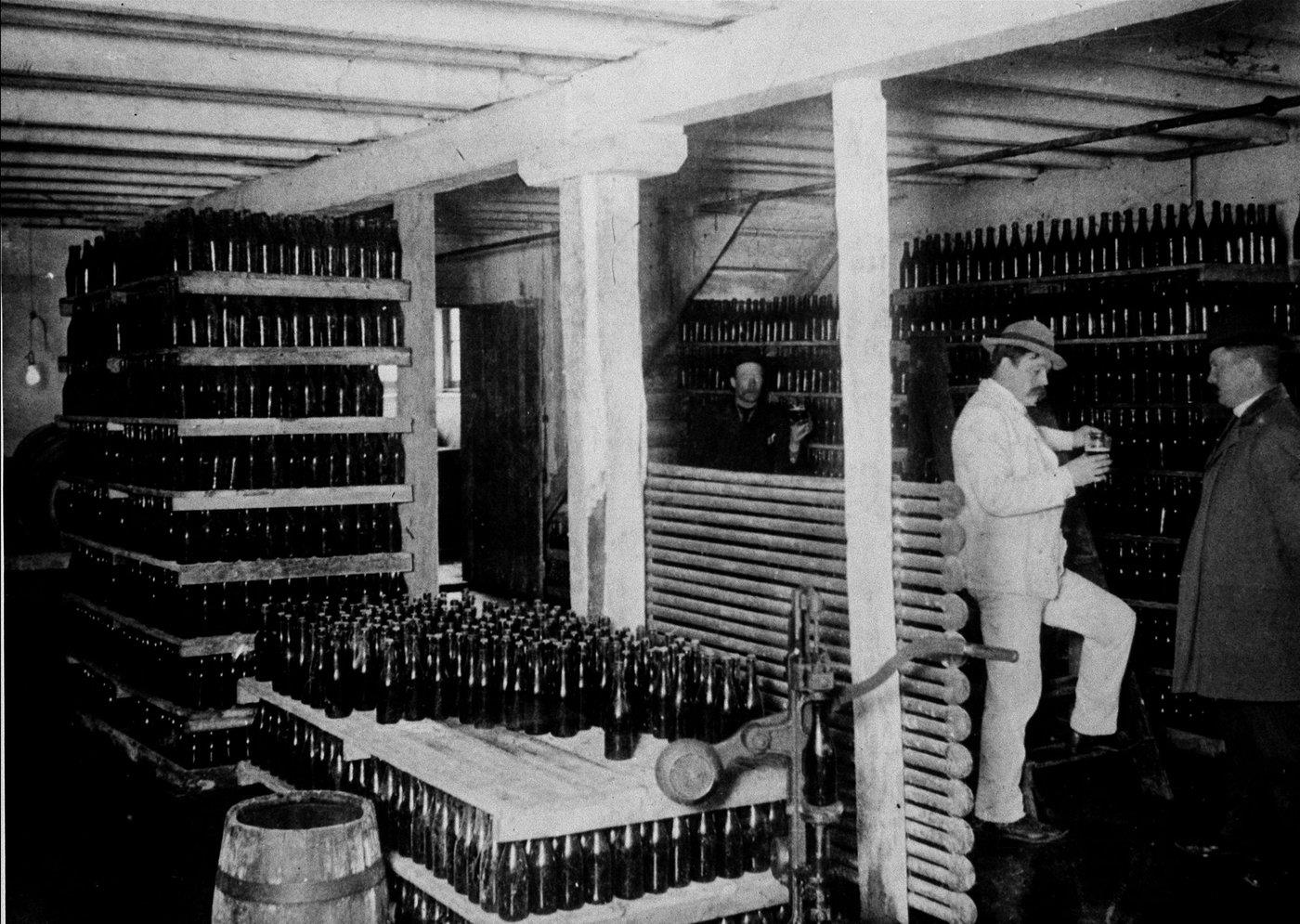
The 2005 merger with the American giant Coors changed the company’s global footprint, but its Canadian roots remain deep. Despite the international scale of its operations today, the Molson name remains synonymous with Canadian heritage.
7. Stelco (1790)
Stelco (The Steel Co. of Canada) rounds out our list. While the modern corporation resulted from a 20th-century amalgamation, its DNA traces back to a nail plant established by John Bigelow in the 1790s.

Stelco has seen a tumultuous history, including ownership by U.S. Steel and a 2024 acquisition by Cleveland-Cliffs. Despite these ownership shifts, the company continues to be a cornerstone of Canadian industrial manufacturing, proving that even in the age of digital transformation, physical infrastructure remains a vital component of the economy.
Conclusion: Why the Title Matters
The collapse of the Hudson’s Bay Company in 2025 marked the end of an era, but it didn’t end Canada’s corporate history. Whether you look at the Halifax Gazette for its government longevity, or Molson Coors for its commercial endurance, these companies represent the resilience required to survive in a rapidly changing world.
While the “oldest” crown is technically up for debate, the real story is one of evolution. These organizations have survived by pivoting, merging, and adapting to the needs of each generation. As we look toward the future, these historic brands continue to shape the Canadian identity, proving that a company’s true age is measured not just in years, but in its ability to reinvent itself.