Navigating the Crisis: Why the US is Sanctioning Firms Paying Iran’s Strait of Hormuz Tolls

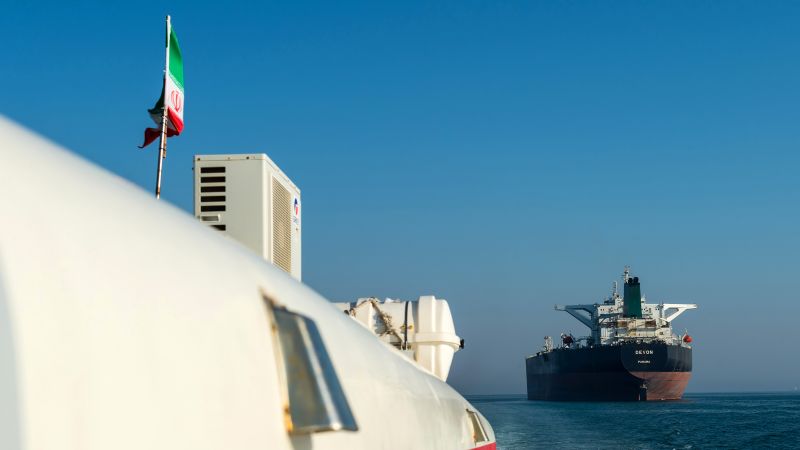
The global maritime industry is facing a period of unprecedented volatility in 2026. As the conflict between the United States and Iran continues to reshape the geopolitical landscape, the Strait of Hormuz—the world’s most critical oil artery—has become a flashpoint of economic warfare. In a move to tighten the financial vice on Tehran, the US Office of Foreign Assets Control (OFAC) has issued a stern warning: any shipping company paying tolls to Iranian entities for “safe passage” risks severe, potentially career-ending US sanctions.
This directive is not merely a diplomatic suggestion; it is a clear ultimatum. With the US naval blockade entering its second year, the stakes for global trade, energy security, and humanitarian aid delivery have never been higher.
<img alt="Trump administration sanctions major Iranian shipping network as it …" src="https://media.cnn.com/api/v1/images/stellar/prod/c-gettyimages-938201488.jpg?c=16×9&q=w800,cfill” style=”max-width:100%; height:auto; border-radius:8px; margin: 1rem 0;” />
The Financial Net Tightens: OFAC’s New Directive
The OFAC alert sent shockwaves through the maritime sector. By explicitly labeling payments to Iranian authorities as a violation of existing sanctions frameworks, the US Treasury is targeting the very mechanisms Iran uses to circumvent its isolation.
What Constitutes a Violation?
The warning is intentionally broad to prevent loopholes. It specifies that prohibited payments include:
Cash and Digital Assets: Cryptocurrency transactions or physical cash transfers to Iranian government entities.
Informal Swaps: Barter arrangements or non-monetary “in-kind” payments.
Charitable Donations: Any funds funneled through Iranian entities under the guise of humanitarian aid.
Third-Party Payments: Even payments made via Iranian embassies or proxies will trigger liability.
Non-US firms are not exempt from this reach. The US has made it clear that if a transaction forces a US entity—such as a global insurer, a bank, or a re-insurer—to process a payment that violates sanctions, the international shipping firm involved will face civil and criminal enforcement liability.
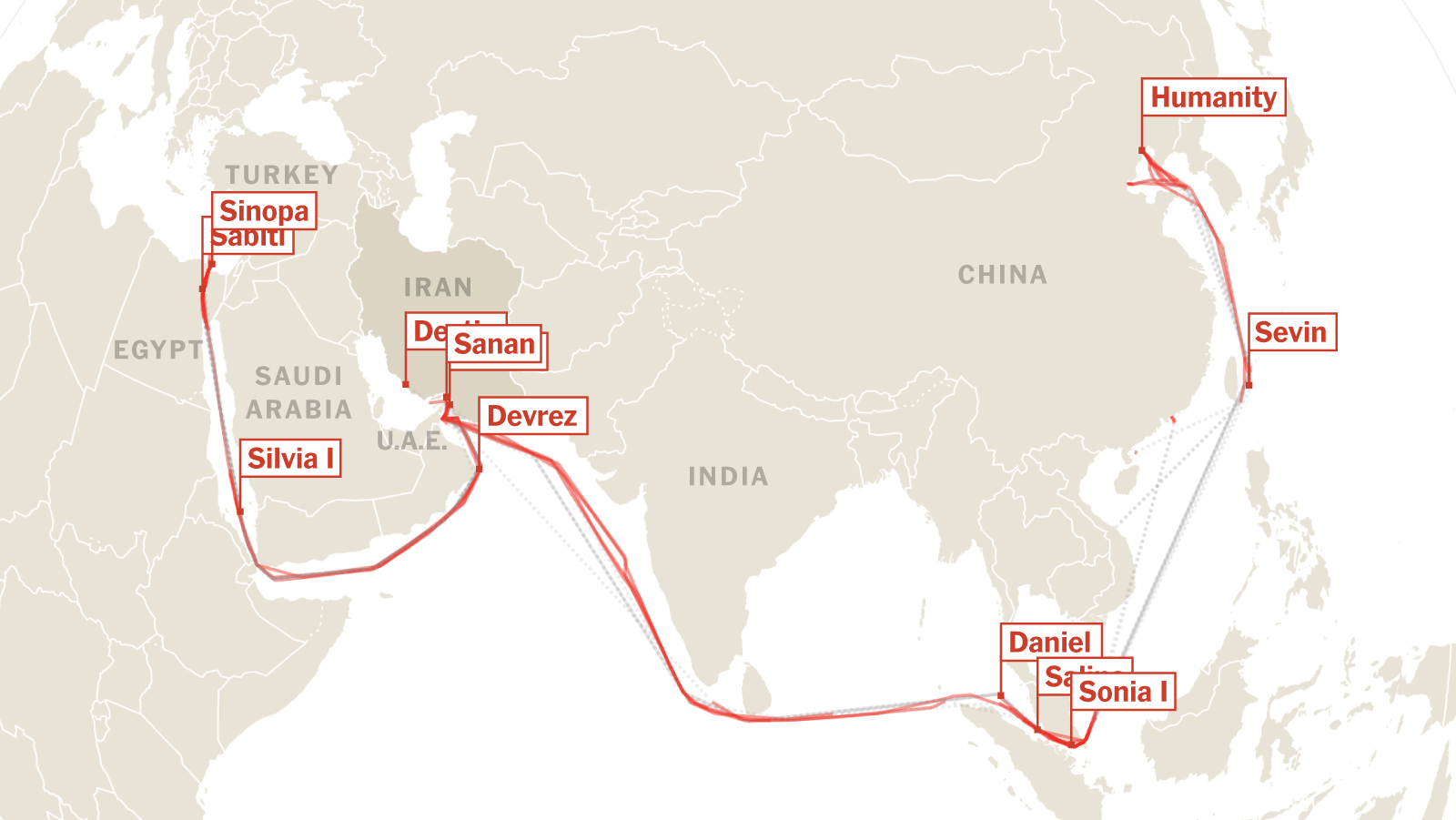
The Strait of Hormuz: A Strategic Standoff
The Strait of Hormuz has historically seen the passage of thousands of vessels monthly. However, since the conflict escalated in February 2025, traffic has plummeted to a mere fraction of its former capacity. The US naval blockade, enforced since mid-April, has essentially paralyzed the region’s commercial maritime traffic.
The “Piracy” Narrative vs. Sanctions Enforcement
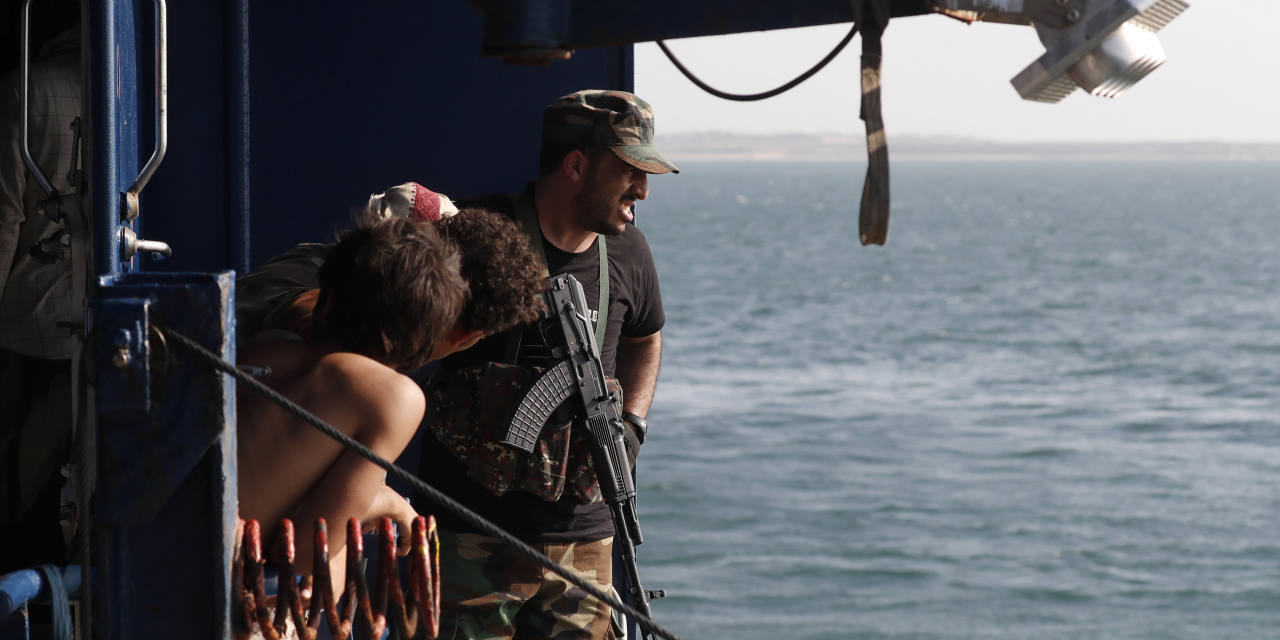
Tehran claims that the tolls it imposes on vessels are a sovereign right for navigating the strait. Iranian officials have even reported that the first toll revenues have reached the Central Bank of Iran. Conversely, the US maintains that these payments are illegal attempts to fund a regime that is actively targeting commercial shipping.
President Trump’s administration has characterized the Iranian toll system as an attempt to evade the pressure of the blockade. With 45 commercial ships already turned away by US Central Command (Centcom), it is clear that Washington intends to maintain a “zero-tolerance” policy regarding financial interactions with Tehran.
Humanitarian Fallout and Global Economic Impact
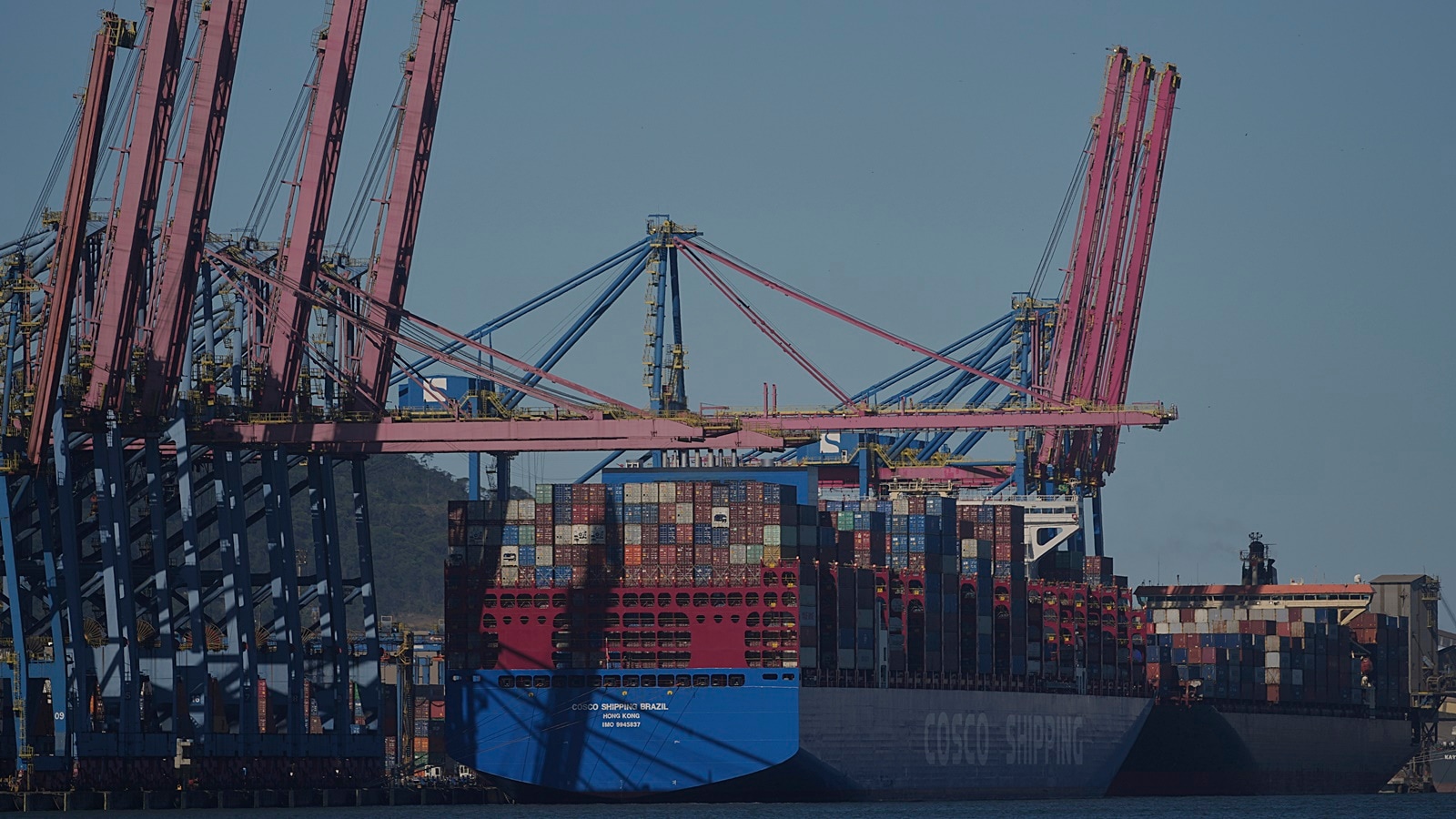
The closure of this vital maritime corridor has implications that stretch far beyond the oil markets. The UNHCR has reported significant disruptions in the delivery of humanitarian aid, particularly to conflict-ridden nations like Sudan.
Increased Transit Times: Rerouting vessels around the Cape of Good Hope adds up to 25 days to delivery schedules.
Surging Operational Costs: Fuel and insurance premiums have skyrocketed, forcing humanitarian agencies to rely on more expensive land corridors.
- Supply Chain Fragility: The uncertainty regarding the status of the strait has created a ripple effect, driving up the cost of food, medicine, and critical technology globally.
The humanitarian impact is disproportionately felt by the most vulnerable populations. As the blockade persists, the ability of international organizations to provide life-saving assistance is being severely constrained by the rising costs of logistics.
The Future of the US-Iran Ceasefire
Despite the ongoing naval tensions, a fragile ceasefire has been in place since April 8. However, the path to a long-term resolution remains blocked. Iran’s recent peace proposals have been met with skepticism from the White House. President Trump has signaled that he is not currently satisfied with the terms offered by the new Iranian leadership, following the transition of power to Mojtaba Khamenei.
Why a Diplomatic Breakthrough Remains Elusive
- Fragmented Leadership: Decision-making in Tehran appears less centralized than in the pre-war era, complicating the negotiation process.
- Uncompromising Demands: The US administration remains firm on its stance regarding Iran’s nuclear ambitions and its regional military activities.
- Military Pressure: The US continues to weigh options ranging from total economic strangulation to further military strikes, keeping the pressure on the regime.
As of mid-2026, the situation remains a high-stakes game of attrition. Shipping companies are caught in the middle, forced to choose between the risk of US sanctions and the dangers of navigating a contested, volatile waterway. For the global economy, the message is clear: the era of “business as usual” in the Strait of Hormuz is over.
Conclusion
The US warning to shipping firms is a pivotal moment in the ongoing crisis. By effectively criminalizing the payment of tolls, the US is attempting to dismantle the last remaining financial lifelines of the Iranian regime. While the strategy aims to force a surrender or a favorable deal, the collateral damage to global supply chains and humanitarian aid efforts is becoming increasingly difficult to ignore. As the world watches, the maritime industry remains on high alert, navigating the treacherous waters of 2026 with caution and trepidation.