Beyond the EPC Summit: Why Mark Carney Must Deepen Canada’s Caucasus Strategy

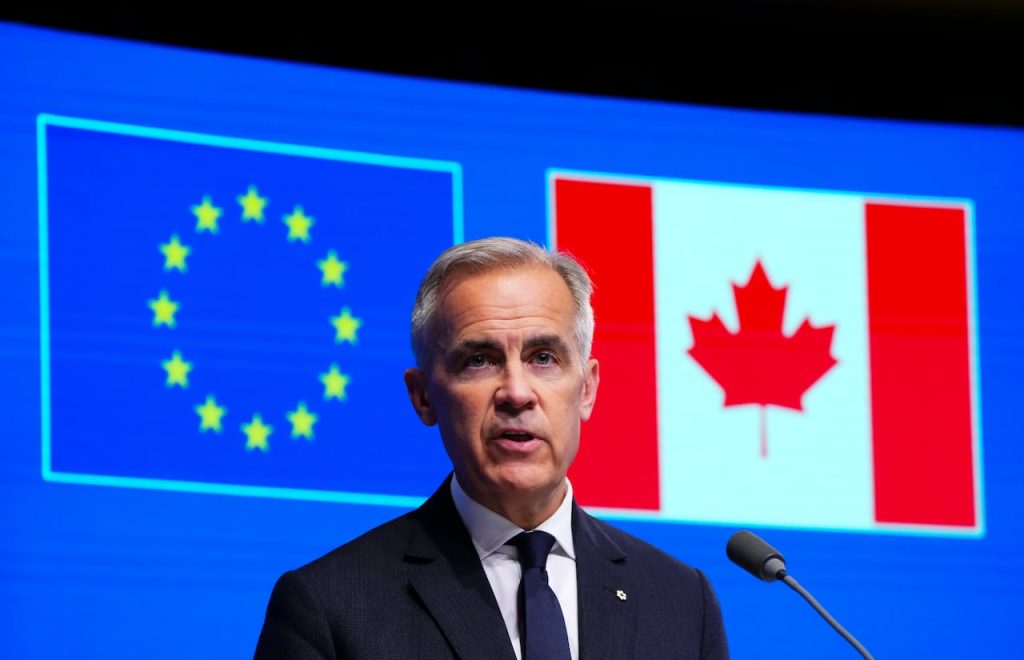
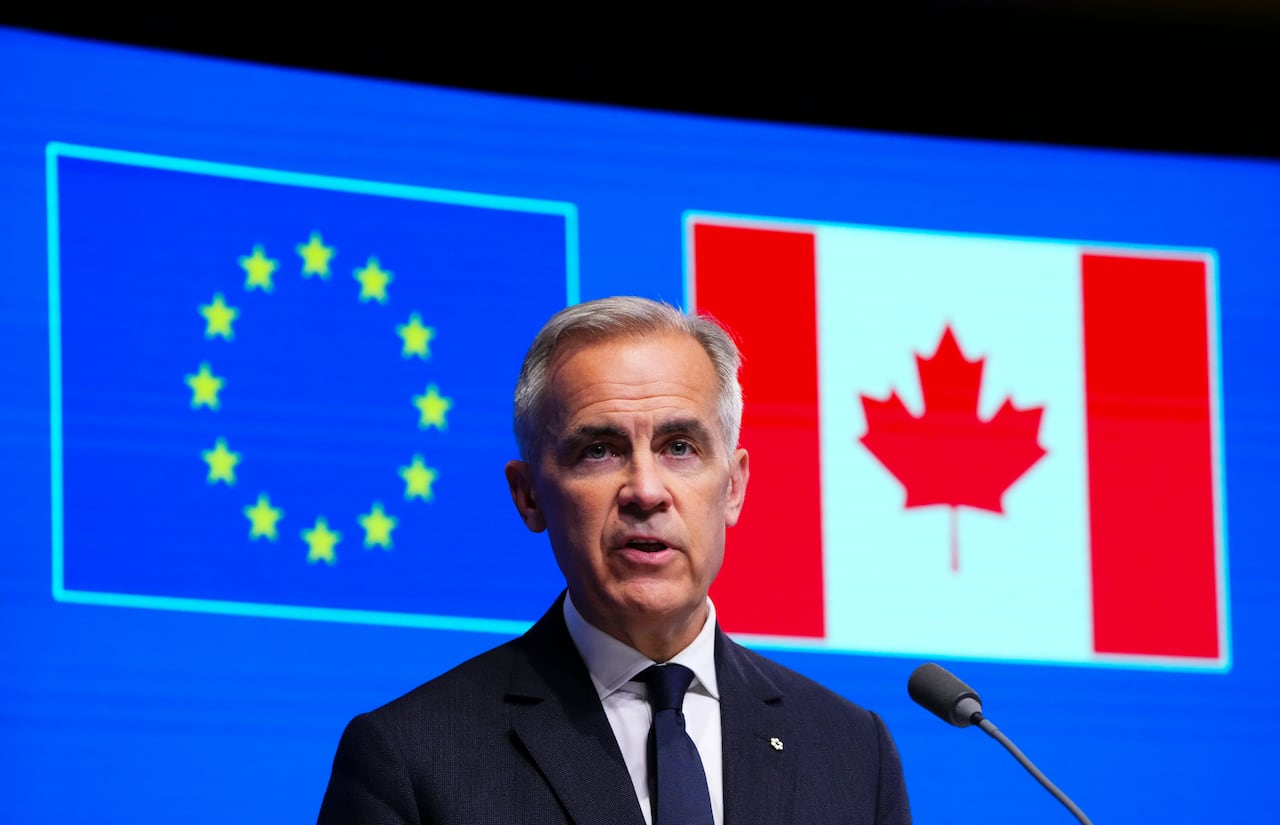
In a significant move for Canadian foreign policy, Prime Minister Mark Carney has arrived in Yerevan, Armenia, marking a historic diplomatic milestone. As the first non-European leader invited as a guest of honor to the European Political Community (EPC) summit, Carney’s presence signals a bold pivot in Canada’s global engagement. While his primary agenda centers on reinforcing transatlantic security and bolstering support for Ukraine alongside European allies, experts are increasingly vocal about a secondary, equally vital opportunity: strengthening the bilateral relationship between Ottawa and Yerevan.
The Strategic Importance of Armenia’s Western Pivot
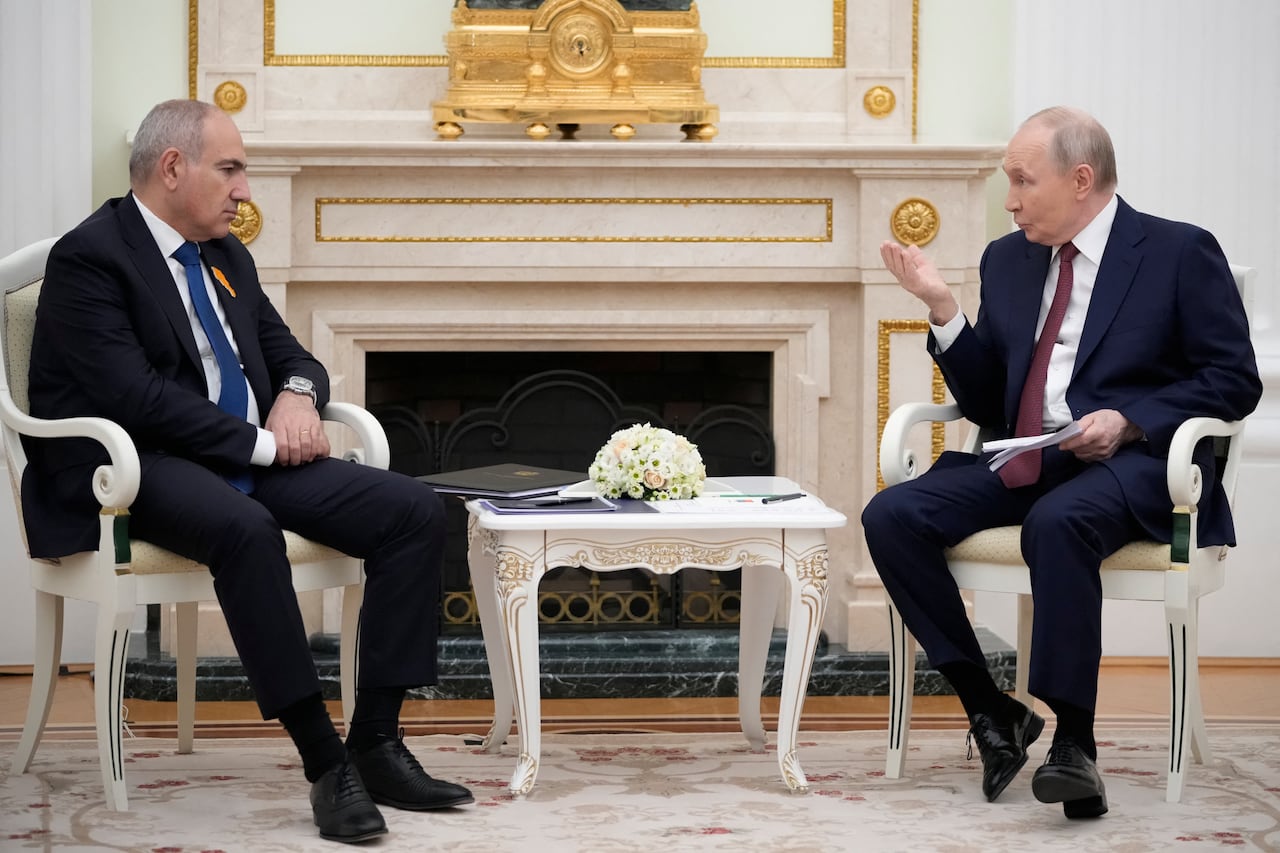
Since coming to power in 2018, Armenian Prime Minister Nikol Pashinyan has pursued a deliberate policy of moving Armenia away from the traditional Russian sphere of influence. This shift gained momentum following the 2020 Nagorno-Karabakh conflict and the 2023 displacement of over 120,000 ethnic Armenians. For Canada, this represents a unique geopolitical opening.
Experts argue that by fostering a closer partnership with Armenia, Canada can support a democratic, pro-Western nation navigating a volatile neighborhood. As Russia’s influence wanes in the Caucasus, Yerevan is actively seeking reliable allies who share its commitment to democratic values and international law.
Building on the Foundation of 2018
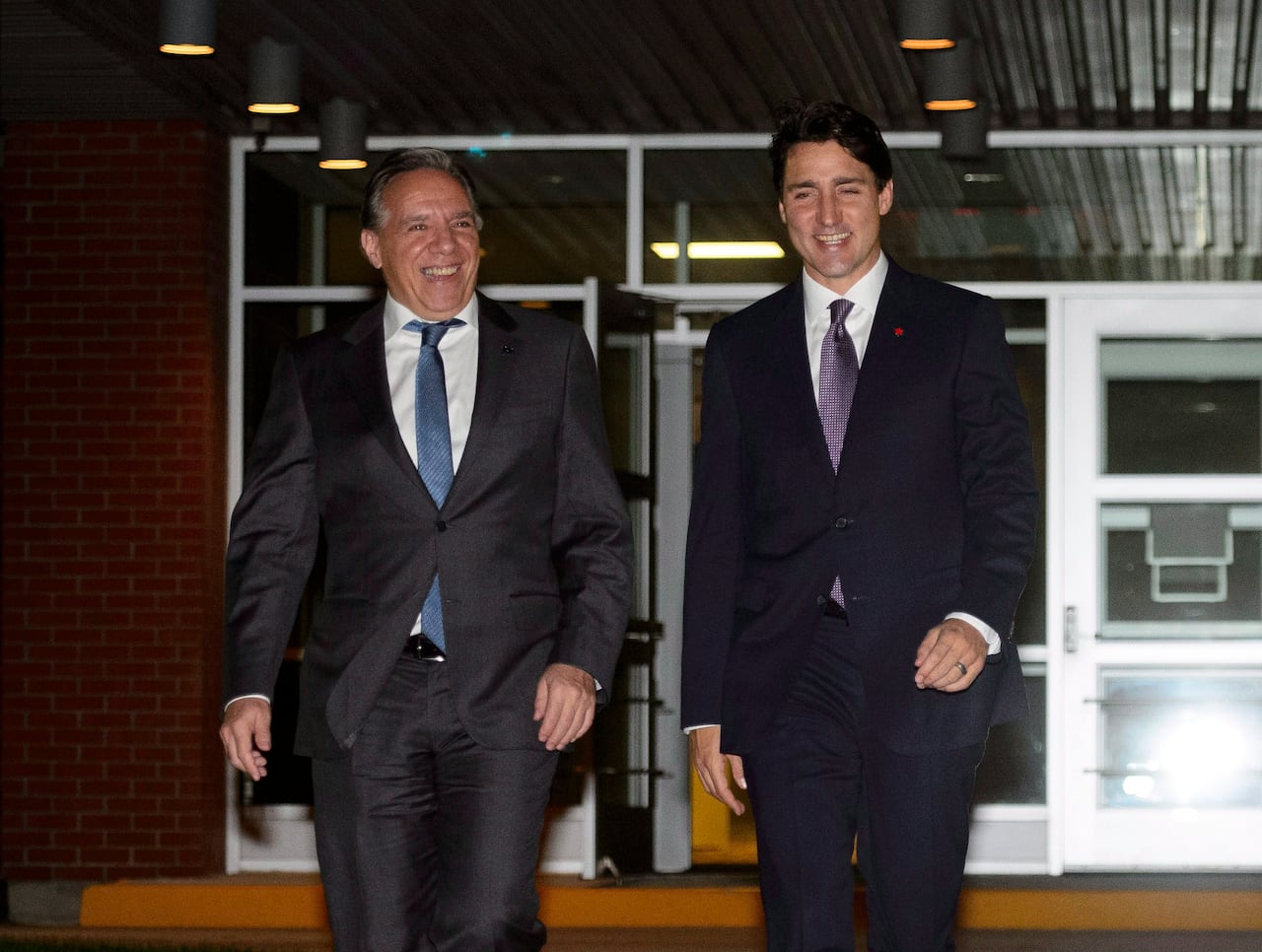
Canada’s interest in the Caucasus is not entirely new. Former Prime Minister Justin Trudeau’s 2018 visit to Yerevan for the Francophonie summit broke the ice, establishing a precedent for Canadian engagement. The subsequent opening of a Canadian embassy in Yerevan in 2023 provided the institutional infrastructure necessary to deepen these ties. Canada’s role as the first non-EU country to join the European Union Mission in Armenia (EUMA) further cements its status as a committed, proactive actor in regional stability.
Expert Recommendations: Moving Beyond Mere Presence
While the EPC summit provides a platform for high-level security discourse, regional analysts urge the Prime Minister to look beyond the immediate summit agenda. Professor Christopher Waters of the University of Windsor suggests that the conditions are ripe for a multi-layered expansion of ties, specifically in economic development and education.
1. Strengthening Military Education
Defense experts, including Professor Emeritus Alan Whitehorn, argue that Canada’s military education system serves as an ideal model for Armenia. Through NATO’s Defence Education Enhancement Programme (DEEP), Canada already contributes to military reform in the region. Expanding this into a direct bilateral training partnership could help Armenia modernize its armed forces while reinforcing the professional standards of a democratic, civilian-controlled military.
2. Advocating for Human Rights and Cultural Heritage
Canada has consistently called for the release of political prisoners and the right of return for refugees displaced from Nagorno-Karabakh. As the European Parliament intensifies its diplomatic pressure on Baku, experts suggest Canada should act as an “honest broker.” By speaking out against the destruction of cultural heritage—such as the recent demolition of Armenian churches—Canada can demonstrate that it remains a principled voice on the global stage, unfettered by the regional constraints that sometimes paralyze EU members.
Navigating Complex Regional Realities
The path to deeper engagement is not without its hurdles. The region remains fraught with tension, particularly regarding unresolved border disputes with Azerbaijan. Furthermore, Canada must carefully manage its domestic interests, including addressing past controversies regarding the use of Canadian-made military technology in regional conflicts.
However, the consensus among analysts like Robert Huebert is clear: Armenia’s willingness to host the EPC summit is a bold statement to Moscow that the Caucasus is no longer a closed Russian sphere. By engaging directly with Yerevan, Canada is not just supporting a partner; it is signaling to the world that it is willing to invest in the security and sovereignty of nations that choose the path of democracy.
Conclusion: A New Chapter for Canadian Diplomacy
Prime Minister Mark Carney’s visit to Armenia represents more than just a short stopover on a European tour. It is a strategic acknowledgment that Canada’s interests are global and that the security of the Caucasus is intrinsically linked to the stability of the broader transatlantic community.
By moving beyond the ceremonial aspects of the EPC summit and initiating substantive, long-term bilateral programs, Canada can help cement Armenia’s democratic trajectory. Whether through enhanced military education, increased trade and student exchanges, or principled humanitarian advocacy, the potential for a deeper, more robust Canada-Armenia relationship is significant. As the world watches, Ottawa has a golden opportunity to prove that it is a dedicated and reliable partner in one of the world’s most critical regions.