The Pendulum Swings: Why Labour’s Ruling Body is Finally Backing Andy Burnham’s Westminster Return

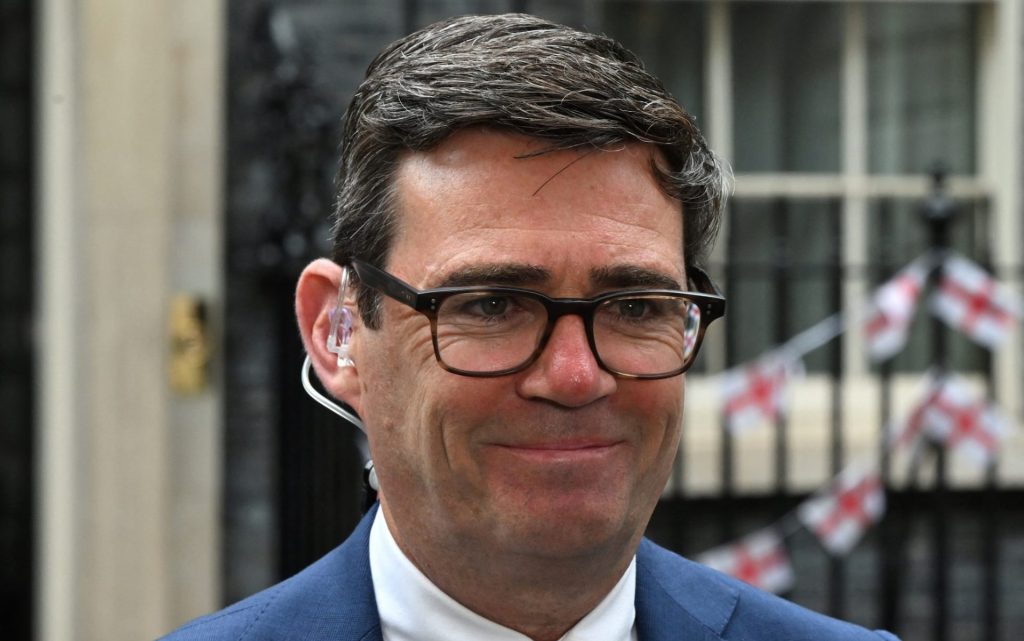
The political landscape within the Labour Party has undergone a seismic shift in 2026. For months, the path back to Westminster for the Mayor of Greater Manchester, Andy Burnham, was effectively barricaded by the party’s own National Executive Committee (NEC). However, as local election pressures mount and Sir Keir Starmer’s leadership faces unprecedented scrutiny, the “gatekeepers” of the Labour Party have signaled a dramatic change of heart.
The move marks a pivotal moment in the ongoing drama of the current administration. With the NEC officers softening their stance, the door is now wide open for a potential leadership challenge that could reshape the future of the British government.
The Changing Tides of the NEC
For much of early 2026, the 10-strong committee of NEC officers served as a bulwark for Sir Keir Starmer. When Burnham attempted to secure a candidacy for the Gorton and Denton by-election in February, he was rejected by an overwhelming eight-to-one vote. At the time, the party machinery was firmly aligned with the Prime Minister, viewing Burnham’s ambitions as a destabilizing force.
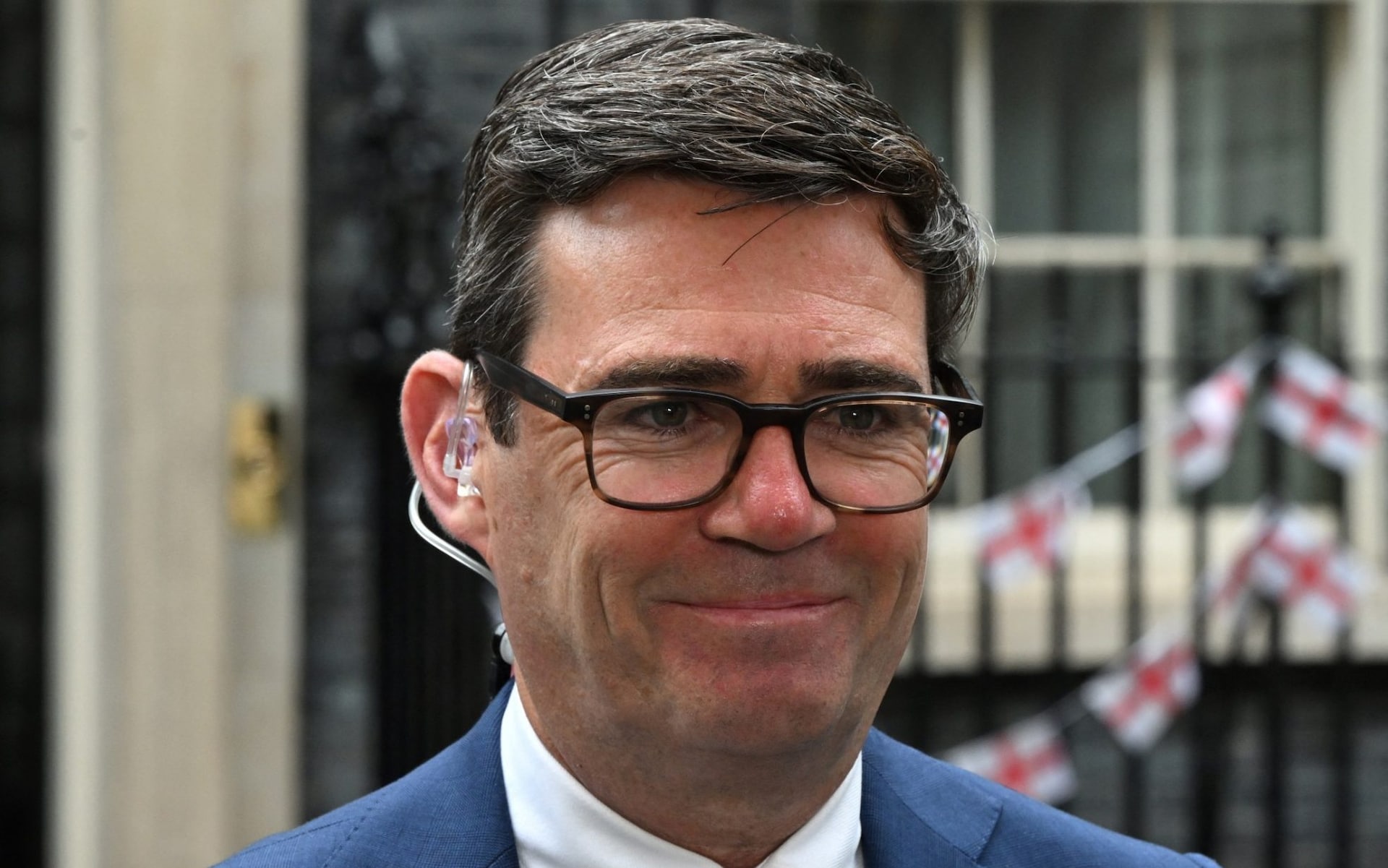
However, political loyalty is often dictated by electoral viability. Sources close to the committee suggest that the “mood has changed” as the reality of Labour’s polling numbers sinks in. The sentiment within the party’s upper echelons has shifted from protecting the incumbent leader to seeking a survival strategy. As one insider noted, “Keir looks much less worth defending” following a string of recent controversies, including the fallout from the Lord Mandelson fiasco and the abrupt dismissal of high-ranking officials.
Why Andy Burnham is Viewed as the “Safety Valve”
Andy Burnham is currently the only senior Labour politician maintaining a positive net approval rating. In a climate where the party is struggling to maintain its base against rising competition, Burnham’s track record in Greater Manchester provides him with a unique “king over the water” status.
Key Factors Driving the Shift:
Electoral Performance: With local elections looming, Labour MPs are increasingly worried about their own seats. They view Burnham as a more palatable alternative who could stem the tide of voter dissatisfaction.
Public Preference: Recent polling, including data from More in Common, suggests that a transition to a Burnham-led government could see Labour reclaim lost ground, potentially overtaking rivals like Reform UK.
- The “Soft-Left” Appeal: As other potential challengers like Angela Rayner face scrutiny over personal financial matters and public perception, Burnham is increasingly seen as the most stable, “credible” option for those looking to pivot away from the current leadership.
The Path to the Commons: A Logistical Challenge
Despite the NEC’s newfound willingness to permit his return, Burnham faces significant procedural hurdles. To challenge Sir Keir Starmer for the leadership, he must first find a seat in the House of Commons.
Allies of the Mayor have reportedly identified several constituencies where sitting Labour MPs might be persuaded to stand down, triggering a by-election. However, once a seat is vacated, Burnham must still secure formal clearance from the NEC to step down as Mayor and transition to Westminster. While the “blockade” is effectively lifted, the administrative process remains a high-stakes game of political chess.
The Leadership Contender Dilemma
The race to replace Sir Keir Starmer is becoming crowded. While Burnham remains a front-runner, he is not the only figure waiting in the wings. Wes Streeting and Angela Rayner are also positioning themselves for a potential coup.
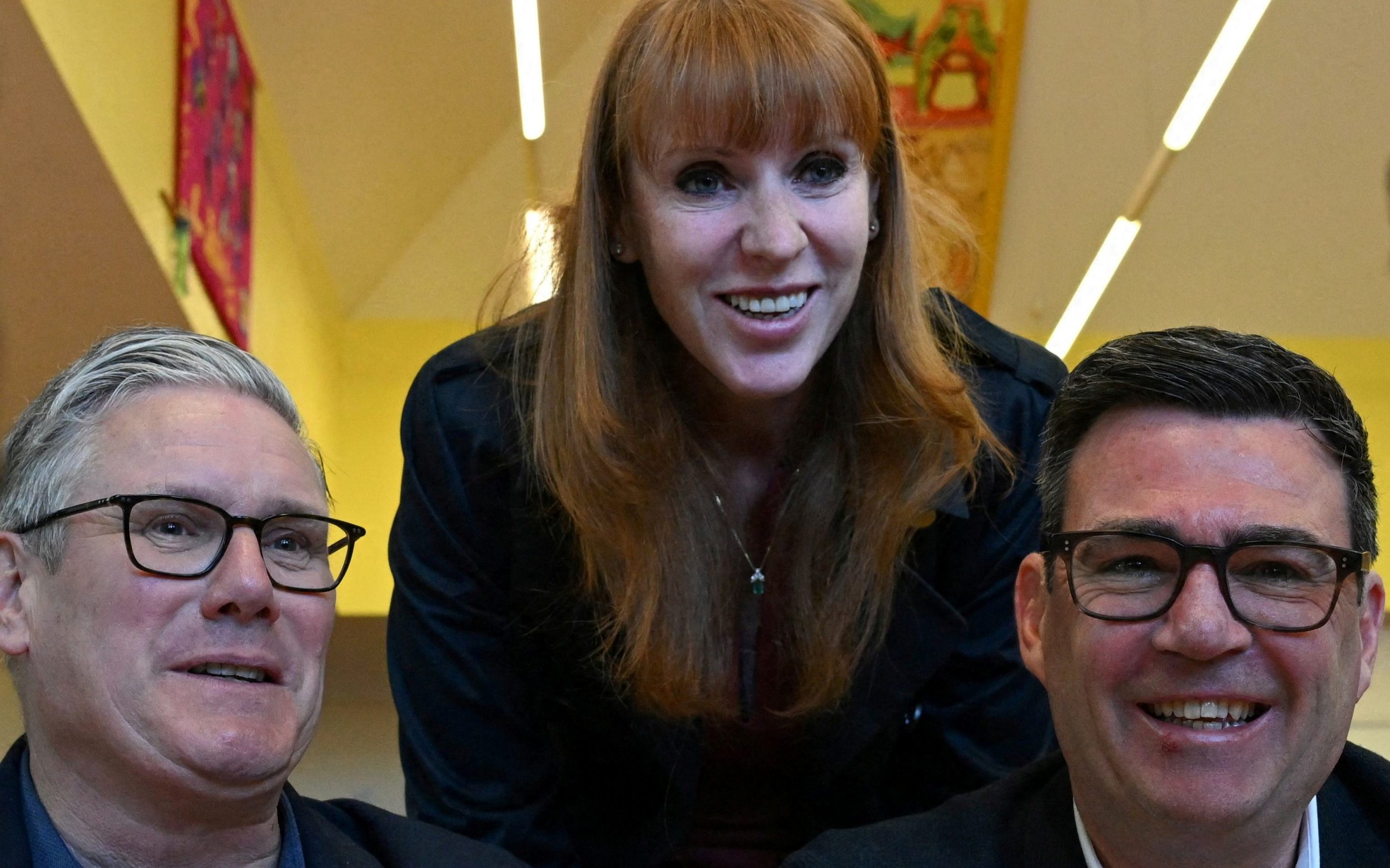
Comparing the Rivals:
- Wes Streeting: As the current Health Secretary, Streeting has the advantage of being a sitting MP. He has been actively building a base of support among the 81 MPs required to trigger a leadership contest.
- Angela Rayner: Despite her experience as a former deputy prime minister, her recent image has been tarnished by controversies regarding her private conference speaking engagements and perceived weaknesses in leadership style.
- Andy Burnham: His strength lies in his distance from the current Downing Street inner circle and his ability to resonate with the wider electorate. His supporters argue he is the only one who can unify the various factions of the Labour Party.
Is a Leadership Transition Inevitable?
The pressure on Sir Keir Starmer to set a timeline for his departure is mounting. Many Labour MPs are now openly discussing the necessity of an “orderly transition” to be completed by the party’s annual conference in September.
Downing Street, however, maintains that the Prime Minister is committed to his five-year term. In a recent interview, Sir Keir emphasized that he would be judged by his results at the end of his mandate. Yet, the consensus in Westminster is that if the upcoming local election results mirror the current negative polling, the “protection” currently surrounding the Prime Minister will evaporate entirely.
Conclusion: A New Chapter for Labour
The decision by Labour’s ruling body to stop blocking Andy Burnham is more than just a bureaucratic update—it is an acknowledgment that the party’s current trajectory is unsustainable. Whether Burnham can successfully navigate the complexities of returning to Parliament and winning over his fellow MPs remains to be seen.
One thing is certain: the era of Sir Keir Starmer’s unquestioned authority has come to an end. As we look toward the remainder of 2026, the focus will be on whether Burnham can capitalize on this opening to lead the Labour Party into a new, potentially more competitive chapter.