Gulf Crisis Escalates: Iran Defies US Naval Blockade as Oil Prices Surge Toward Record Highs

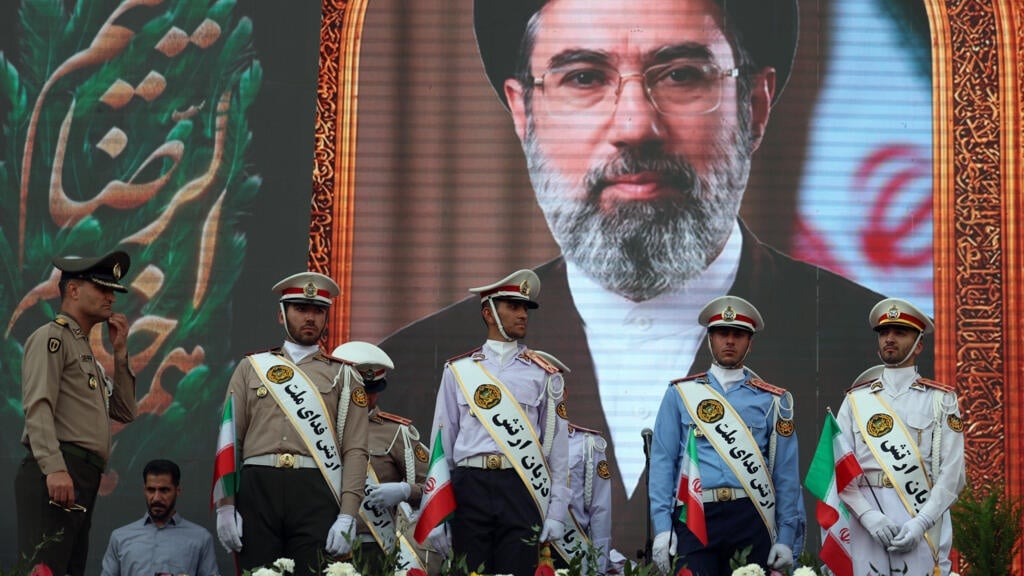
The geopolitical landscape of the Middle East has reached a precarious tipping point as of May 1, 2026. Tensions in the Persian Gulf have intensified significantly, with the United States enforcing a stringent naval blockade on Iranian ports. This move, aimed at curbing Tehran’s nuclear ambitions and regional military influence, has triggered a sharp, immediate reaction in global commodity markets. As Brent crude prices briefly breached the $126-per-barrel mark, the international community is bracing for what many analysts fear could be a prolonged global energy crisis.

The Standoff: A New Chapter in Persian Gulf Tensions
The current confrontation is characterized by a “new chapter” in maritime security, according to Iranian Supreme Leader Ayatollah Ali Khamenei. In a televised address, Khamenei dismissed the US naval presence as a failure of American regional strategy, asserting that Iran maintains the upper hand despite the economic squeeze. This rhetoric marks a departure from previous diplomatic posturing, signaling that Tehran is prepared to weather the blockade for the long haul.
President Donald Trump, conversely, has remained firm in his stance, indicating that the blockade could persist for months. The White House maintains that the interdiction of vessels is a necessary measure to dismantle the financial infrastructure supporting Iran’s nuclear program. With diplomatic talks stalling and a peace deal remaining elusive, the Strait of Hormuz—the world’s most critical maritime oil chokepoint—has become the epicenter of a high-stakes standoff.
Market Volatility: Why Oil Prices Are Skyrocketing
The correlation between geopolitical instability and energy costs has never been more evident. The surge in oil prices to over $126 per barrel reflects deep-seated investor anxiety regarding the security of global supply chains.
Supply Chain Disruptions: The Strait of Hormuz handles roughly one-fifth of the world’s petroleum consumption. Any perceived threat to this passage naturally creates a massive risk premium on every barrel of oil.
Storage Constraints: With exports restricted by the US Navy, Iranian storage facilities are reportedly reaching capacity. This creates a “glut” of stranded crude that further complicates global supply projections.
- Market Sentiment: Traders are reacting not just to the current reality of the blockade, but to the fear that the conflict could expand into a full-scale kinetic war, which would trigger an even more drastic supply shock.
Strategic Maneuvering: Iran’s Response to the Squeeze
While the US naval blockade is designed to isolate the Iranian economy, Tehran is not remaining passive. Reports suggest that Iran is attempting to circumvent the maritime restrictions by shifting export operations to alternative, less-monitored ports. By utilizing smaller tankers and unconventional logistics, Iranian officials are attempting to keep their oil flowing to key regional partners.
President Masoud Pezeshkian has labeled the blockade “intolerable,” warning that continued economic strangulation will only lead to further regional instability. The military posturing is equally concerning; Iranian commanders have threatened “painful and extensive strikes” should the US or its allies escalate their military footprint. This creates a dangerous feedback loop where economic pressure leads to military threats, which in turn drives up energy prices.
The Economic and Diplomatic Outlook
Global institutions, including the United Nations and the International Energy Agency (IEA), have expressed grave concern over the long-term economic fallout of this crisis. A sustained blockade threatens to deepen the global energy crisis, potentially tipping fragile economies toward recession.
The Diplomatic Impasse
Diplomatic efforts to resolve the war have been characterized by deep mutual distrust. President Trump has publicly stated he is “not satisfied” with the latest peace proposals offered by Tehran, citing concerns that they do not adequately address the nuclear issue. Meanwhile, Tehran has conditioned its openness to negotiations on the immediate lifting of sanctions and the removal of the naval blockade.
What Lies Ahead?
As the nine-week-old conflict drags on, the primary focus for global leaders is preventing a localized blockade from becoming a global economic catastrophe. Analysts suggest that unless a breakthrough in diplomatic negotiations occurs, the market should prepare for sustained volatility. The “virtual standstill” of traffic in the Strait of Hormuz remains the most significant variable in the 2026 economic forecast.
Conclusion: A World on Edge
The situation in the Persian Gulf is a stark reminder of how fragile global energy security remains in an era of renewed geopolitical rivalry. With the US committed to its naval strategy and Iran refusing to yield, the immediate future is defined by uncertainty. For businesses, investors, and policymakers, the coming months will be a test of endurance. Whether through a back-channel diplomatic breakthrough or a de-escalation of military posturing, the world is waiting for a resolution that can restore stability to the vital shipping lanes of the Middle East.
As the situation develops, observers should monitor any shifts in tanker traffic and official statements from both the White House and the Iranian Foreign Ministry. The cost of failure in this standoff is measured not just in dollars per barrel, but in the stability of the global economy itself.