The End of an Era: Spirit Airlines Ceases Operations After 34 Years of Turbulence

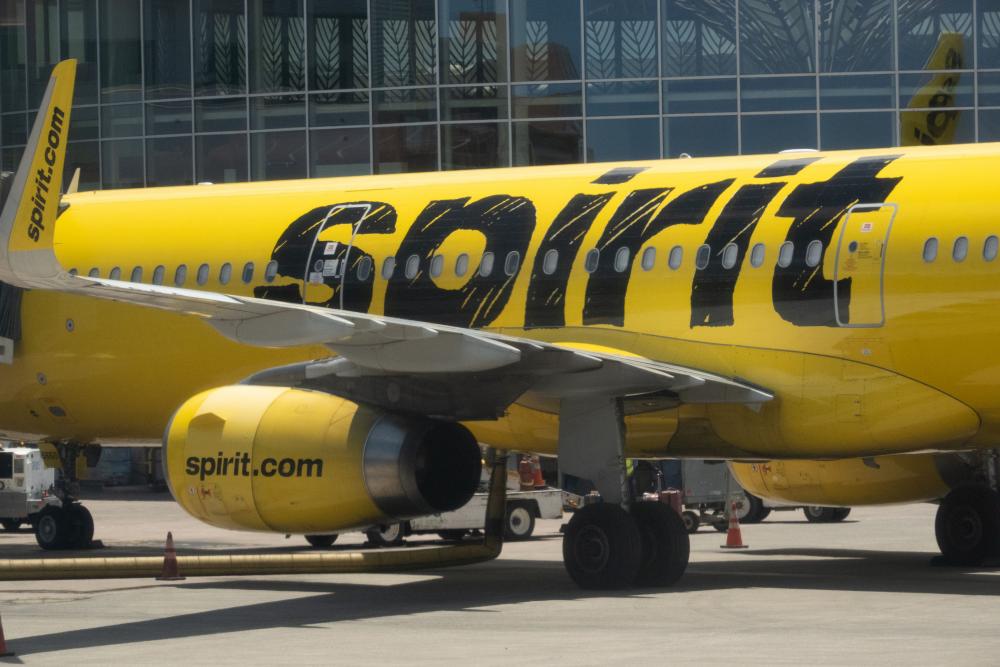
The skies over the United States look a little less yellow today. After 34 years of defining the ultra-low-cost carrier (ULCC) model, Spirit Airlines has officially ceased all operations after 34 years amid financial struggles and high oil prices, marking the end of a tumultuous journey for the Florida-based budget airline, highlighting the inherent ultra-low-cost business model challenges in a volatile market. For millions of travelers, the bright yellow planes were a symbol of accessible travel, but for the company, the final chapter was written by a combination of unsustainable debt, a failed merger, and the crushing weight of global geopolitical instability.
As of early Saturday morning, Spirit confirmed the immediate wind-down of its operations. The news that Spirit Airlines ceases operations after 34 years amid financial struggles and high oil prices has left 17,000 employees facing immediate airline employee layoffs and a fleet grounded indefinitely, with the aviation industry reeling from what experts are calling the most significant airline collapse in recent history amidst growing aviation market instability.
A Perfect Storm: Why Spirit Airlines Collapsed
The demise of Spirit Airlines was not an overnight event; it was the culmination of years of financial strain. Indeed, the decision that Spirit Airlines ceases operations after 34 years amid financial struggles and high oil prices was the result of a perfect storm. While the airline was a pioneer in “unbundling” fares—allowing travelers to pay only for what they needed—the business model, despite its initial success, proved increasingly fragile, raising questions about low-cost carrier model viability in the face of modern economic pressures.
The Impact of Soaring Jet Fuel Prices
The primary catalyst for the final shutdown was the volatile global oil market. The ongoing conflict in Iran has sent crude oil prices skyrocketing, leading to a surge in jet fuel costs, exacerbated by widespread global supply chain disruptions, that Spirit, operating on razor-thin margins, could not absorb. This directly contributed to why Spirit Airlines ceases operations after 34 years amid financial struggles and high oil prices. Unlike larger legacy carriers that often use hedging strategies to insulate themselves from fuel spikes, Spirit found itself exposed to the full force of these price hikes.
The Failed JetBlue Merger
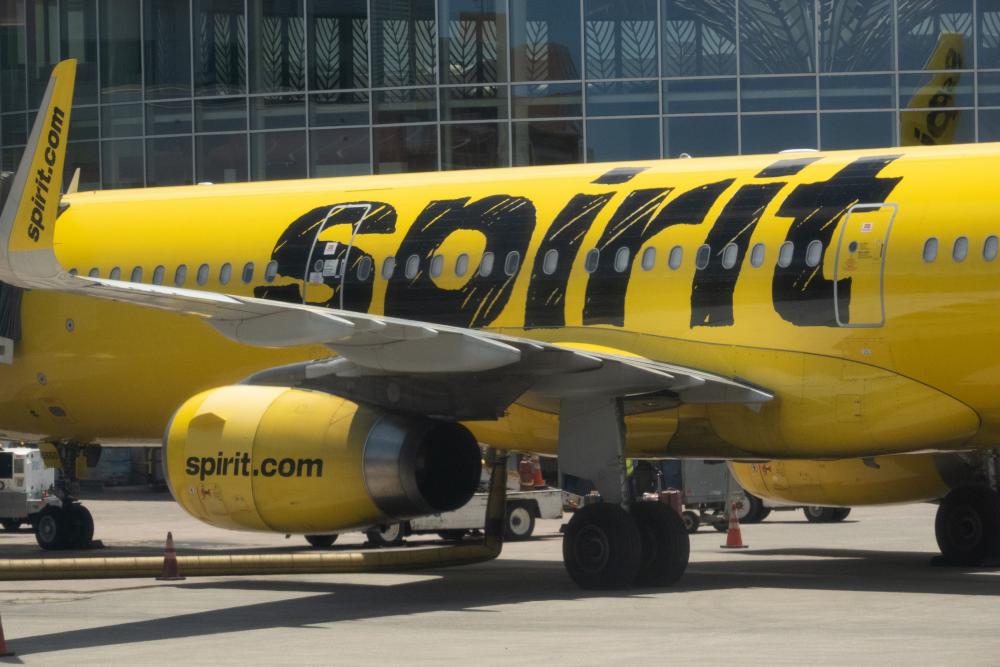
Many analysts point to the failed $3.8 billion merger with JetBlue as the “beginning of the end.” In 2024, a federal judge blocked the acquisition on antitrust grounds, arguing that the consolidation would stifle competition and ultimately harm consumers, a significant factor in broader industry consolidation trends. While the move was intended to protect market diversity, it left Spirit in a precarious financial position, making the eventual news that Spirit Airlines ceases operations after 34 years amid financial struggles and high oil prices almost inevitable, unable to scale or achieve the operational efficiencies required to compete with the “Big Three” carriers—American, Delta, and United.
The Failed Government Lifeline
In its final days, Spirit pinned its hopes on a potential rescue from the federal government. The Trump administration had been in active discussions regarding a $500 million federal loan, a common measure during an airline bankruptcy filing, to keep the carrier afloat. President Trump had expressed a personal interest in saving the jobs of the 17,000 employees, even floating the idea of a government buyout.
However, the reality of the company’s balance sheet made a deal impossible. Creditors and government officials were faced with the harsh truth: the airline was in its second bankruptcy in less than two years, underscoring the severity of its financial distress and the challenges of avoiding a final airline bankruptcy filing. As one creditor noted, “You can’t breathe life into a corpse.” Despite the “extraordinary effort” by the administration, the numbers simply did not add up, leading to the unfortunate conclusion that Spirit Airlines ceases operations after 34 years amid financial struggles and high oil prices.
What This Means for Travelers
If you held a reservation with Spirit Airlines, you are likely navigating the frustrating aftermath of this sudden shutdown and your disrupted travel plans. Because the airline has ceased all operations and customer service channels are no longer active, the path to a refund is not immediate.
Steps for Affected Passengers
- Contact Your Financial Institution: If you booked with a credit or debit card, file a “chargeback” or dispute claim immediately. Most card issuers provide protection for services not rendered, aligning with broader consumer protection rights for travelers.
- Monitor Industry Support: Several major US airlines have indicated they may offer support to stranded Spirit passengers. Keep an eye on announcements from carriers like Frontier, Avelo, or other budget airlines that may offer “re-accommodation” fares.
- Check Travel Insurance: If you purchased independent travel insurance, review your policy to see if “airline insolvency” is a covered event.
The Future of Low-Cost Air Travel
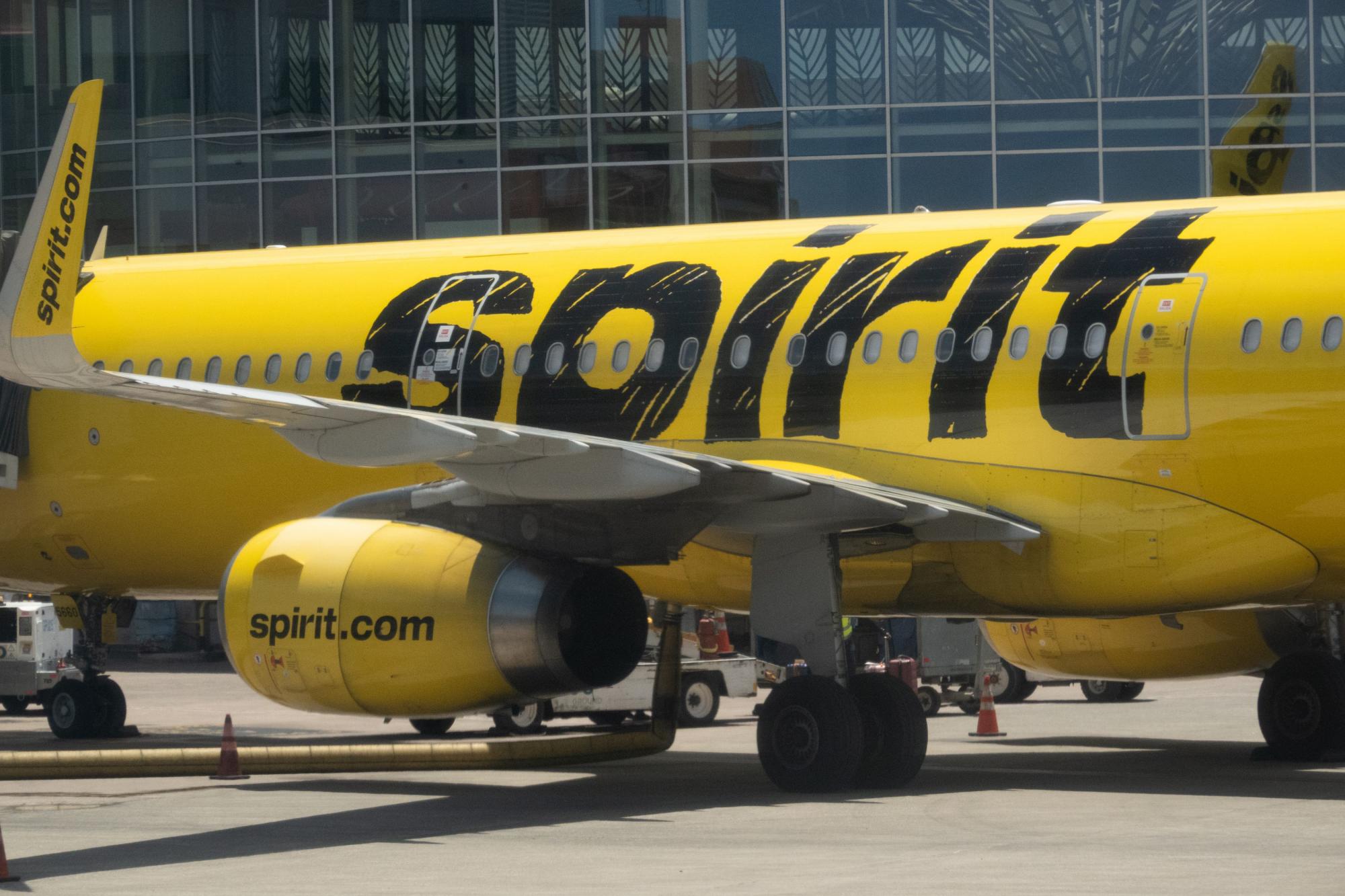
The disappearance of Spirit Airlines, following the announcement that Spirit Airlines ceases operations after 34 years amid financial struggles and high oil prices, from the competitive landscape is expected to have a ripple effect on the average cost of airfare. With one less player fighting for market share, the consolidated airline industry will likely see a period of price increases.
Less Competition, Higher Prices
Spirit’s “ultra-low-cost” model forced competitors to keep their base fares low to remain relevant. Without that pressure, legacy carriers may feel emboldened to raise ticket prices, particularly on popular domestic routes, raising questions about the future of budget airlines and affordable travel options. While other budget carriers like Frontier and Avelo remain, the loss of Spirit’s massive infrastructure and route network creates a significant void that will not be filled overnight.
Lessons from the Fall
Spirit’s 34-year history, starting as Charter One Airlines in 1983, serves as a case study in the risks of the aviation industry and the inherent challenges of low-cost carrier model viability. The fact that Spirit Airlines ceases operations after 34 years amid financial struggles and high oil prices underscores these risks. The company grew rapidly by offering low fares, but it ultimately struggled to transition from a niche discount player to a sustainable, large-scale airline.
The collapse highlights three critical takeaways for the industry:
Operational Resilience is Key: Airlines that fail to hedge against fuel volatility and manage significant fleet maintenance costs are highly susceptible to global geopolitical events.
Merger Hurdles: The federal government’s role in blocking industry consolidation has real-world consequences for the stability of individual firms.
- Consumer Loyalty vs. Price: While passengers love low fares, they are often the first to abandon a brand when operational reliability (cancellations and service) falters.
As we look toward the remainder of 2026, the aviation sector will need to adapt to this new reality. The “yellow plane” era has ended, but the demand for affordable air travel remains stronger than ever. Whether other carriers can step in to fill the gap—or whether the era of dirt-cheap flights is truly behind us—remains to be seen.