Spirit Airlines Collapses: How the Iran War Grounded a US Aviation Giant

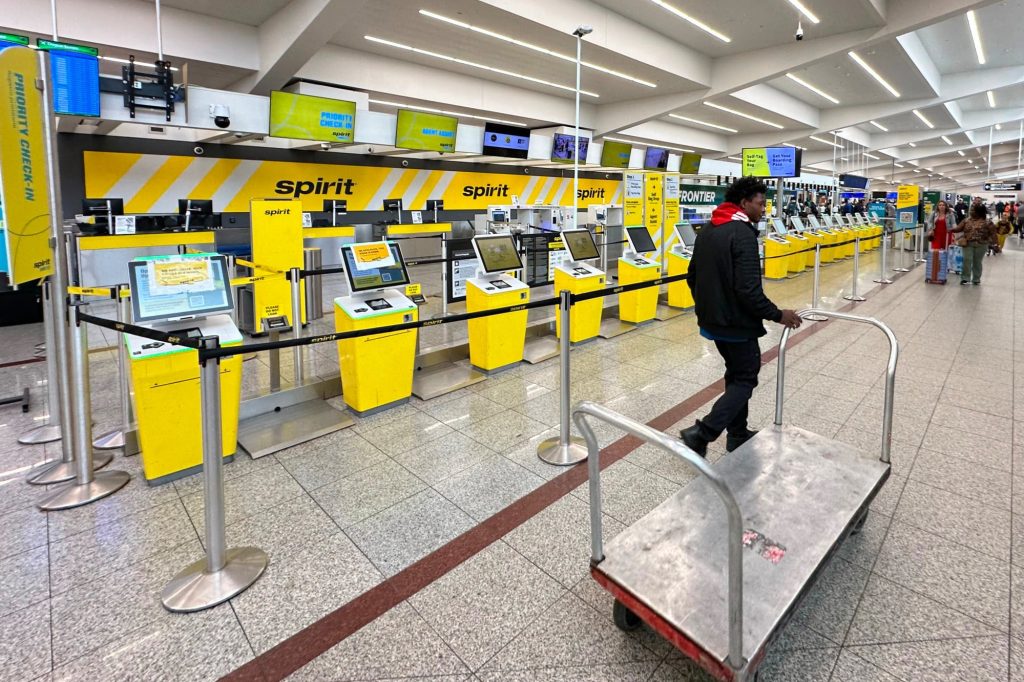
The aviation industry is reeling this week following the abrupt liquidation of Spirit Airlines. As of Saturday, May 2, 2026, the ultra-low-cost carrier has officially ceased operations, marking the first major American corporate casualty directly linked to the ongoing Iran war. For thousands of passengers and employees, the news came as a sudden shock, signaling a grim turning point in how geopolitical conflict can dismantle even the most established domestic brands.
The collapse of Spirit, which at its peak commanded roughly 5% of the US domestic flight market, underscores a volatile new reality. As jet fuel prices skyrocket due to supply chain disruptions in the Strait of Hormuz, the thin margins of the discount airline model have proven unsustainable.
The Fuel Crisis: A Perfect Storm for Aviation
The primary driver behind Spirit’s demise is the unprecedented surge in jet fuel prices. Since the escalation of the conflict between the United States, Israel, and Iran, global energy markets have been in a state of flux. Jet fuel, which typically accounts for nearly a quarter of an airline’s total operating expenses, has seen its price per gallon more than double in just two months.
Spirit’s internal financial projections for 2026 were based on an estimated fuel cost of $2.24 per gallon. By the end of April, however, prices had soared to a staggering $4.51 per gallon. This massive disparity rendered the airline’s ultra-low-cost business model—which relies on keeping overhead as low as possible to offer budget fares—mathematically impossible to maintain.
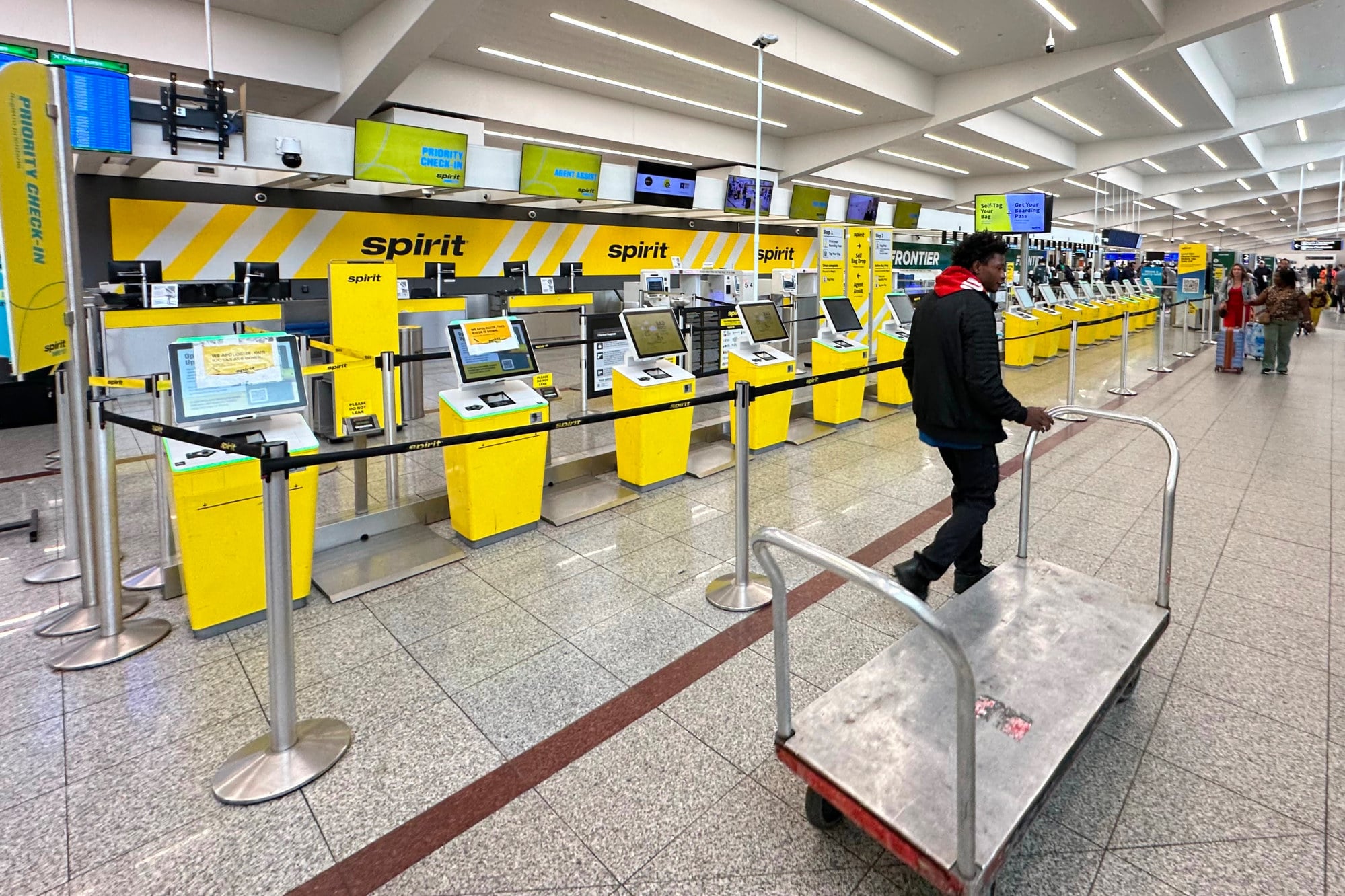
The Failed Bailout: Why the US Government Withdrew Support
The collapse occurred despite a high-stakes, last-minute intervention attempt by the White House. President Donald Trump had publicly floated a $500 million rescue package designed to keep the airline afloat through its bankruptcy restructuring. This proposal, however, faced intense scrutiny from Republican lawmakers and fiscal conservatives who questioned the precedent of the federal government taking a direct equity stake in a private carrier.
Why the Deal Fell Through:
Impasse with Creditors: Negotiations between the administration and Spirit’s lenders reached a stalemate. Creditors were hesitant to support a plan that would have effectively surrendered 90% of the airline’s equity to the government.
The “Corpse” Argument: Transport Secretary Sean Duffy expressed frustration during the final days, noting that the administration had actively searched for a private buyer to acquire Spirit, but found no takers. He famously remarked, “You can’t breathe life into a corpse,” highlighting the lack of market confidence in the airline’s long-term viability.
- Political Resistance: Despite the President’s willingness to intervene, the internal conflict within the administration over the optics and fiscal impact of a bailout made a consensus impossible to reach in time.

The Post-Pandemic Struggle
It is important to note that the Iran war fuel shock was the final blow, but not the only pressure on the carrier. Even before the conflict, Spirit was fighting an uphill battle. The post-pandemic travel landscape shifted significantly; travelers, once eager for the cheapest possible ticket, began prioritizing comfort, reliability, and service experience over basic budget options.
This change in consumer behavior left ultra-low-cost carriers (ULCCs) in a precarious position. Spirit’s inability to pivot its brand toward the “experience-based” travel model demanded by the modern consumer meant they were already operating on razor-thin margins before the first missile was fired in the Middle East.
Impact on Passengers and Competitors
With all flights cancelled and the carrier in an orderly wind-down, the immediate concern has shifted to the thousands of passengers stranded across the country. Major airlines, including JetBlue, Frontier, Southwest, United, and American, have quickly moved to fill the void. Many of these carriers are offering “rescue fares” to help accommodate displaced Spirit passengers, capped at competitive, discounted rates.
The market response has been swift. JetBlue, in particular, is aggressively expanding its footprint in key Spirit strongholds like Fort Lauderdale, announcing plans to launch 11 new routes. While this is a win for the remaining players, it signals a consolidation of the US aviation market that could lead to higher average ticket prices for consumers in the long run.
Broader Economic Consequences
Economists, including Mohamed El-Erian, have warned that the Spirit collapse is a “canary in the coal mine” for the broader economy. If the Iran war continues to disrupt energy supplies, other “fragile businesses” may find themselves unable to survive the inflationary pressure of rising fuel and logistics costs.
The collapse of an airline of this size—the first of its kind in two decades—serves as a sobering reminder of how interconnected the global economy has become. When energy prices are weaponized or disrupted by regional conflict, the ripple effects are felt instantly in the daily lives of citizens, from the cost of goods to the availability of travel.
Conclusion: A New Era of Aviation Uncertainty
The shuttering of Spirit Airlines is more than a corporate bankruptcy; it is a symptom of a shifting geopolitical landscape. As the aviation industry grapples with the fallout, the focus turns to whether other carriers will be forced to follow suit if fuel prices remain at these record highs.
For now, the era of ultra-cheap, no-frills travel is facing an existential crisis. Whether this leads to a more robust, albeit more expensive, airline industry or further instability remains to be seen. One thing is certain: the shadow of the Iran war is now firmly cast over the global travel sector.