Strategic Shift: Trump Orders Withdrawal of 5,000 U.S. Troops from Germany Amid Trans-Atlantic Tensions

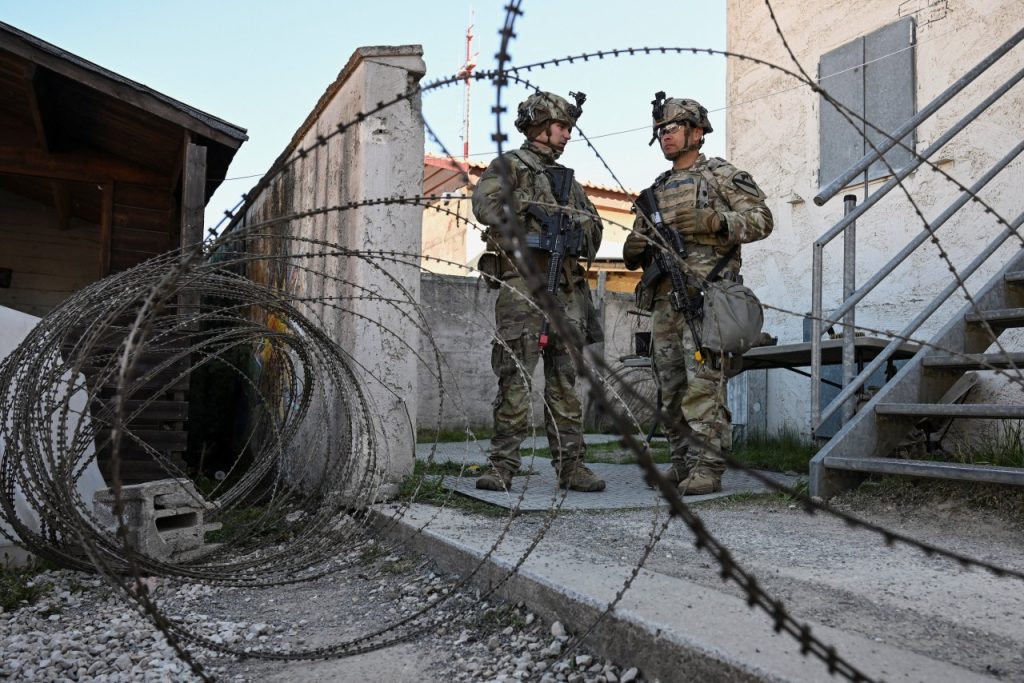
The geopolitical landscape of Europe is undergoing a significant transformation as the Pentagon confirms that President Donald Trump has officially ordered the withdrawal of 5,000 U.S. troops from Germany. This decision, expected to be executed over the next six to twelve months, signals a deepening rift between Washington and Berlin. At the heart of this friction is the ongoing conflict in Iran and a growing public disagreement between President Trump and German Chancellor Friedrich Merz regarding the U.S. military’s strategic direction.
As the Biden administration’s previous plans for a battalion deployment of long-range conventional missiles are scrapped, the move marks a clear reversal in American defense policy. With Germany serving as the primary logistics hub for U.S. operations in Europe and the Middle East, the implications of this reduction extend far beyond mere troop numbers.
The Catalyst: A Public Clash Over the Iran War
The catalyst for this drawdown appears to be the increasingly combative rhetoric shared between the White House and the Chancellery. Chancellor Friedrich Merz recently sparked outrage within the Trump administration after publicly criticizing the U.S. handling of the war in Iran. Merz suggested that Iran’s leadership was effectively “humiliating” the United States and questioned the viability of the current American exit strategy.
For a White House currently focused on building an international coalition to secure the Strait of Hormuz, these remarks were viewed as both counterproductive and unhelpful. Senior U.S. defense officials have characterized the troop withdrawal as a necessary realignment, framing it as a direct response to what they deem “inappropriate” diplomatic posturing from a key NATO ally.
Assessing the Military Impact
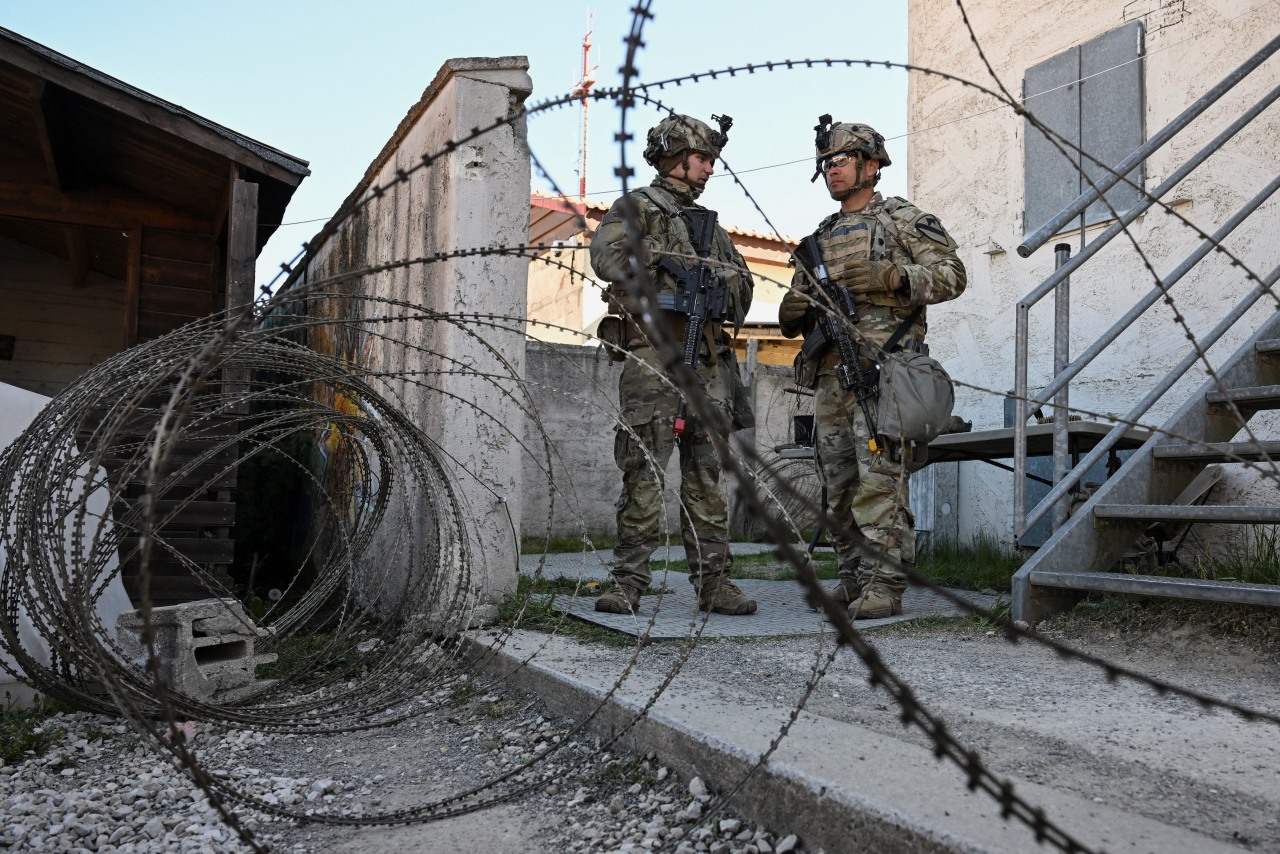
Germany remains the backbone of the U.S. military presence in Europe, hosting over 36,000 service members. The planned withdrawal of 5,000 troops involves the removal of an entire Army brigade. This shift is not merely a reduction but a fundamental change in the U.S. force posture on the continent.
Key Infrastructure Remains Intact
Despite the political tension, military analysts suggest that critical infrastructure will likely remain operational. The U.S. footprint in Germany includes:
Ramstein Air Base: A vital hub for global logistics and power projection.
U.S. European Command (EUCOM) & Africa Command (AFRICOM): Central nerve centers for regional security.
- Landstuhl Regional Medical Center: The largest American military hospital outside of the U.S. mainland, which has been instrumental in treating casualties from the current conflict in the Middle East.
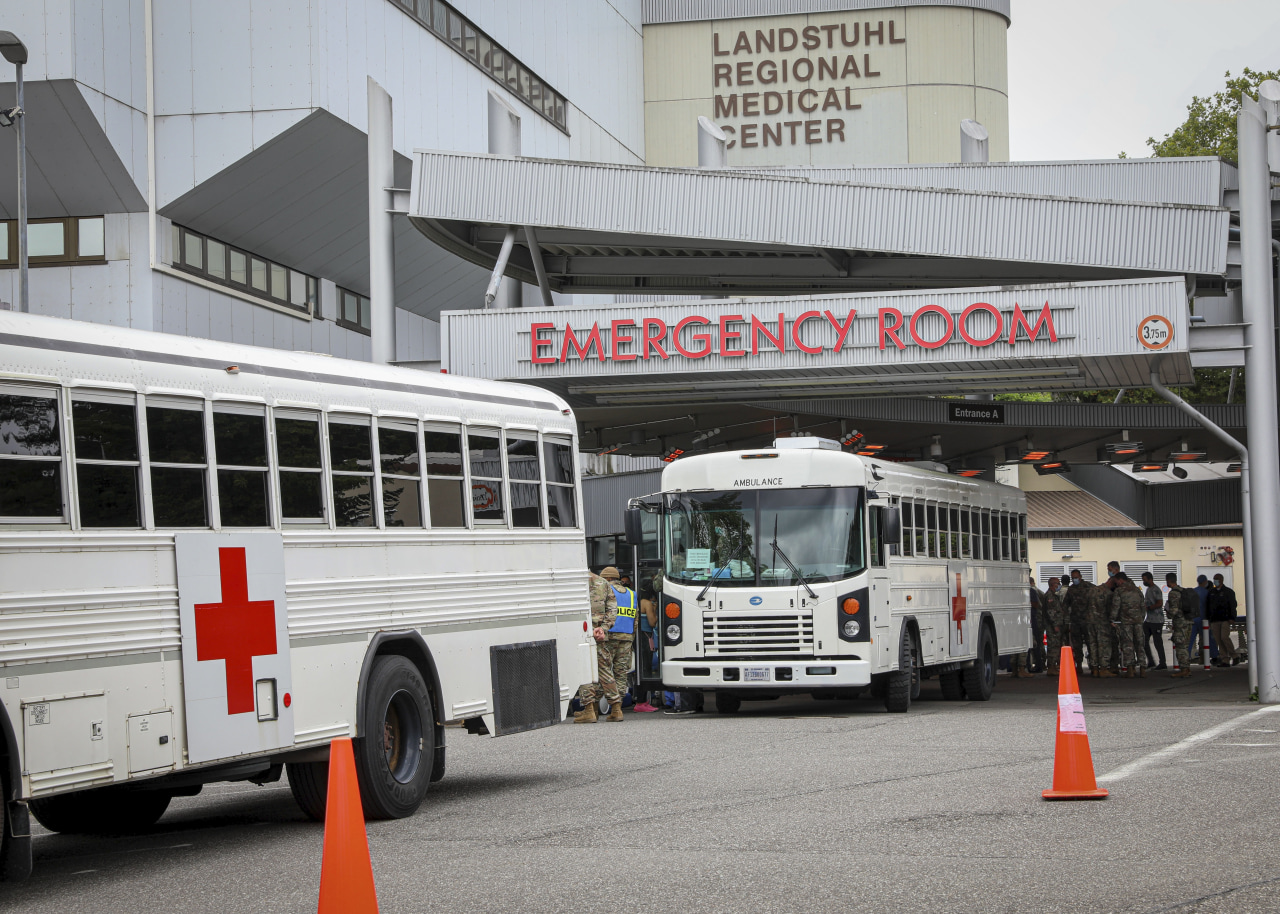
While the withdrawal of 5,000 troops represents a significant reduction in combat-ready personnel, German officials, including Foreign Minister Johann Wadephul, have indicated that they are prepared for the drawdown. The German government is actively seeking to maintain stability in trans-Atlantic relations, emphasizing a “spirit of trust” within NATO bodies despite the current friction.
A Broader Strategy: Pivot to the Indo-Pacific
The Pentagon has clarified that this move is part of a larger, long-term objective to rebalance American military assets. While the immediate trigger is political, the strategic goal is to shift resources away from a static European presence toward the Western Hemisphere and the Indo-Pacific theater.
This pivot aligns with the Trump administration’s desire for European nations to take the lead on their own conventional defense. By reducing the reliance on American forces, the administration hopes to compel NATO members to increase their military spending and assume greater responsibility for regional security.
Critique and Controversy: Does This Weaken NATO?
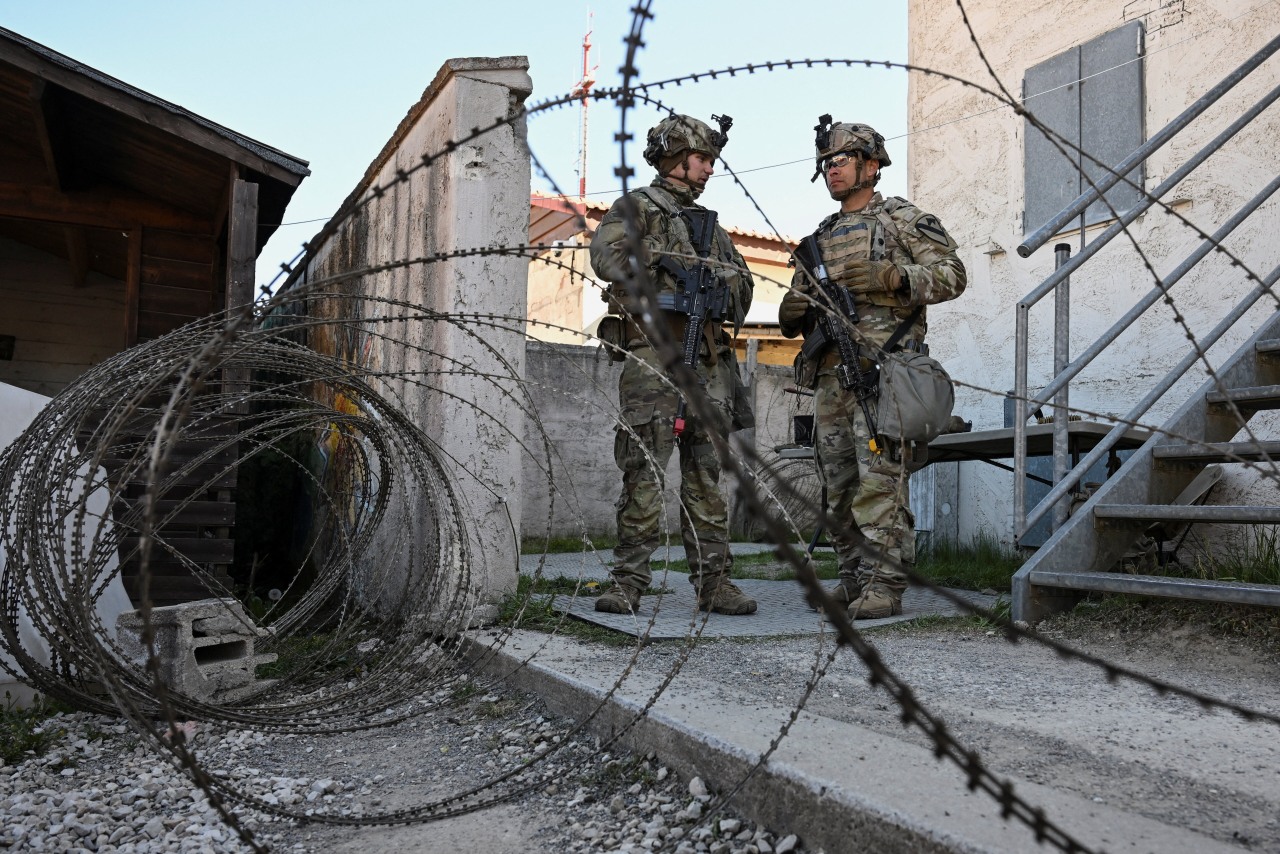
The decision to pull troops has not been without its detractors within the U.S. government. Critics, including Representative Don Bacon—a retired Air Force brigadier general—have argued that the withdrawal could inadvertently weaken the NATO alliance.
“I think it weakens NATO. Russia likes it,” Bacon noted, describing the decision as a potential “knee-jerk reaction.” There is a legitimate concern that reducing the American footprint in Europe could embolden adversaries, particularly as the continent still grapples with the fallout from the conflict in Ukraine.
Furthermore, the reversal of the missile deployment agreement—previously hailed as a cornerstone of U.S.-German cooperation—has drawn sharp criticism from global observers who fear a return to Cold War-era instability. Russian officials have historically viewed such deployments as escalatory, and the sudden U-turn by the U.S. creates a complex diplomatic vacuum.
The Future of the Trans-Atlantic Alliance
As the U.S. continues to pressure its allies to contribute more to shared defense, the relationship between Washington and Berlin will remain a focal point of 2026 geopolitics. The Trump administration’s willingness to penalize allies deemed “unhelpful”—as seen in previous threats regarding Spain and Italy—suggests that this withdrawal may be a template for future interactions.
Whether this move will lead to a more self-reliant Europe or a fractured NATO remains to be seen. What is clear, however, is that the era of unquestioned American military permanence in Germany is shifting toward a more transactional model.
Summary of Key Points
- 5,000 Troops Withdrawn: The U.S. will reduce its Germany-based force over the next 6–12 months.
- Political Fallout: The decision follows public criticism of the Iran war strategy by Chancellor Friedrich Merz.
- Strategic Pivot: The Pentagon is prioritizing force allocation toward the Indo-Pacific and Western Hemisphere.
- NATO Concerns: Lawmakers worry the move undermines the alliance and provides an advantage to regional adversaries.
The coming year will be a litmus test for the resilience of the trans-Atlantic alliance. As the U.S. recalibrates its global posture, both Washington and Berlin will need to navigate this tense period to ensure that security cooperation remains effective, even if the methods and troop numbers have changed.