Legal Precedent: Why a Former MS-13 Informant Was Granted a Stay of Deportation from Canada

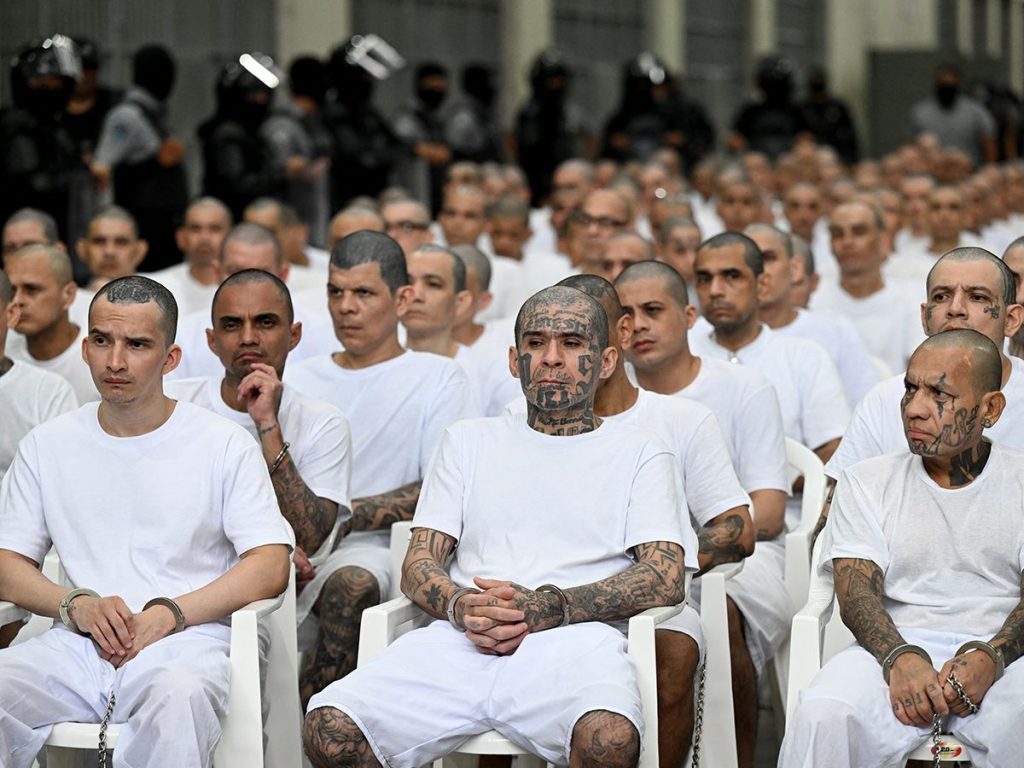
In a complex legal development that balances national security with human rights obligations, a Federal Court judge has granted a stay of removal for a failed refugee claimant known only as “FGH.” This individual, who previously served as an informant against the notorious MS-13 gang, faced imminent deportation to Honduras despite a history of identity theft and forgery convictions.
The case, which has garnered significant attention in 2026, highlights the intricate challenges Canadian immigration authorities face when dealing with individuals who possess both a criminal record and a well-founded fear of persecution. As Canada continues to refine its immigration policies, the “FGH” case serves as a critical study of how the judiciary interprets the risk of irreparable harm against the backdrop of serious criminality.
The Backstory: From MS-13 Informant to Refugee Claimant
The applicant’s journey to Canada is marked by a series of desperate moves to escape the reach of transnational criminal organizations. After acting as a confidential informant against MS-13 in the United States, the man found his life in immediate danger once his cooperation with law enforcement became public knowledge.
Following his initial deportation from the U.S. to Honduras in 2017, the man reported being targeted by armed individuals and receiving direct threats. His testimony suggests that once an individual is branded a “snitch” by a group as powerful as MS-13, the danger becomes global.
Irregular Entry and Legal Hurdles
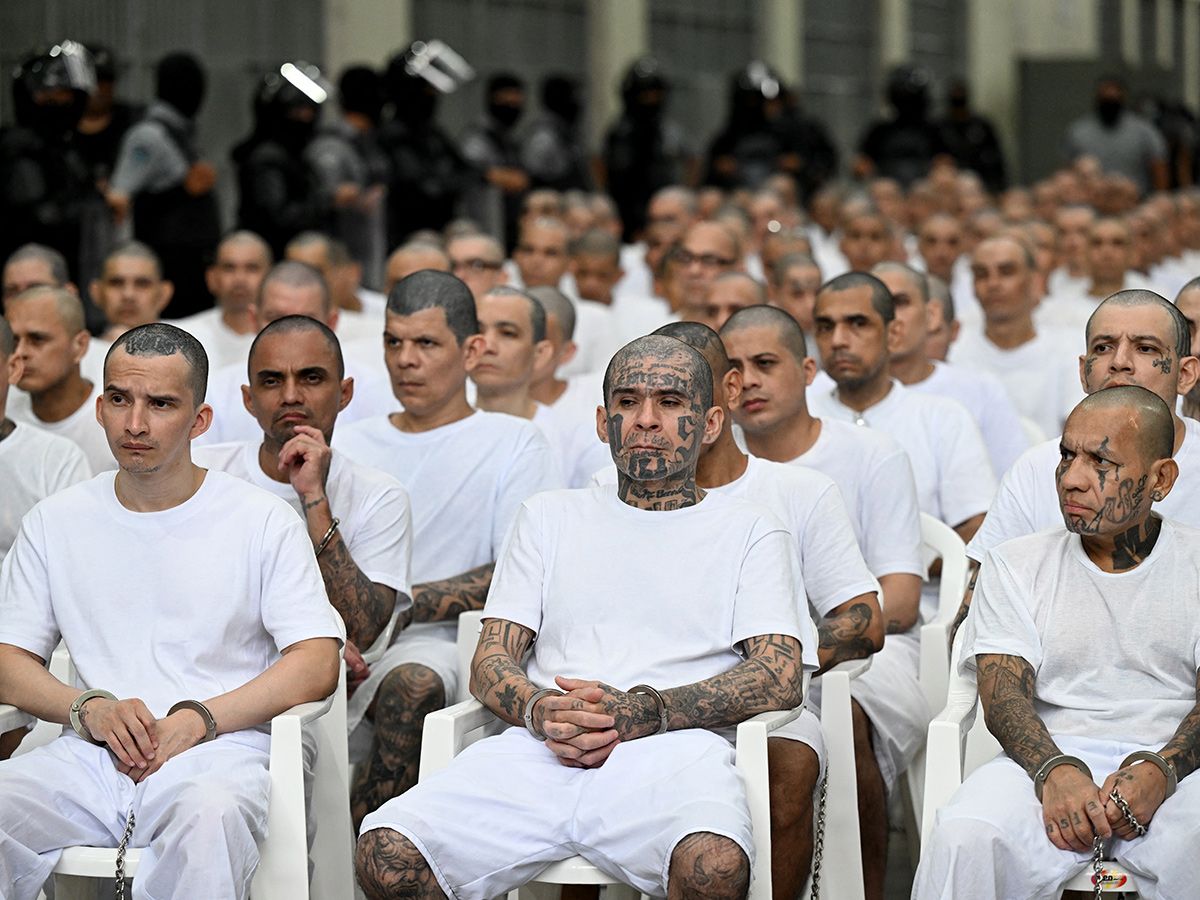
FGH entered Canada irregularly in November 2020 and filed for refugee protection by April 2021. However, his path to residency was immediately obstructed by his past. His refugee claim was suspended due to findings of serious criminality, specifically his U.S. convictions for identity theft and forgery.
The Canadian government’s position was that these criminal activities rendered him inadmissible. However, the applicant argued that these non-violent crimes were committed solely as a means to survive and avoid detection while in flight from gang retribution.
Judicial Reasoning: Why the Court Intervened
Justice Simon Fothergill, presiding over the Federal Court, ultimately decided that the risk of death or severe injury outweighed the state’s interest in immediate removal. The court’s decision rested on several key pillars:
- Clear and Convincing Evidence: The judge found that the applicant provided non-speculative evidence that returning to Honduras would likely result in his death.
- Lack of State Protection: The court acknowledged that in regions where MS-13 operates, local authorities are often unable or unwilling to protect those who have collaborated with foreign law enforcement.
- Post-Arrival Conduct: The judge noted that since arriving in Canada, the applicant has maintained a clean record, married a Canadian citizen, and initiated the process for criminal rehabilitation.
The Anonymity Order
Given the nature of his history with the gang, the court granted an anonymity order to protect the applicant’s identity. This is a significant measure, as the court recognized that the risk of harm to the individual rises far above “mere inconvenience or embarrassment.” By keeping the claimant’s name private, the Canadian justice system aims to prevent him from becoming a target for transnational criminal networks.
The Broader Implications for Canadian Immigration Law
This case underscores a perennial tension in Canadian law: how to handle individuals who are technically inadmissible due to criminal history but who also trigger Canada’s international obligations under the Convention Against Torture.
The Role of the Pre-Removal Risk Assessment (PRRA)
The applicant had previously been turned down for a Pre-Removal Risk Assessment (PRRA) by a senior immigration officer. The officer argued that there was no evidence MS-13 had tried to harm him since 2017. However, the Federal Court judge took a broader view, considering the long-term, systemic nature of gang violence in Honduras.
Generalized vs. Personalized Risk: While the government viewed the threats as generalized, the court viewed them as specific to his status as a former informant.
The Passage of Time: The court rejected the notion that the passage of time automatically “attenuates the risk,” citing evidence that gang members track their targets for years.
Balancing Security and Compassion
For immigration lawyers and policy analysts in 2026, the “FGH” decision provides a roadmap for how to argue cases where the client has a “checkered past.” It emphasizes that the court will look at the context of the crimes—whether they were motivated by greed or by the necessity of survival—when determining if an individual deserves a second chance.
What Happens Next?
While this decision grants a stay of removal, it does not grant the applicant permanent residency or refugee status. It merely buys him time to pursue a judicial review of his denied PRRA.
If successful in his review, the applicant may be able to proceed with his application for permanent residence, potentially sponsored by his Canadian spouse. However, he must still overcome the hurdle of his criminal record through the formal criminal rehabilitation process, which requires demonstrating that he has been fully reformed and no longer poses a threat to Canadian society.
Conclusion: A Complex Legal Landscape
The case of the failed refugee claimant and former MS-13 informant is a stark reminder of the global reach of organized crime. It illustrates how local gang disputes in Central America can manifest as complex legal battles in Canadian courtrooms.
By prioritizing the protection of life over the immediate enforcement of removal orders in this instance, the Canadian judiciary has reaffirmed its commitment to human rights, even when the applicant has a history of violating the law. As migration patterns continue to evolve, Canada will likely see more cases where the lines between “criminal” and “victim” become increasingly blurred, requiring a nuanced, case-by-case approach that upholds both the rule of law and the safety of the individual.