Standoff at the Strait: Why Trump Rejected Iran’s Latest Peace Proposal

The geopolitical landscape of 2026 remains dominated by the high-stakes conflict between the United States and Iran. As the world watches the fragile, three-week-old ceasefire struggle to hold, U.S. President Donald Trump has officially signaled his dissatisfaction with Tehran’s most recent proposal aimed at ending the ongoing war. This latest development adds another layer of complexity to a crisis that has already claimed thousands of lives and disrupted global energy security.
A Diplomatic Impasse in 2026
Despite back-channel communications facilitated by mediators in Pakistan, President Trump’s recent comments at the White House underscore a growing frustration with the Iranian leadership. While Tehran has attempted to frame its latest proposal as a path toward de-escalation, the White House views the submission as insufficient.
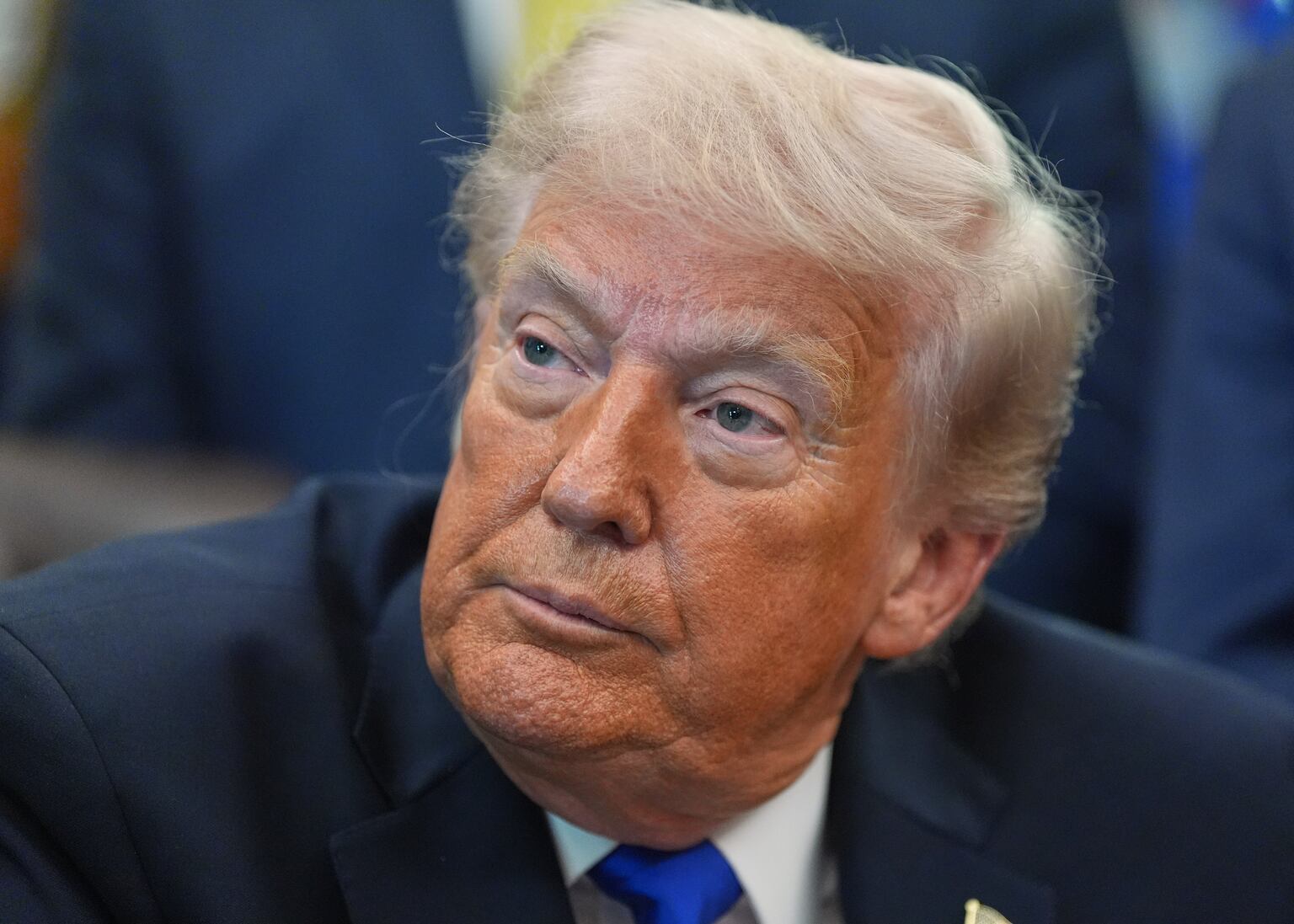
“They want to make a deal, I’m not satisfied with it,” Trump told reporters, casting doubt on the cohesion of Iran’s internal governance. The President characterized the Iranian leadership as “disjointed” and “messed up,” suggesting that the internal fractured state of the regime is a primary barrier to reaching a sustainable, long-term peace agreement.
The Chokehold on the Strait of Hormuz
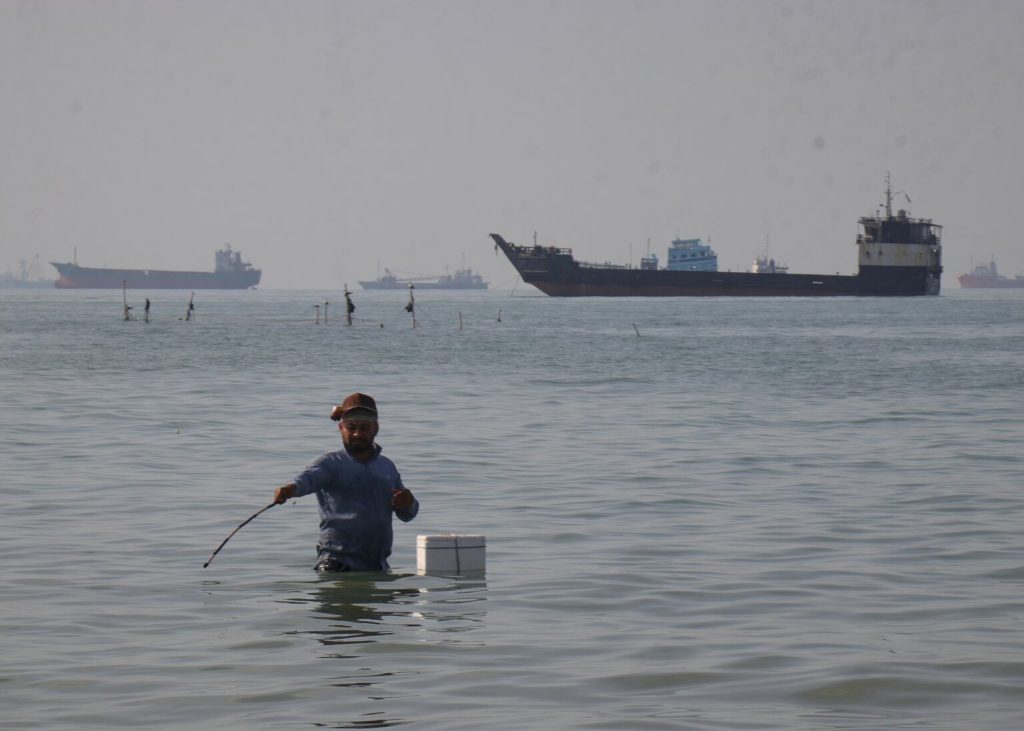
At the heart of the current standoff lies the Strait of Hormuz, a critical maritime chokepoint through which approximately 20% of the world’s oil and gas flows. The U.S. Navy’s ongoing blockade of Iranian ports has crippled Tehran’s economy, while Iran’s retaliatory maneuvers have kept global energy markets on edge.
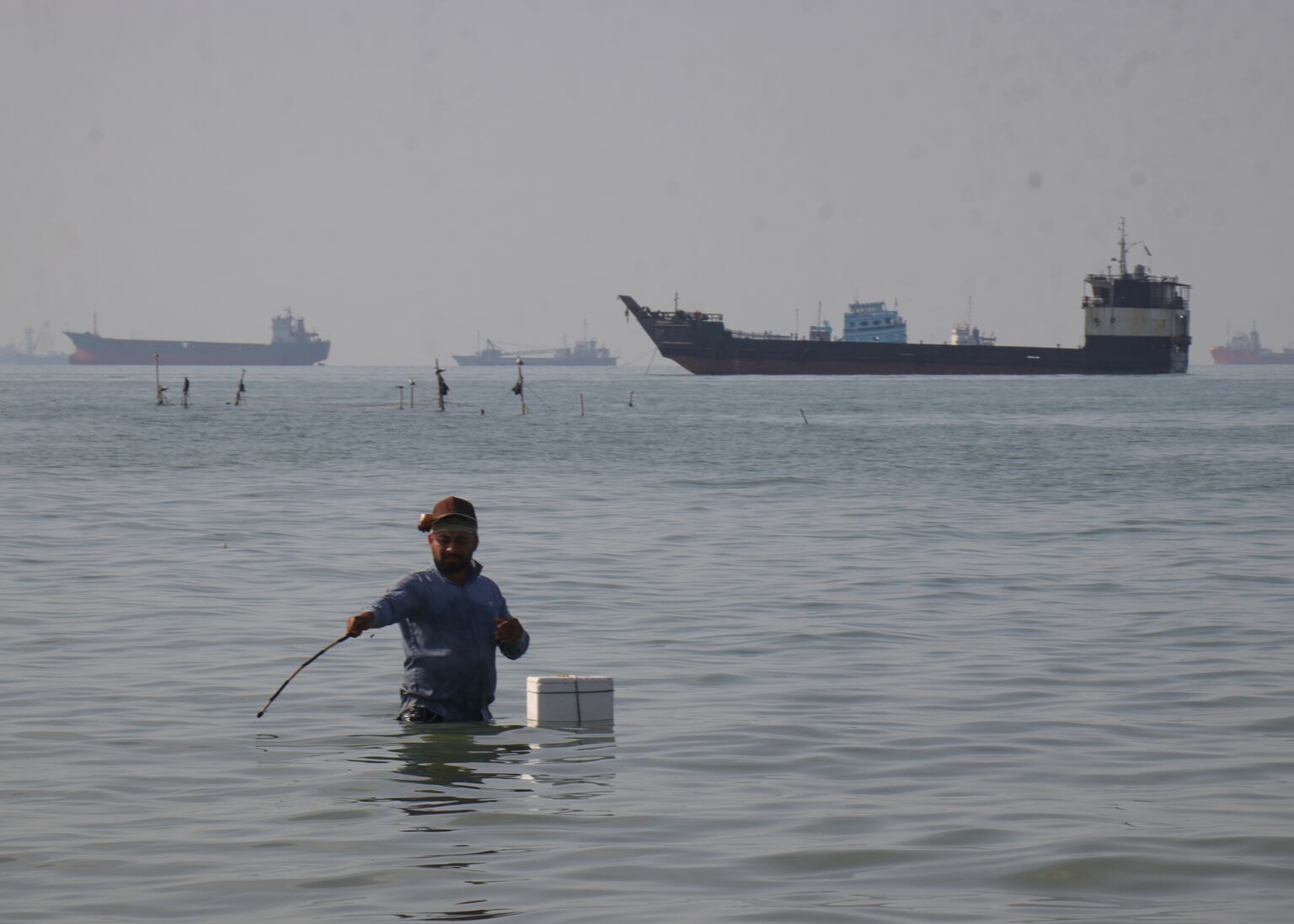
President Trump has reportedly rejected an Iranian offer that sought to trade the reopening of the Strait of Hormuz for the lifting of the U.S. naval blockade. Analysts note that this proposal was likely a non-starter for Washington because it allegedly attempted to defer negotiations regarding Iran’s nuclear program—a central pillar of the U.S. administration’s war objectives.
Why the Proposal Failed to Gain Traction
Nuclear Deferment: Iran’s attempt to push back nuclear program discussions was deemed unacceptable by White House advisors.
Security Guarantees: The proposal lacked robust, long-term security arrangements that would prevent future hostilities.
- Leadership Skepticism: President Trump remains wary of whether the current Iranian political structure has the authority to enforce a deal across all its militant proxies.

The Human Cost of the Conflict
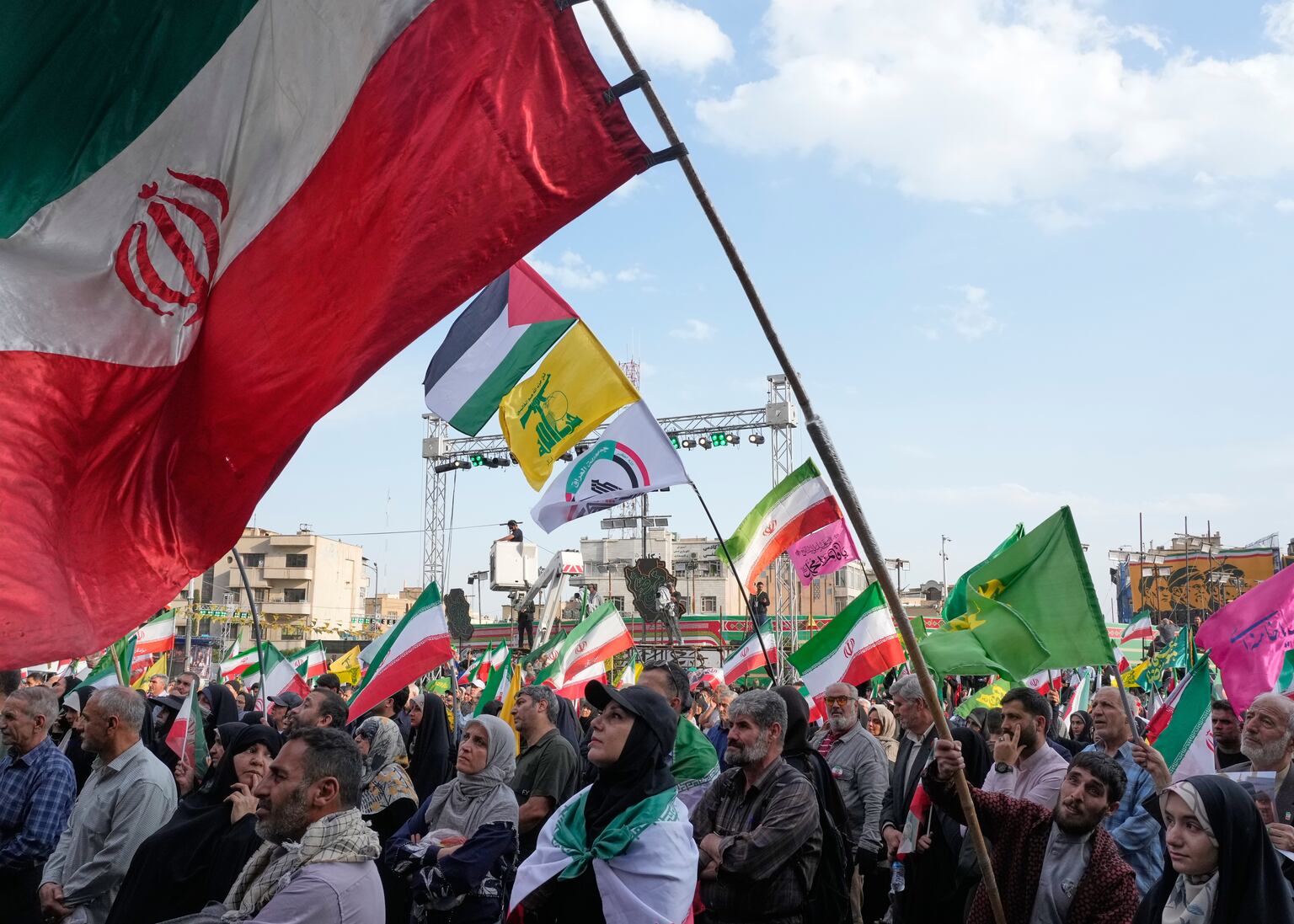
The war, which began in February 2026, has exacted a devastating toll. With over 3,300 deaths reported in Iran and significant casualties across Lebanon, Israel, and the Gulf states, the urgency for a diplomatic solution is higher than ever. The involvement of regional actors, including Hezbollah, has further regionalized the conflict, making a bilateral U.S.-Iran deal increasingly difficult to isolate.
While Iranian Foreign Minister Abbas Araghchi has been engaged in a “flurry of calls” with regional counterparts—including Turkey, Saudi Arabia, and Qatar—to garner support for their initiative, these efforts have yet to change the calculus in Washington. Even the European Union, represented by Kaja Kallas, has been involved in high-level discussions aimed at securing the Strait, yet no breakthrough has emerged.
Future Outlook: Is Diplomacy Still Viable?
The current ceasefire is described as “shaky” by international observers. Both Washington and Tehran have accused one another of violating terms, and the expiration of the current truce is rapidly approaching.
The administration’s stance remains firm: the U.S. is not interested in a partial deal that leaves the nuclear threat unresolved or allows Iran to maintain a destabilizing hold on global energy corridors. As Vice President JD Vance and other senior officials monitor the situation, the possibility of renewed military action remains a tangible threat if the diplomatic impasse continues.
Key Takeaways for Global Markets
- Energy Volatility: The uncertainty surrounding the Strait of Hormuz will likely keep oil prices elevated in the short term.
- Diplomatic Frustration: The U.S. is signaling that it will not accept “quick fixes” that ignore the core issues of nuclear proliferation and regional proxy warfare.
- Regional Instability: As long as the conflict persists, neighboring nations in the Gulf remain in a state of high alert.
Ultimately, the path to peace depends on whether Tehran can offer a proposal that addresses the fundamental security concerns of the U.S. and its allies. Until then, the world remains in a state of precarious waiting, watching to see if the ceasefire can hold or if the conflict will escalate once more.