FEMA Reinstates Whistleblowers: A Shift in Agency Culture Ahead of 2026 Hurricane Season

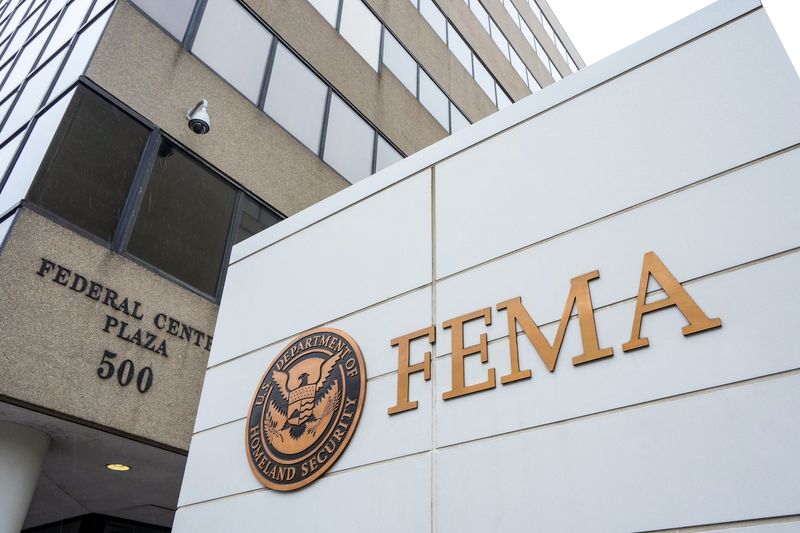
The landscape of federal emergency management in the United States has undergone a significant transformation this week. In a move that signals a potential pivot in administrative strategy, the Federal Emergency Management Agency (FEMA) has officially reinstated more than a dozen employees who were placed on administrative leave last August. These staff members had been sidelined for over eight months following their participation in a public letter of dissent, which criticized the agency’s leadership and the potential impact of sweeping budget cuts.
This development comes at a critical juncture for the agency as it prepares for the upcoming 2026 hurricane season and the logistical demands of the FIFA World Cup. The reinstatement, confirmed by non-profit organization Stand Up for Science and various legislative sources, marks the end of a contentious period characterized by internal friction and concerns over the politicization of disaster response.
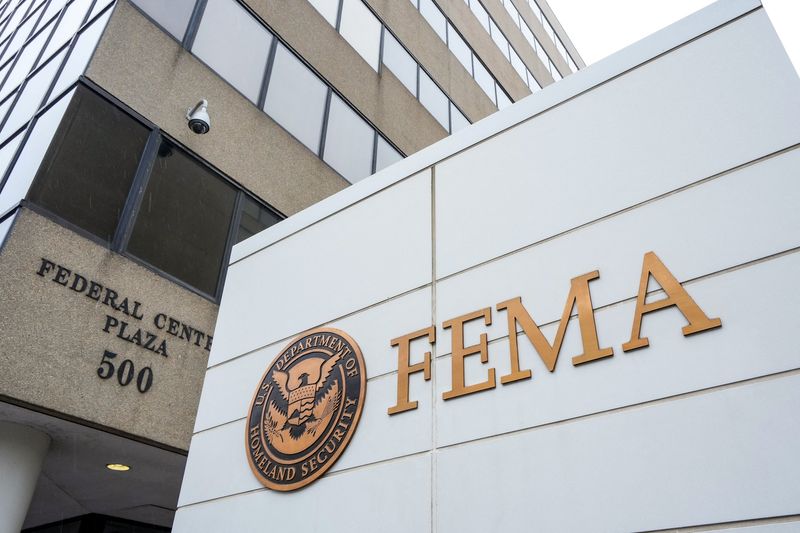
The Roots of Dissent: A Warning Ignored?
To understand the gravity of this reinstatement, one must look back at the events of 2025. Following the inauguration of President Donald Trump, the Department of Homeland Security (DHS) underwent a rapid restructuring. Under the direction of former DHS chief Kristi Noem, FEMA experienced significant staff reductions and a shift in leadership personnel.
The employees now returning to their posts were part of a larger group of staff who sounded the alarm in an open letter to Congress. They argued that the influx of inexperienced political appointees into key operational roles threatened the agency’s core mission. The letter explicitly warned that the degradation of institutional knowledge could lead to a “Katrina-level catastrophe,” highlighting the risks posed to public safety when disaster response is managed by those lacking technical expertise.
Institutional Friction and Administrative Leave
When the letter was released, the agency’s response was swift and decisive. The signatories were placed on paid administrative leave, effectively silencing their internal critiques. For eight months, these professionals—many of whom are experts in logistics, planning, and emergency coordination—remained in limbo. This action sparked a national debate regarding the tolerance of dissent within federal agencies during a period of intense political transition.
Legislative Intervention and Leadership Changes
The return of these employees is not merely an internal HR decision; it is the result of sustained pressure from both within and outside the government. Democratic U.S. Senator Andy Kim played a pivotal role in these negotiations. By engaging directly with the new DHS leadership, Senator Kim argued that the agency’s stability was being compromised by the absence of its most experienced personnel.
The climate at the Department of Homeland Security has also shifted significantly since the spring of 2026. The firing of former DHS chief Kristi Noem in early March paved the way for Markwayne Mullin to take the helm. This change in command appears to have ushered in a more pragmatic approach to agency staffing.
Why Stability Matters in 2026
The timing of this reinstatement is no coincidence. FEMA is currently facing two major operational challenges:
- The 2026 Hurricane Season: With climate volatility increasing, the agency cannot afford to be understaffed or lacking in veteran expertise.
- The FIFA World Cup: Hosting a global event of this magnitude requires unprecedented levels of inter-agency coordination and disaster preparedness, placing an enormous burden on FEMA’s logistics teams.
A FEMA spokesperson recently acknowledged these pressures, stating that the agency is “addressing outstanding personnel actions to ensure workforce stability.” This admission suggests that the agency is prioritizing operational readiness over the political purity tests that defined the previous year.
Analyzing the “Vindication” of the Workforce
For the fourteen employees affected, the return to work is being described as a moment of vindication. By keeping their original concerns on the record and refusing to resign, these workers have highlighted the importance of a professional, non-partisan civil service.
However, the incident raises long-term questions about the culture of federal agencies. Does the reinstatement suggest a permanent change, or is it a temporary fix for a high-stakes year? Critics of the previous administration’s policies remain cautious, noting that the “loyalist” model of appointments—where technical expertise is secondary to political alignment—has caused lasting damage to morale and institutional memory across several departments.
The Future of FEMA Under New Management
As we move deeper into 2026, the focus for Markwayne Mullin and his team will be on rebuilding trust. The reinstatement of these dissenters is a “trust-building” measure, but it is only the first step. To truly recover, FEMA must address the underlying concerns voiced in the dissent letter: the need for experienced leadership, the protection of scientific and technical integrity, and the depoliticization of disaster management.
Key Takeaways for the Public
Accountability: The power of public dissent and legislative oversight remains a functional check on executive overreach.
Institutional Knowledge: The return of 14 seasoned professionals is a significant win for the agency’s technical capacity.
- Operational Focus: The government is shifting its priority from political restructuring to national safety ahead of the FIFA World Cup.
Conclusion
The reinstatement of the FEMA employees serves as a case study in the resilience of the federal workforce. While the friction between political appointees and career staff is a historical constant in Washington, the intensity of the conflict in 2025 pushed the agency to the brink of instability. By bringing these experts back into the fold, the DHS is signaling that, when it comes to disaster preparedness, experience must eventually take precedence over politics.
As the 2026 hurricane season approaches, the eyes of the nation will be on FEMA. The agency has been given a second chance to prove that it can function effectively, independent of the political currents that nearly derailed it. Whether this reinstatement leads to a more collaborative culture or remains a brief reprieve in a larger struggle remains to be seen.