Constitutional Crisis: The Looming Iran War Deadline and the Battle Over War Powers

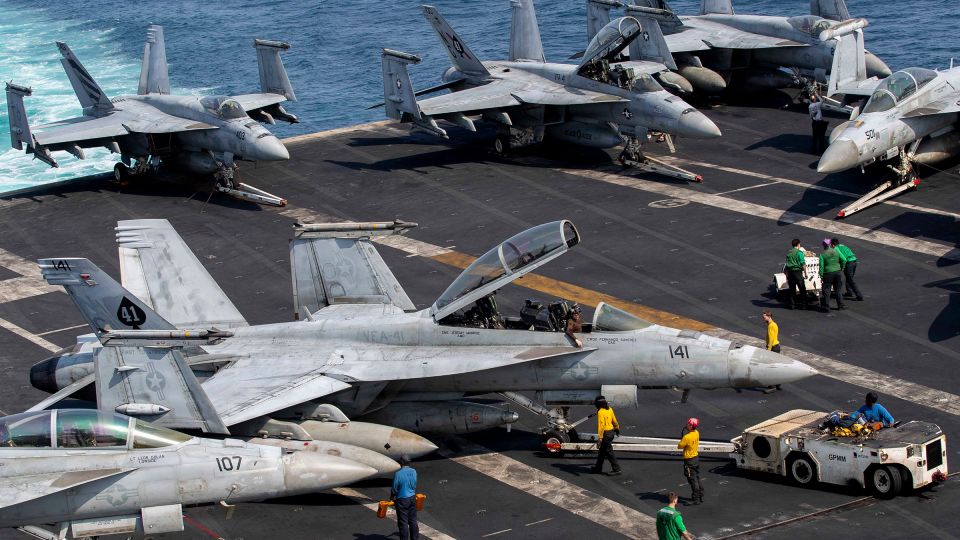
As the calendar turns toward mid-2026, a high-stakes standoff is unfolding between the White House and Capitol Hill. At the center of this firestorm is the War Powers Act of 1973, a Vietnam-era statute designed to prevent executive overreach. The law is clear: a president has 60 days to conduct military hostilities without congressional authorization before they must terminate the use of Armed Forces.
With the conflict in Iran reaching this critical threshold, the machinery of government has ground to a halt. Lawmakers are currently locked in a fierce debate, not just over the merits of the war itself, but over the very definition of “hostilities” and whether a ceasefire effectively pauses the clock. As Congress heads into recess, the question remains: is the president operating within the bounds of the Constitution, or has the legislative branch effectively surrendered its most significant check on executive power?
The 60-Day Clock: A Legal and Political Minefield
The core of the current controversy lies in the interpretation of the War Powers Resolution. President Donald Trump notified Congress of military actions against Iran on March 2, setting a theoretical deadline for May 1. However, the White House has pushed back, arguing that the clock is not a continuous countdown.
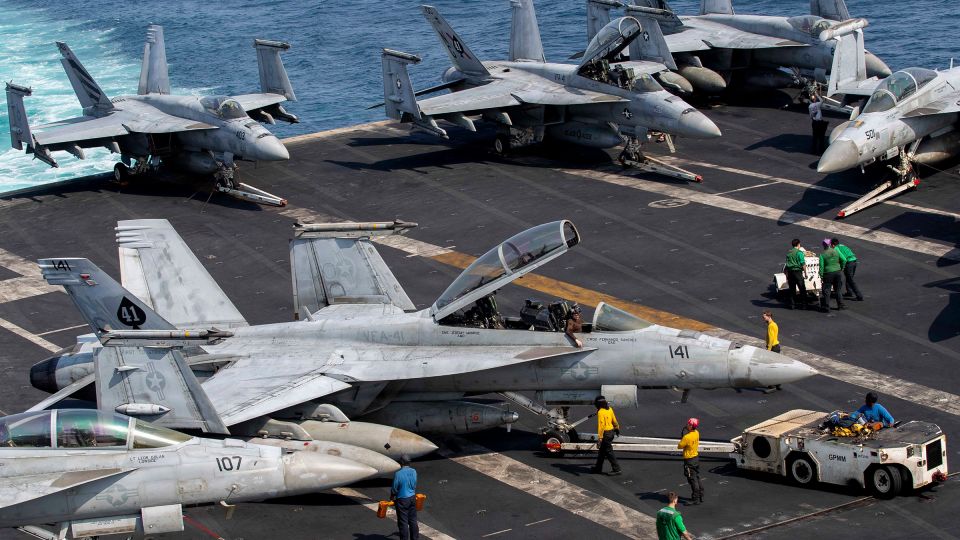
The Administration’s Argument: The Ceasefire Loophole
Defense Secretary Pete Hegseth and other administration officials have maintained a controversial stance: that a ceasefire period effectively “pauses” the 60-day clock. By claiming that hostilities effectively terminated on April 7 due to a mutual agreement between the U.S. and Iran, the White House suggests the legal requirement for congressional approval has been nullified.
Congressional Skepticism
Many lawmakers, including bipartisan voices like Sen. Susan Collins and Sen. Adam Schiff, reject this interpretation. They argue that the law does not provide for “pauses” based on informal ceasefires. For these legislators, the clock is not merely a suggestion—it is a mandatory constitutional checkpoint that requires the president to either obtain an Authorization for Use of Military Force (AUMF) or withdraw troops.
The Constitutional Tug-of-War
The debate over the Iran conflict has exposed deep fissures in how Washington views the separation of powers. While some Republicans in the Senate are hesitant to challenge a president of their own party, others are beginning to assert that the legislative branch must fulfill its constitutional duty.
The Role of the AUMF
An AUMF is the primary tool Congress uses to authorize military action. Without it, the president is effectively engaging in a war of choice rather than a war of necessity. Critics of the current administration argue that the lack of an imminent threat at the start of the conflict makes the military engagement legally dubious from the outset.
Bipartisan Frustration
The failure of multiple Senate votes to force a debate on the war has left many, such as Sen. Lisa Murkowski, frustrated. Murkowski has explicitly warned that if the administration fails to provide a “credible plan” for the conflict, she will introduce her own measure to force a vote. This signals that even among the president’s party, there is growing anxiety regarding the lack of a defined exit strategy.
Key Legislative Perspectives
The “Extension” Camp: Some senators, like Mike Rounds, believe the president has the statutory right to request a 30-day extension to ensure the safety of service members during a potential withdrawal.
The “Accountability” Camp: Senators like Adam Schiff and Tim Kaine argue that the 30-day extension is not automatic and requires specific criteria that the current administration has failed to meet.
- The “Constitutionalists”: Lawmakers like Rand Paul and Susan Collins emphasize that the Founders intended for Congress—not the executive—to hold the power to declare war, regardless of political convenience.
Why This Matters for 2026 and Beyond
The current stalemate is more than a technical dispute over dates; it is a fundamental test of American democracy. If the president can unilaterally define when a war “starts” and “stops” by citing ceasefires or claiming executive privilege, the War Powers Act effectively loses its teeth.
The Precedent of Executive Overreach
If the administration successfully bypasses Congress in this instance, it sets a dangerous precedent for future presidents. Future conflicts could be framed as “limited operations” to avoid the scrutiny of the legislative branch, further eroding the system of checks and balances that defines the U.S. government.
The Public Interest
The American people deserve to know why their tax dollars are funding a conflict and what the long-term goals are. When Congress fails to vote on an AUMF, it denies the public the transparency and debate that should accompany any decision to deploy troops into harm’s way.
Moving Toward a Resolution
As the Senate returns from its recess, the pressure will be on leadership to address the legal ambiguity. Senate Majority Leader John Thune currently holds the cards regarding which measures reach the floor, but the growing coalition of senators demanding accountability suggests that the status quo may be unsustainable.
Whether the resolution comes in the form of an AUMF, a forced withdrawal, or a Supreme Court intervention, the outcome will define the limits of presidential power for years to come. The “inflection point” mentioned by Sen. Josh Hawley is not just a political talking point—it is a defining moment for the constitutional structure of the United States.
Conclusion
The standoff over the Iran war deadline serves as a stark reminder of the fragility of the balance of power in Washington. While the administration points to tactical ceasefires to justify its actions, a growing number of lawmakers are reminding the White House that the Constitution is not subject to such creative interpretations.
As the 60-day mark passes, the eyes of the nation turn toward the Senate. Will they stand up for their constitutional responsibility to provide oversight, or will they continue to yield to the executive branch? The answer will determine not only the future of the Iran conflict but the health of American democracy itself.