Fact Check: Did Ukraine’s US Ambassador Steal Champagne During the White House Correspondents’ Dinner Shooting?

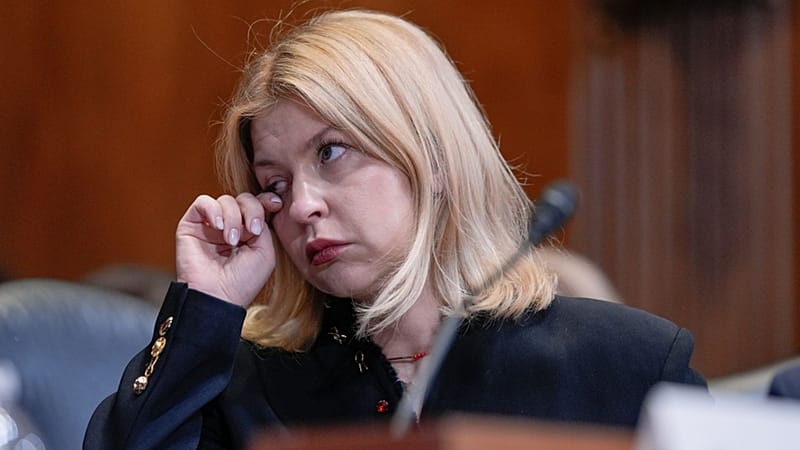
The internet is a breeding ground for rapid-fire misinformation, especially during moments of high-stakes national crisis. Following the harrowing security breach at the 2026 White House Correspondents’ Dinner (WHCD) on April 25, a viral video began circulating, alleging that Ukraine’s Ambassador to the U.S., Olha Stefanishyna, was caught on camera stealing bottles of wine and champagne from the evacuated ballroom. As the incident occurred amidst the chaos of an attempted assassination attempt against President Donald Trump, the footage gained massive traction. However, a rigorous investigation into the visual evidence, eyewitness accounts, and the ambassador’s own public record confirms that these claims are entirely baseless. This article will provide a fact check: Did Ukraine’s US ambassador steal champagne during White House dinner shooting?
Analyzing the Viral Claim: Origins and Disinformation
The narrative surfaced shortly after the Washington Hilton was placed on lockdown. Following the intervention of Secret Service agents who engaged a shooter—identified as Cole Tomas Allen—at the venue, the atmosphere was one of extreme panic. In the confusion, a video surfaced on various social media platforms, including Facebook and X, depicting a woman in a black fur coat and a dark slit dress gathering several bottles of alcohol from unattended tables. This video fueled the question: Fact check: Did Ukraine’s US ambassador steal champagne during White House dinner shooting?
Accounts known for spreading disinformation, such as Irakli Zakareishvili and Ирина Лагутина, were among the primary amplifiers of the clip. By attaching the name of a high-profile diplomat to the footage, these actors sought to delegitimize the Ukrainian envoy. The goal was twofold: to capitalize on the chaos of the security breach and to leverage pre-existing, unrelated legal controversies surrounding Stefanishyna to make the accusation seem plausible to an unsuspecting public.
The Evidence: Why the Identity Claim is False
To determine the truth, we must rely on visual verification and objective facts. The most compelling evidence lies in the stark contrast between the attire of the woman in the video and the outfit worn by Ambassador Stefanishyna during the event. This section provides a definitive fact check: Did Ukraine’s US ambassador steal champagne during White House dinner shooting?
- Outfit Discrepancy: The woman in the viral clip was filmed wearing a black fur coat paired with a black slit dress. In contrast, official photographic evidence from the dinner shows Ambassador Stefanishyna wearing a distinct, silver ruffled feather ensemble.
- Photographic Documentation: Stefanishyna shared photos of her attendance at the dinner on her official Facebook account before and after the incident. These images definitively place her in a completely different outfit than the person captured in the footage.
- Lack of Verification: Despite the hundreds of thousands of views the video received, no reputable news organization or investigative body has been able to identify the woman in the video as Stefanishyna. The claim relies entirely on the viewer’s willingness to accept a false caption without cross-referencing visual data. The evidence strongly refutes the claim: Fact check: Did Ukraine’s US ambassador steal champagne during White House dinner shooting?
Contextualizing the “Theft” Narrative
Even if one were to ignore the misidentification, the framing of the event as “theft” is logically flawed. The White House Correspondents’ Dinner is a ticketed, high-end gala where the cost of the meal and beverages is included in the price of admission. This context is crucial for understanding the full fact check: Did Ukraine’s US ambassador steal champagne during White House dinner shooting?
When the event was abruptly cancelled due to the gunfire, the ballroom was left in a state of disarray. Attendees were evacuated, and the venue was secured. Describing the act of taking wine bottles from a table at a private, pre-paid event—especially during an emergency evacuation—as “theft” is a gross exaggeration designed to incite outrage rather than report news. It is a classic example of “rage-baiting,” where a mundane or ambiguous action is reframed as a criminal or scandalous act to garner clicks and shares.
The Role of Pre-existing Corruption Allegations
It is important to note why this specific misinformation gained so much traction. Ambassador Stefanishyna is currently involved in a long-standing legal battle in Ukraine regarding the alleged misappropriation of 2.5 million Ukrainian hryvnia during her tenure at the Ministry of Justice between 2013 and 2014. These allegations were leveraged to lend false credibility to the question: Fact check: Did Ukraine’s US ambassador steal champagne during White House dinner shooting?
By linking the viral video to these ongoing corruption allegations, bad actors attempted to create a narrative of “consistent dishonesty.” Stefanishyna has consistently maintained her innocence, labeling the charges as politically motivated artifacts of a previous administration. By weaving these two separate threads together, those spreading the video hoped to make the false accusation of “champagne theft” appear as a continuation of her alleged past behavior.
The Reality of the 2026 WHCD Security Breach
The focus of the evening should have remained on the gravity of the security failure at the Washington Hilton. Cole Tomas Allen, the individual charged with the attempted assassination of President Donald Trump, managed to bypass a security barricade, leading to an exchange of fire with the Secret Service.
Presidential Security: President Trump and the First Lady were swiftly evacuated to safety.
Journalists’ Experience: Members of the press were forced to hide under tables while the room was locked down, creating a terrifying scene for those in attendance.
- Event Cancellation: The dinner, intended to be a celebration, was abandoned as the safety of the attendees became the sole priority of law enforcement.
The attempt to turn this serious national security incident into a tabloid scandal about a diplomat taking wine is a disservice to the gravity of the situation. It highlights the dangers of digital disinformation in an era where deepfakes and mislabeled videos can reach millions before a fact-check can be issued. This entire incident underscores the importance of a thorough fact check: Did Ukraine’s US ambassador steal champagne during White House dinner shooting?
Conclusion: Lessons in Digital Literacy
The viral claim that Ambassador Olha Stefanishyna stole champagne is a textbook case of disinformation. It utilizes a combination of visual misidentification, emotional manipulation, and the exploitation of unrelated political baggage to mislead the public. This article has aimed to provide a comprehensive fact check: Did Ukraine’s US ambassador steal champagne during White House dinner shooting?
As we navigate the information landscape of 2026, it is imperative that readers exercise caution. When a video appears to show a public figure in a compromising position, the first step should always be to cross-verify the visual details—such as clothing, context, and time—against official sources. In this instance, the facts are clear: the woman in the video is not the Ukrainian ambassador, and the accusations of theft are as hollow as the viral post itself.