The Dark History of Essa Suleiman: From Stabbing a Policeman to the Golders Green Terror Attack

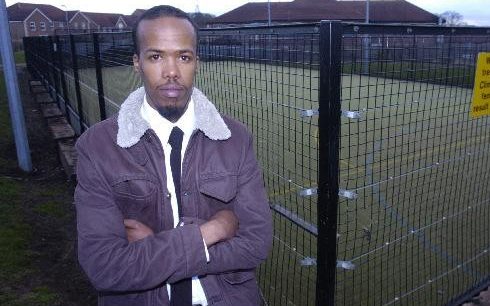
The tranquility of Golders Green, a cornerstone of London’s Jewish community, was shattered by a chilling act of violence that has once again placed Britain’s counter-terrorism strategies under the microscope. As we look back from the perspective of 2026, the case of Essa Suleiman remains a harrowing reminder of the complexities surrounding violent reoffenders, systemic failures in the “Prevent” programme, and the rising tide of anti-Semitism.
The suspect, identified as 45-year-old Essa Suleiman, is not a new name to the British judicial system. His history is a roadmap of missed warnings and extreme violence, most notably an incident nearly two decades ago involving the brutal stabbing of a police officer and a courageous service dog.
The Golders Green Incident: A Community in Shock
On a Wednesday morning that began like any other, the peace of North London was broken. Shloime Rand, 34, and Moshe Ben Baila, 76, were targeted in what has been described as a pre-meditated anti-Semitic terror attack. The victims were stabbed shortly after leaving a synagogue, a place of worship that should have been a sanctuary.
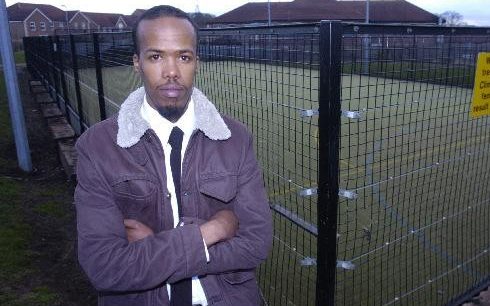
Rand, who later described his survival as a “very big miracle,” was teaching at the synagogue just moments before the encounter. The swift response from Shomrim, the Jewish community’s voluntary security group, alongside the Metropolitan Police, led to the arrest of Suleiman. He was Tasered while still carrying a knife, ending a three-hour window of terror that began elsewhere in the city.
Exclusive: The Violent Legacy of Essa Suleiman
To understand the gravity of the Golders Green attack, one must look back to 2008. Long before he was a suspect in a terror investigation, Suleiman was a convicted violent offender.
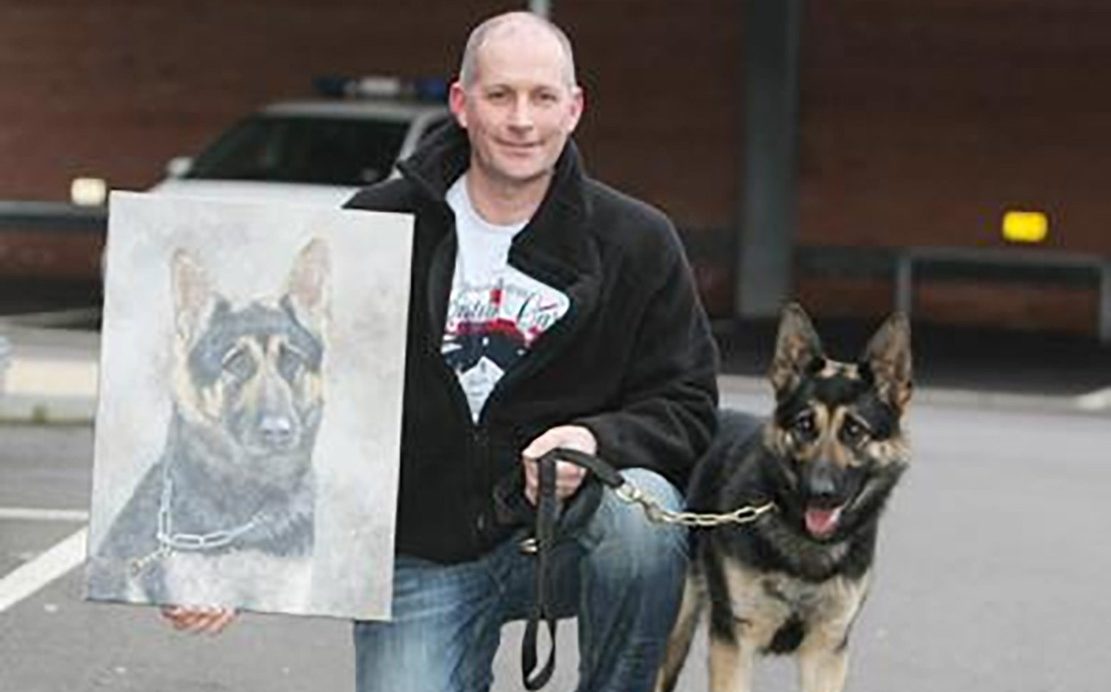
In a violent altercation in Swindon, Suleiman—then 27—attacked PC Neil Sampson. The officer was responding to reports of a knife incident when Suleiman set upon him with a bread knife. The assault was relentless; PC Sampson was stabbed in the head, face, and leg. When the officer’s loyal police dog, Anya, attempted to defend her handler, Suleiman turned the blade on her, stabbing the canine in the chest.
The IPP Sentence: Why Was He Free?
Following the 2008 attack, a judge handed Suleiman an Imprisonment for Public Protection (IPP) sentence. This specific type of sentence meant he was to be detained indefinitely and only released when he was no longer deemed a threat to the public.
At the time, Andy Marsh, then the assistant chief constable of Wiltshire Police, stated, “He won’t be released until someone doesn’t think he is a threat to the public anymore.” The fact that Suleiman was on the streets in 2024 to carry out the Golders Green attack has sparked fierce debate in 2026 regarding the efficacy of parole boards and the monitoring of high-risk individuals.
The Timeline of a Manhunt: A Three-Hour Window
Investigations revealed that the Golders Green attack was not Suleiman’s only violent act that day. Hours earlier, at approximately 8:50 AM, police were called to Great Dover Street in Southwark. Suleiman had been involved in an altercation inside a property, leaving one occupant with minor injuries.
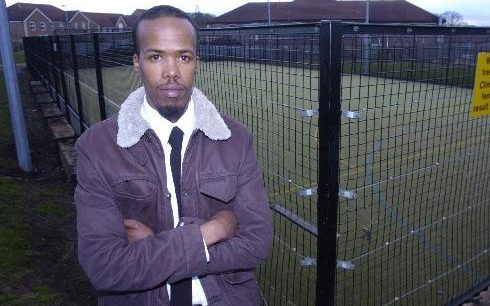
Despite police arriving within six minutes, Suleiman had already fled. For nearly three hours, a dangerous man with a history of stabbing law enforcement was loose in London. By 11:16 AM, he had traveled eight miles to Golders Green to carry out his next assault. This “manhunt gap” has become a focal point for critics of the Metropolitan Police’s rapid-response protocols.
Analysis: The Failure of the Prevent Programme
One of the most disturbing revelations in the aftermath of the attack was Suleiman’s prior contact with the government’s Prevent programme. In 2020, while serving a custodial sentence, Suleiman was referred to the counter-extremism initiative. However, his case was closed later that same year.
This raises critical questions:
Assessment Criteria: How was a man with a documented history of extreme violence and mental health issues cleared by Prevent?
Ideological Shift: Reports from the Campaign Against Antisemitism suggest Suleiman had been seen at vigils for hostages, where he was verbally and physically abusive toward Jewish people.
The Interpreter Connection: In a bizarre twist of fate, it emerged that before his 2008 conviction, Suleiman actually worked as a Somali interpreter for the Metropolitan Police. This intimate knowledge of police procedures may have played a role in his ability to evade capture for hours.

The Political and Social Fallout
The Golders Green attack did more than just injure two men; it shifted the national security landscape. Following the incident, the Joint Terrorism Analysis Centre (JTAC) raised Britain’s terrorism threat level to “Severe,” meaning an attack is highly likely.
Pressure on the Government
Prime Minister Keir Starmer faced immediate backlash during his visit to Golders Green. Accused of “weakness” by international leaders and heckled by local residents, Starmer was forced to address the growing fear within the Jewish community.
The Prime Minister’s stance on prosecuting those who “venerate the murder of Jews” or call for the “globalisation of the Intifada” marked a turning point in UK hate speech enforcement. By 2026, these policies have led to a significant increase in arrests related to extremist rhetoric at public demonstrations.
Life in the Shadows: Who was Essa Suleiman?
Those who lived near Suleiman in south-east London described a man who was “quiet” and “calm.” Support workers at his previous accommodation noted he had no visitors, no hobbies, and spent most of his time indoors drinking coffee.
This “lone wolf” profile—a man with a history of mental health struggles, a violent criminal past, and a sudden ideological radicalization—represents the greatest challenge for modern intelligence agencies. He was a man who lived in plain sight, yet remained invisible to the systems designed to stop him.
Conclusion: Lessons for 2026 and Beyond
The case of Essa Suleiman is a tragedy of missed opportunities. From the 2008 stabbing of PC Sampson to the 2020 Prevent referral, the system had multiple chances to intervene. As the Jewish community in Golders Green continues to heal, the broader UK public demands better.
The legacy of this attack has resulted in stricter monitoring of IPP-released individuals and a complete overhaul of the Prevent programme’s assessment metrics. If there is any silver lining to the events in Golders Green, it is the renewed commitment to ensuring that “public protection” is more than just a legal phrase—it is a lived reality.
This article provides an in-depth look at the 2024 Golders Green attack and its subsequent impact on UK policy as viewed from 2026. For real-time updates on legal proceedings, please refer to official judicial records.*