London Synagogues Bolster Defenses: Preparing for Chemical and Terror Threats in 2026

The landscape of community safety in London has shifted dramatically in 2026. As the Jewish community faces an unprecedented surge in antisemitic incidents, synagogues across the capital are moving beyond traditional security measures. In a sobering development, many places of worship are now equipping themselves to withstand potential chemical or biological attacks, marking a grim escalation in the protective measures required to keep worshippers safe.
This strategic pivot follows a string of violent incidents, including targeted arson attacks and high-profile stabbings, which have shaken the foundations of London’s Jewish community. With government officials and MPs sounding the alarm on the growing influence of hostile state actors, the question is no longer just about preventing vandalism—it is about surviving large-scale terror.
A New Era of Security: Why Chemical Defense?
For years, Jewish communal security—largely coordinated by organizations like the CST—focused on physical perimeter hardening, such as CCTV, bollards, and security guards. However, recent intelligence has forced a re-evaluation of these protocols. Conservative MP David Simmonds, chair of the All-Party Parliamentary Group on British Jews, has been vocal about the changing nature of the threat.
“As a result of countries like Iran and online radicalisation, access to chemical and biological weapons is becoming easier,” Simmonds recently warned. The fear is that the threat profile has moved from localized hate crimes to sophisticated, potentially state-sponsored, large-scale terror operations.
What the New Safety Measures Entail
To mitigate these risks, synagogues are now implementing a multi-layered defense strategy designed to handle atmospheric threats:
Sealing Protocols: Specialized modifications are being made to doors and windows to prevent the ingress of toxic gases or airborne substances.
Emergency Kits: Synagogues have been supplied with medical kits specifically designed to treat chemical exposure, alongside advanced trauma gear to stem heavy bleeding during a potential attack.
- Staff Training: Volunteers and security personnel are undergoing intensive drills on how to lockdown buildings rapidly and assist congregants during a chemical release.
The Escalating Threat: From Arson to Stabbing
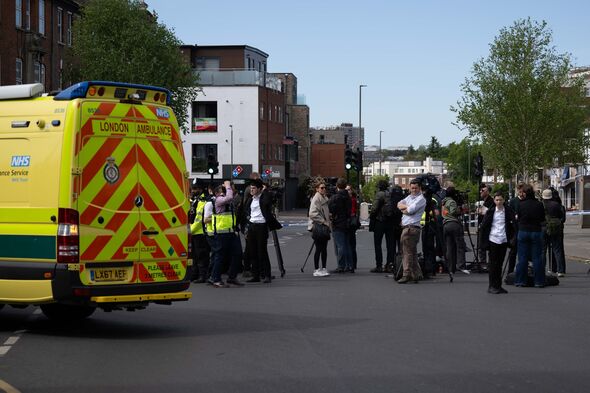
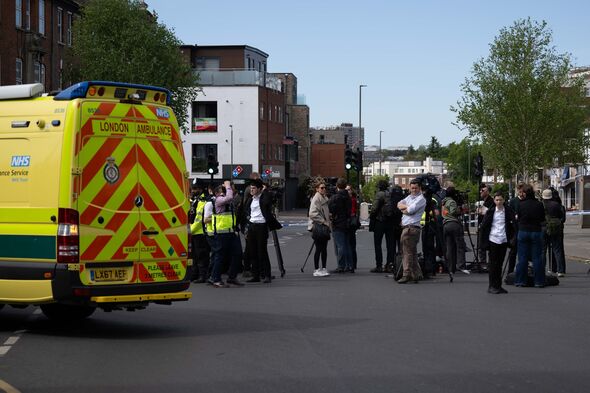
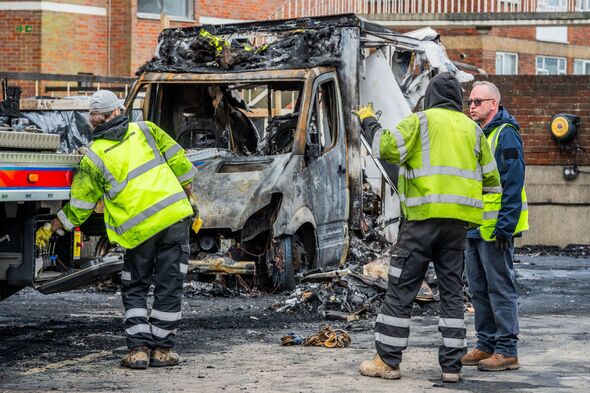
The urgency behind these measures is not theoretical; it is a direct response to a series of chilling events. In recent months, London has witnessed a disturbing pattern of violence. From the arson attacks on multiple synagogues in Kenton and Finchley to the targeted stabbing of two Jewish men in Highfield Avenue, the community has felt the weight of a sustained campaign of intimidation.
The stabbing incident, which left a 34-year-old and a 76-year-old hospitalized, was particularly harrowing. It served as a stark reminder that the threat is not just against buildings, but against individuals going about their daily lives.
Investigating State-Sponsored Terrorism
One of the most concerning aspects of the current security climate is the investigation into potential Iranian involvement. Counter-terrorism units are currently probing reports that “thugs for hire” may be receiving funding from foreign actors to carry out arson attacks. If proven, this would represent a massive escalation in the threat level, shifting the focus from lone-wolf radicalization to organized, state-backed sabotage.
Security Minister Dan Jarvis has described the situation as “an absolute point of challenge,” confirming that the government is rushing through new legislation to proscribe state actors who threaten the UK.
Government Response and Funding
In response to the mounting pressure, the UK government has pledged an additional £25 million in funding to bolster the security of the Jewish community. This financial injection is intended to bridge the gap between current defensive capabilities and the requirements of an increasingly dangerous environment.
However, many community leaders argue that money alone is not enough. There is a broad call for more robust intelligence-sharing between the police and religious institutions. As Sir Mark Rowley, the Met Police Chief, has frequently noted, the success of neighborhood policing relies on both funding and actionable intelligence.

The “Dirty Bomb” Fear
Beyond the immediate threat of gas attacks, there is growing anxiety regarding the security of civilian sites where nuclear material is stored. Experts have warned that such sites must be hardened to prevent the construction of a “dirty bomb.” While this sounds like a plot from a thriller novel, for the security services in 2026, it is a legitimate scenario that requires rigorous planning and oversight.
Analysis: The Psychological Impact on the Community
The need to install gas seals and chemical trauma kits in a place of worship is a profound tragedy. For many, the synagogue is a sanctuary, a place of peace and community. The fact that this space must now be treated as a potential battlefield highlights the deep-seated trauma that antisemitism continues to inflict on Londoners.
Despite the fear, the resilience of the community remains evident. As Phil Rosenberg, president of the Board of Deputies, has indicated, the community is determined to maintain its way of life despite the threats. The goal of these security measures is not to hide, but to ensure that the community can continue to gather safely under the protection of both the law and proactive defense.
Conclusion: A Call for Vigilance
As we move through 2026, the situation in London serves as a cautionary tale for major cities worldwide. The intersection of online radicalization, foreign state interference, and domestic hate crime has created a volatile environment.
While the Metropolitan Police and the government are taking steps to address these threats—through increased funding, new legislation, and visible policing—the responsibility for security now rests on the shoulders of the entire community. Staying informed, reporting suspicious activity, and supporting communal security initiatives are the most effective ways to push back against those who seek to spread terror in the heart of our capital.