Military Recruitment Crisis: Why Basic Training Pass Rates Are Plummeting in 2026

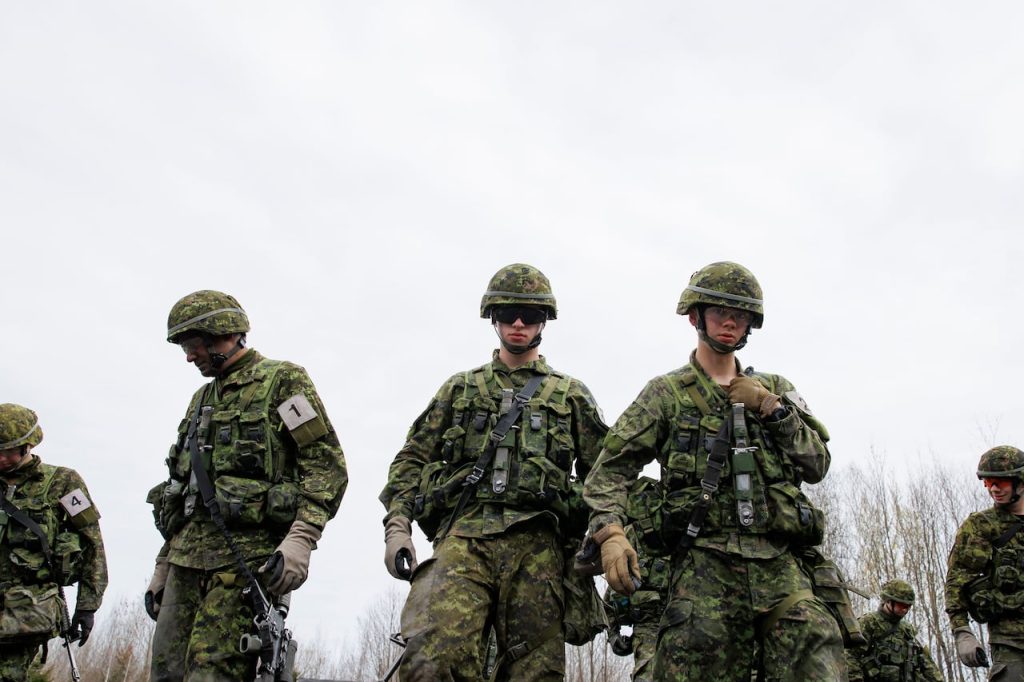
The Canadian Armed Forces (CAF) has long prided itself on the rigorous standards of its basic training programs. However, as of 2026, a shadow has been cast over these achievements. A leaked internal report from the Canadian Forces Leadership and Recruit School (CFLRS) has revealed a concerning trend: basic training pass rates have dropped significantly, falling to 77 percent in 2025 compared to the 85 percent success rate recorded just the year prior.
This decline is not merely a statistical anomaly. It is the direct consequence of aggressive policy shifts aimed at solving a long-standing personnel shortage. By relaxing medical requirements and opening doors to permanent residents, the military intended to bolster its ranks. Instead, the institution is now grappling with “significant friction” as it attempts to integrate a more diverse, yet often unprepared, pool of recruits.
The Cost of Rapid Expansion: A Look at the Data
The 15-page internal evaluation, authored by Lt.-Col. Marc Kieley, commandant of the CFLRS, serves as a wake-up call for defense officials. While the military recently celebrated its most successful recruitment period in three decades—largely fueled by the enlistment of 1,400 permanent residents—the human cost of this volume-first approach is becoming impossible to ignore.
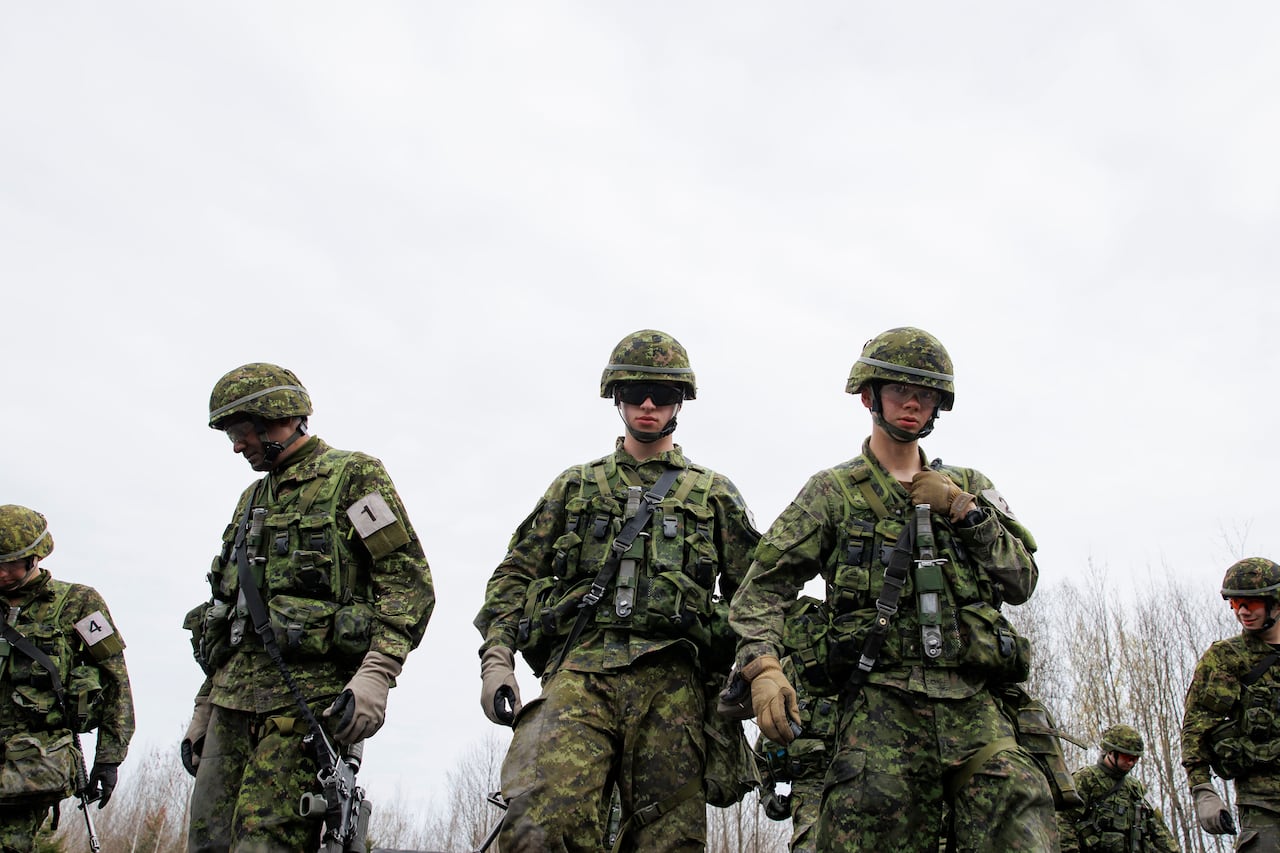
Key Findings from the Leaked Report:
Declining Success: The graduation rate plummeted from 85% in 2024 to 77% in 2025.
Multiple Attempts: The percentage of candidates requiring multiple attempts to graduate jumped from 8.44% to nearly 15%.
Mental Health Struggles: A “dramatic increase” in recruits presenting with anxiety and other mental health conditions has overwhelmed local support services.
Cultural Friction: Units with high concentrations of new arrivals reported significant difficulties in adapting to Canadian military norms.
Mental Health and the “Hidden” Crisis
One of the most alarming aspects of the report is the psychological toll on the incoming class. Lt.-Col. Kieley noted that an overwhelming number of recruits are entering the service without disclosing pre-existing mental health challenges.
The report highlights that 92 recruits required multiple visits to external hospitals or clinics for urgent care. Furthermore, local suicide crisis centers are reportedly operating at full capacity due to the influx of distressed trainees. This suggests a failure in the initial screening process. By removing aptitude tests and loosening medical waivers, the military has inadvertently created a pipeline for individuals who are not psychologically equipped for the high-stress environment of basic training.
Cultural Integration and the Challenge of Diversity
In an effort to diversify the ranks, the CAF began accepting permanent residents with very limited time spent in Canada. While inclusivity is a goal for many modern militaries, the report indicates that the implementation has been flawed.
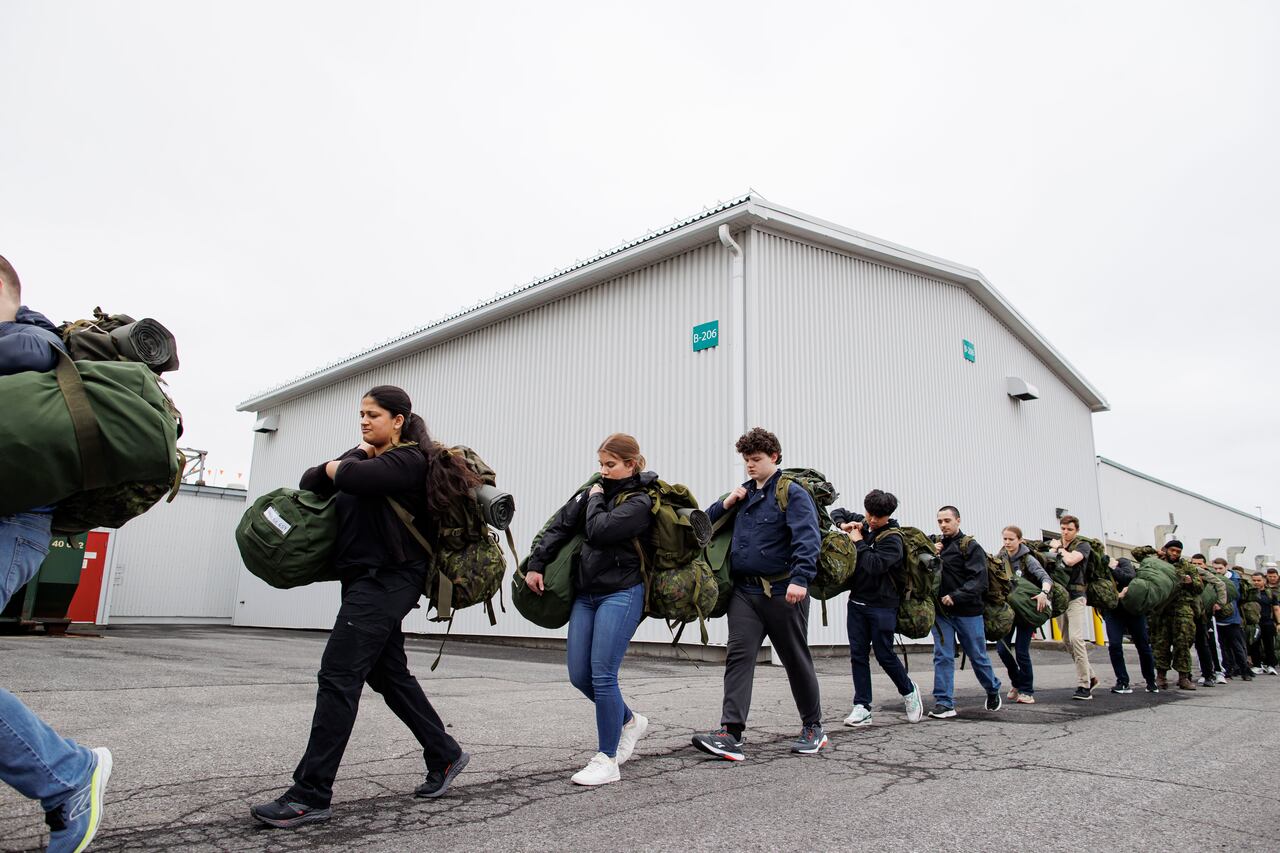
“These initial platoons were also made up of candidates with as little as three months residency in Canada,” the report states. This rapid transition led to profound culture shock. In one instance, a French-speaking unit consisting largely of new arrivals saw a graduation rate of only 48 percent.
The “Peer” Problem
The report explicitly points to instances of internal conflict, including allegations of racism and infighting between groups from different nations. Perhaps most critically, the document highlights a failure to align with Canadian social values within the training environment. Some recruits struggled with the requirement to treat women as their peers, a foundational aspect of the Canadian military’s modern professional ethos. This lack of “acclimatization” to Canadian society has created a toxic training environment that hinders the progress of all recruits in those platoons.
Is the “Quantity Over Quality” Strategy Backfiring?
The Canadian military is not alone in this struggle. Across the border, the U.S. Army has faced similar attrition crises, with nearly 25% of soldiers failing to complete their initial contracts since 2022. Both nations are discovering that when you lower the barrier to entry to meet numerical quotas, you often increase the burden on the training pipeline.
When 15% of your recruits require multiple attempts to pass, the training system becomes clogged. Instructors who should be focusing on advanced tactical proficiency are instead spending their time managing remedial training and mental health crises. This “friction” creates a downward spiral where the quality of instruction for everyone suffers, further driving down the success rate.
Moving Forward: Can the CAF Recover?
The recommendations from Lt.-Col. Kieley are clear: the military must exercise greater caution regarding the enrollment of candidates with pre-existing medical and mental health conditions. Furthermore, there is an urgent need for better integration programs for permanent residents. Simply placing them into a high-pressure environment without a bridge between their home culture and military culture is proving to be a recipe for failure.
Potential Solutions for 2026 and Beyond:
- Stricter Pre-Screening: Re-evaluating the waiver process for mental health history to ensure applicants are resilient enough for service.
- Cultural Orientation Programs: Implementing “pre-basic” modules that help new Canadians understand the expectations of the CAF, specifically regarding equality and professional conduct.
- Tiered Training: Allowing for a more flexible training timeline that accounts for the unique challenges faced by non-native candidates, rather than forcing them into a rigid, one-size-fits-all model that currently leads to high washout rates.
Conclusion: The Path to Sustainable Growth
The leaked report is a stark reminder that military strength is not just about the number of bodies in uniform; it is about the capability and cohesion of the force. While the Canadian Armed Forces have made significant strides in recruitment numbers, the cost in terms of training attrition and mental health strain is unsustainable.
If the military continues to prioritize quantity, it risks eroding the very standards that make its soldiers effective. To succeed in 2026 and beyond, the CAF must pivot from a policy of “just get them in the door” to a more holistic approach that ensures every recruit—regardless of background—is fully prepared for the rigors of service. The current “friction” is a warning sign that the foundation of the force is being tested, and it is time for leadership to prioritize quality over the allure of high enrollment numbers.