Escalating Tensions: Iran Warns US of “Long and Painful” Retaliation Amid Strait of Hormuz Standoff

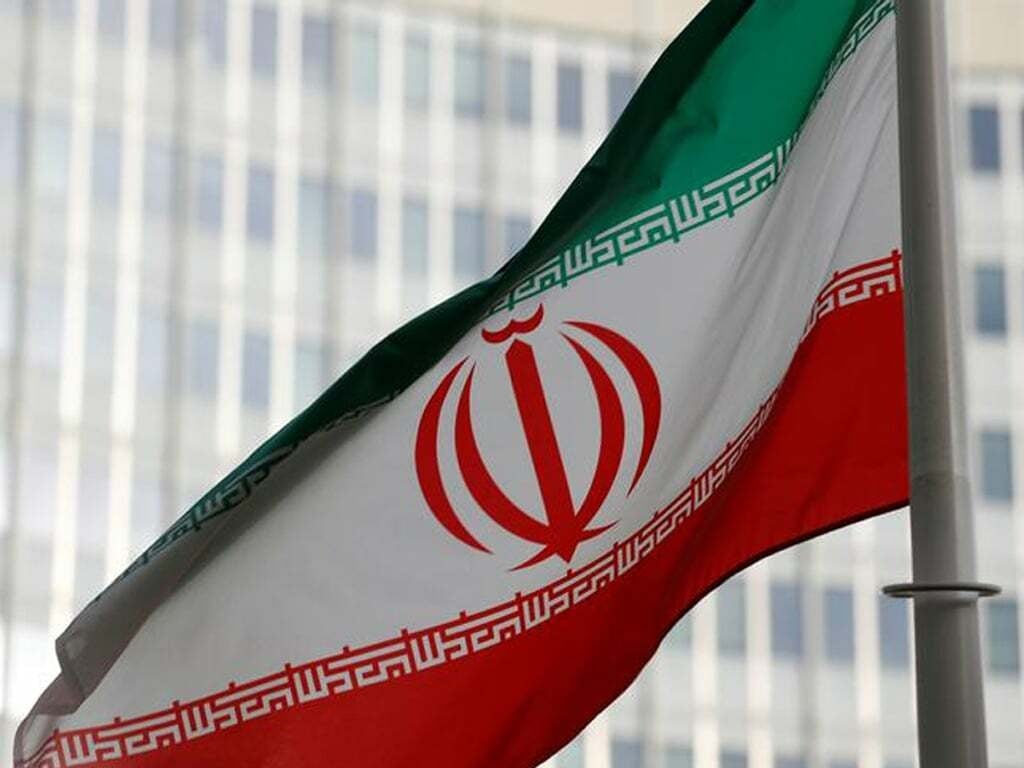
As of May 1, 2026, the geopolitical landscape in the Middle East has reached a critical boiling point. Following a series of high-stakes military maneuvers and diplomatic breakdowns, Tehran has issued a stern warning to Washington: any renewed military aggression will be met with “long and painful strikes” against United States positions throughout the Gulf region.
This latest declaration from the Islamic Revolutionary Guard Corps (IRGC) comes at a time when the world is watching the Strait of Hormuz with bated breath. As the primary artery for nearly 20% of the world’s daily oil and gas supply, the ongoing closure of this strategic waterway has sent shockwaves through global energy markets, threatening to derail the fragile economic recovery of 2026.
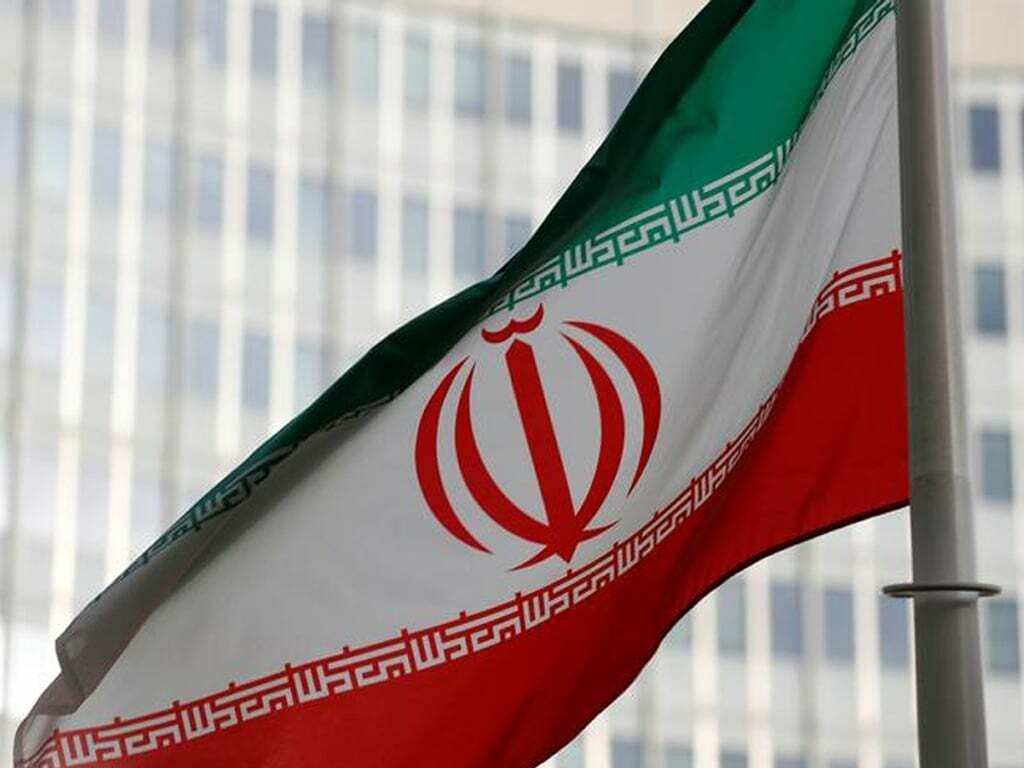
The Core of the Conflict: A Strategic Standoff
The current crisis is not merely a localized dispute; it is a systemic challenge to global economic stability. The Iranian leadership has made it clear that they view the presence of US naval forces near their territorial waters as an existential threat. By asserting control over the Strait of Hormuz, Tehran is leveraging its geographical advantage to force a response from the United States and its regional allies.
Why the Strait of Hormuz Matters
The Strait is the world’s most important oil transit chokepoint. With the waterway currently restricted, the global supply chain is facing unprecedented pressure.
Energy Inflation: Oil prices have surged to record highs in 2026, directly contributing to rising inflation rates in both developed and emerging economies.
Logistical Bottlenecks: Shipping companies are forced to reroute, increasing transit times and fuel costs.
- Economic Slowdown: Central banks worldwide are expressing concern that a prolonged closure could push the global economy into a recessionary period.
The IRGC’s “Painful” Warning: What It Means for US Bases
The statement issued by Iranian officials is significant not just for its rhetoric, but for its specificity. The Revolutionary Guards have explicitly stated that even limited strikes from the US military will trigger a sustained and comprehensive retaliation.
This doctrine suggests that Iran is moving away from proxy warfare toward a more direct confrontation strategy. By targeting US bases across the Middle East, Tehran aims to make the cost of intervention prohibitively high for the Washington administration. The message is clear: the era of surgical, low-cost military actions is over.
Military Posturing and Readiness
The US Department of Defense has been evaluating various military options, including the formation of a coalition-led maritime task force aimed at forcibly reopening the Strait of Hormuz. However, Iran’s recent buildup of anti-ship missile batteries and drone capabilities suggests that any such operation would be met with fierce resistance.
The Pentagon is currently navigating a delicate balance: maintaining a credible deterrent without triggering a full-scale regional war that could engulf the entire Middle East.
Diplomatic Stagnation and the Risk of Miscalculation
Despite back-channel communications and indirect negotiations, diplomatic efforts have effectively stalled. The communication gap between Washington and Tehran has widened, leaving room for dangerous miscalculations.
International bodies, including the United Nations, have urged all parties to practice extreme restraint. UN Secretary-General Guterres warned that the current impasse poses a “grave risk” to global poverty levels, as rising energy costs hit the most vulnerable populations the hardest.
The Role of International Actors
While the US seeks to build a coalition to secure the Strait, many regional powers are hesitant to join, fearing that they will become the primary targets of Iranian retaliation. This reluctance has left the United States in a difficult position, forcing them to consider whether to act unilaterally or continue the current policy of containment.
Economic Implications: A Global Perspective
The 2026 economic environment is uniquely susceptible to shocks. With many nations still recovering from the fiscal volatility of the early 2020s, the current energy crisis acts as a massive tax on growth.
- Supply Chain Disruption: Manufacturers are reporting shortages of critical components as shipping costs skyrocket.
- Consumer Sentiment: The uncertainty surrounding the conflict is dampening consumer confidence, leading to reduced spending.
- Investment Volatility: Equity markets are experiencing high levels of volatility, with investors moving capital toward “safe-haven” assets like gold and government bonds.
Conclusion: The Path Forward
As of May 2026, the situation remains fluid and highly dangerous. The threat of “long and painful” retaliation is a stark reminder that the Middle East remains a volatile theater where local conflicts have global consequences. Whether the current ceasefire holds or gives way to renewed hostilities will depend largely on the willingness of both Washington and Tehran to prioritize de-escalation over military posturing.
For now, the world remains in a state of high alert, waiting to see if diplomacy can reclaim the stage before the “painful” threats turn into a reality that no one can afford.