Spirit Airlines on the Brink: Trump’s Final Rescue Proposal and the Looming Shutdown

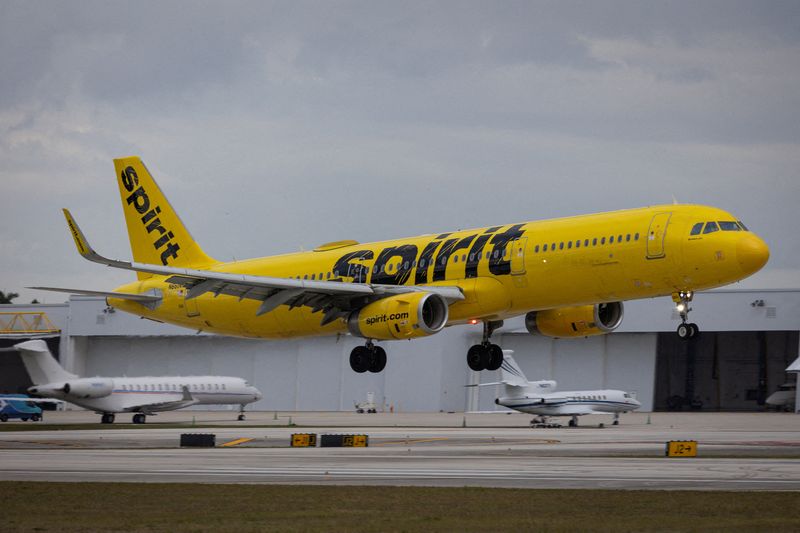
The aviation industry is currently holding its breath as one of America’s most recognizable low-cost carriers faces an existential crisis. As of May 2026, Spirit Airlines is teetering on the edge of a total shutdown, with the White House stepping in at the eleventh hour to offer what President Donald Trump has termed a “final rescue proposal.” This high-stakes drama involves a potential $500 million government bailout, complex negotiations with creditors, and the livelihoods of nearly 20,000 employees.
The State of Play: A Final Ultimatum
President Trump confirmed on Friday that his administration has extended a definitive offer to Spirit Airlines and its creditors. The proposal, designed to prevent the airline from ceasing operations, comes after weeks of intense back-and-forth discussions. However, the President was clear: the government is not looking for a handout, but a strategic investment.
“We’re looking at Spirit. If we can help them, we will, but we have to come first,” Trump told reporters. “If we could do it, we’d do it, but only if it’s a good deal.” This stance highlights the administration’s “America First” approach to corporate bailouts, focusing on taxpayer protection rather than unconditional support.
The Mechanics of the Rescue Deal
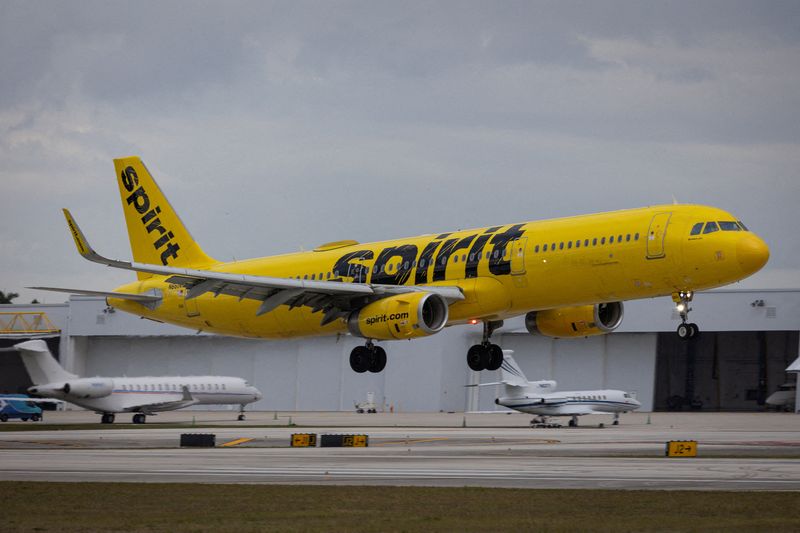
The proposed bailout, which has been the subject of fierce debate within the White House, involves a $500 million financing package. In exchange for this infusion of liquidity, the government is reportedly seeking warrants equivalent to 90% of Spirit’s equity.
Why the Deal is Controversial:
Equity Stake: Demanding 90% ownership essentially equates to a government takeover, which has caused friction among existing bondholders.
Internal Disagreement: Reports suggest that not all members of the administration were initially aligned on the necessity or the terms of this bailout.
- Creditor Impasse: Some bondholders have resisted the terms, viewing the dilution of their stakes as too steep, even in the face of total bankruptcy.
The “Perfect Storm”: Why Spirit is Failing
Spirit’s current predicament is not purely a result of mismanagement; it is the first major corporate casualty linked to the ongoing Iran war. The conflict has sent global energy markets into a tailspin, specifically impacting the price of jet fuel.
The Fuel Price Spike
Spirit’s turnaround plan, which was intended to steer the carrier out of its second bankruptcy, was built on conservative fuel estimates. The airline projected jet fuel costs at approximately $2.24 per gallon for 2026. However, by the end of April, those prices had surged to $4.51 a gallon—more than double the airline’s initial projections. This volatility effectively rendered their previous financial restructuring models obsolete.
Potential Impact on Travelers and the Industry
If Spirit fails to reach a deal and proceeds with a shutdown, the ripple effects across the U.S. travel sector will be immediate. Thousands of passengers could be left stranded, and the competitive landscape for budget travel would be permanently altered.
How Major Carriers are Preparing
In anticipation of a potential collapse, the White House has proactively engaged other major airlines. United Airlines and American Airlines have already announced their readiness to support displaced Spirit passengers. In a move to stabilize the market, American Airlines has also implemented fare caps on routes where it directly competes with the budget carrier, aiming to prevent price gouging during the transition.
The Human Cost
The Association of Flight Attendants, led by President Sara Nelson, has been vocal about the human stakes of this situation. With nearly 20,000 jobs on the line, Nelson has urged the administration to move quickly. “If you’re in charge POTUS, then make it happen now,” she stated on X, emphasizing that the time for negotiation is rapidly running out.
Market Reactions and Future Outlook
The stock market has reflected the volatility of the situation. Spirit’s shares have experienced a sharp decline, dropping 15% on Friday alone. Conversely, rival budget carriers have seen a boost in investor confidence, with Frontier Airlines rising 11% and JetBlue gaining 5%, as investors anticipate a potential market share grab should Spirit exit the skies.
Will the Deal Go Through?
As of now, the situation remains fluid. While Spirit has declined to comment on the specifics of the ongoing discussions, they maintain that they are operating as usual. However, the 3 a.m. ET Saturday deadline—initially floated by industry insiders—loomed large over the negotiations. Whether the government and the creditors can bridge the gap in time will define the future of the carrier.
Analysis: The Precedent of Government Intervention
This situation marks a significant moment in the intersection of national security, global conflict, and private industry. The fact that a regional conflict in the Middle East can directly threaten the bankruptcy exit of a U.S. airline illustrates the fragility of modern supply chains and energy reliance.
By demanding 90% of the equity, the Trump administration is signaling that if the federal government is to act as a lender of last resort, it expects to reap the long-term rewards of that risk. If the deal succeeds, it could set a new template for how the U.S. handles failing industries during geopolitical crises. If it fails, it serves as a stark reminder that even government support has its limits when market fundamentals are fundamentally broken.
Conclusion
The coming hours are critical for Spirit Airlines. As the White House awaits a response to its final proposal, the carrier’s future hangs in a delicate balance between total liquidation and a government-backed restructuring. For the 20,000 employees and the millions of passengers who rely on low-cost options, the outcome of these negotiations will have lasting consequences. Whether or not this “good deal” for the government can save the airline remains the defining question of the week.