The “Strait of Trump”: Geopolitical Branding or Strategic Posturing in 2026?

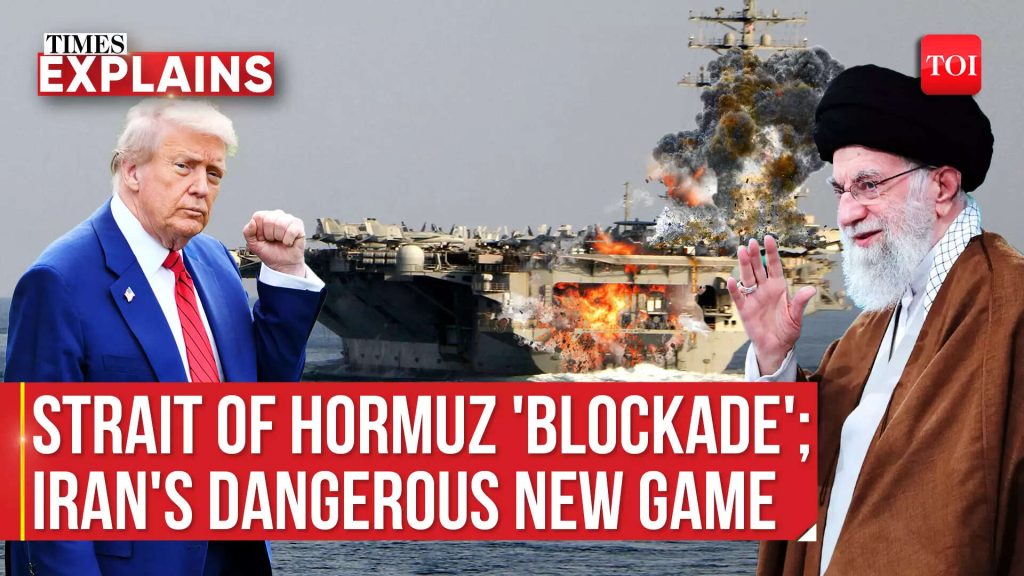
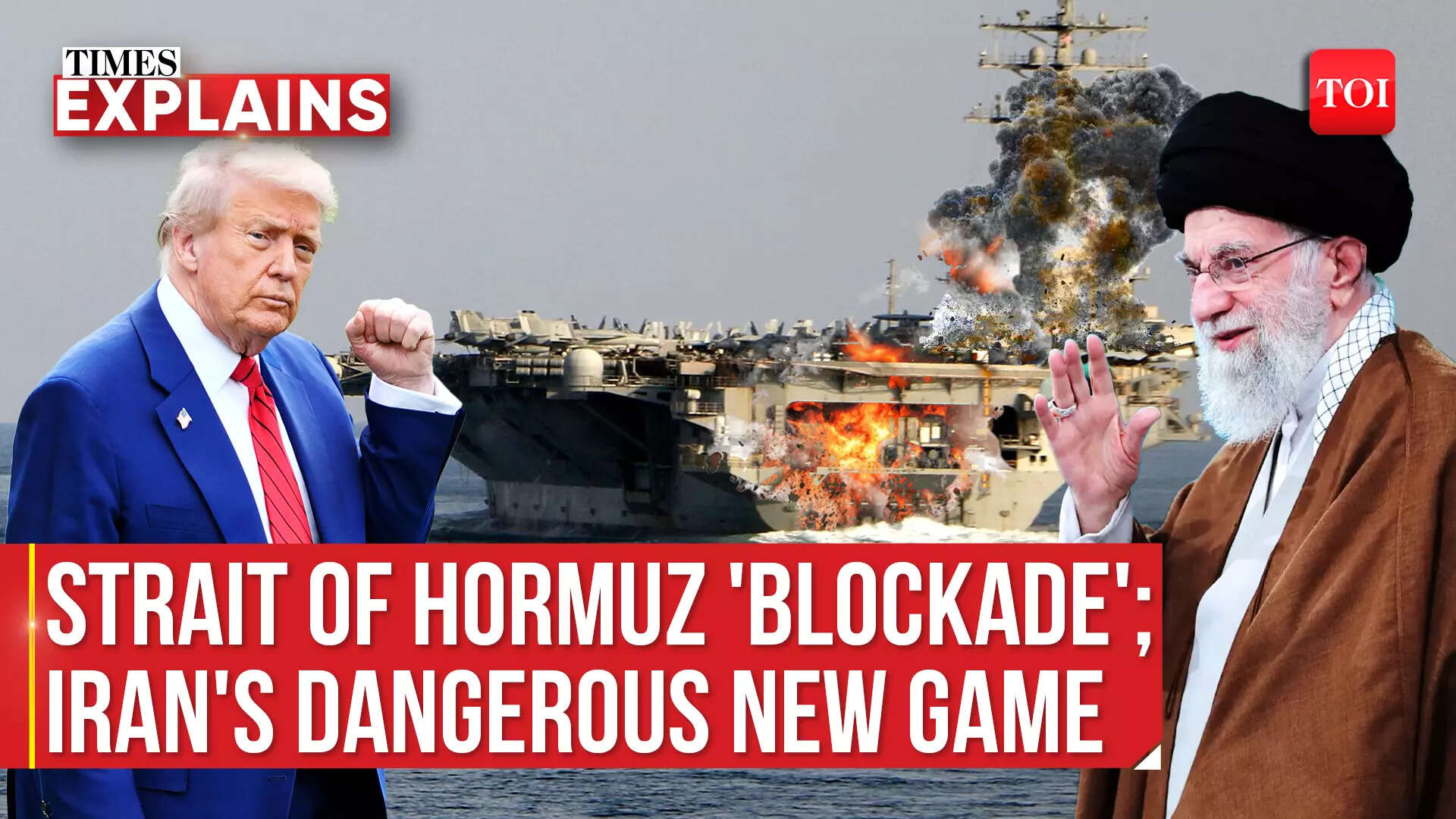
In the high-stakes theater of global diplomacy, few symbols carry as much weight as the Strait of Hormuz. As of early 2026, the narrow waterway—which serves as the world’s most critical maritime oil chokepoint—has become the center of a bizarre yet significant digital controversy. U.S. President Donald Trump recently ignited a firestorm of speculation after resharing a post on Truth Social that proposed renaming this vital artery the “Strait of Trump.”
While critics dismiss the gesture as performative rhetoric, the timing of the move is anything but coincidental. With global oil markets already on edge due to a prolonged U.S. blockade on Iranian exports and stalled nuclear negotiations, the symbolic renaming has sent ripples through both the political and economic spheres.
The Strategic Importance of the Strait of Hormuz
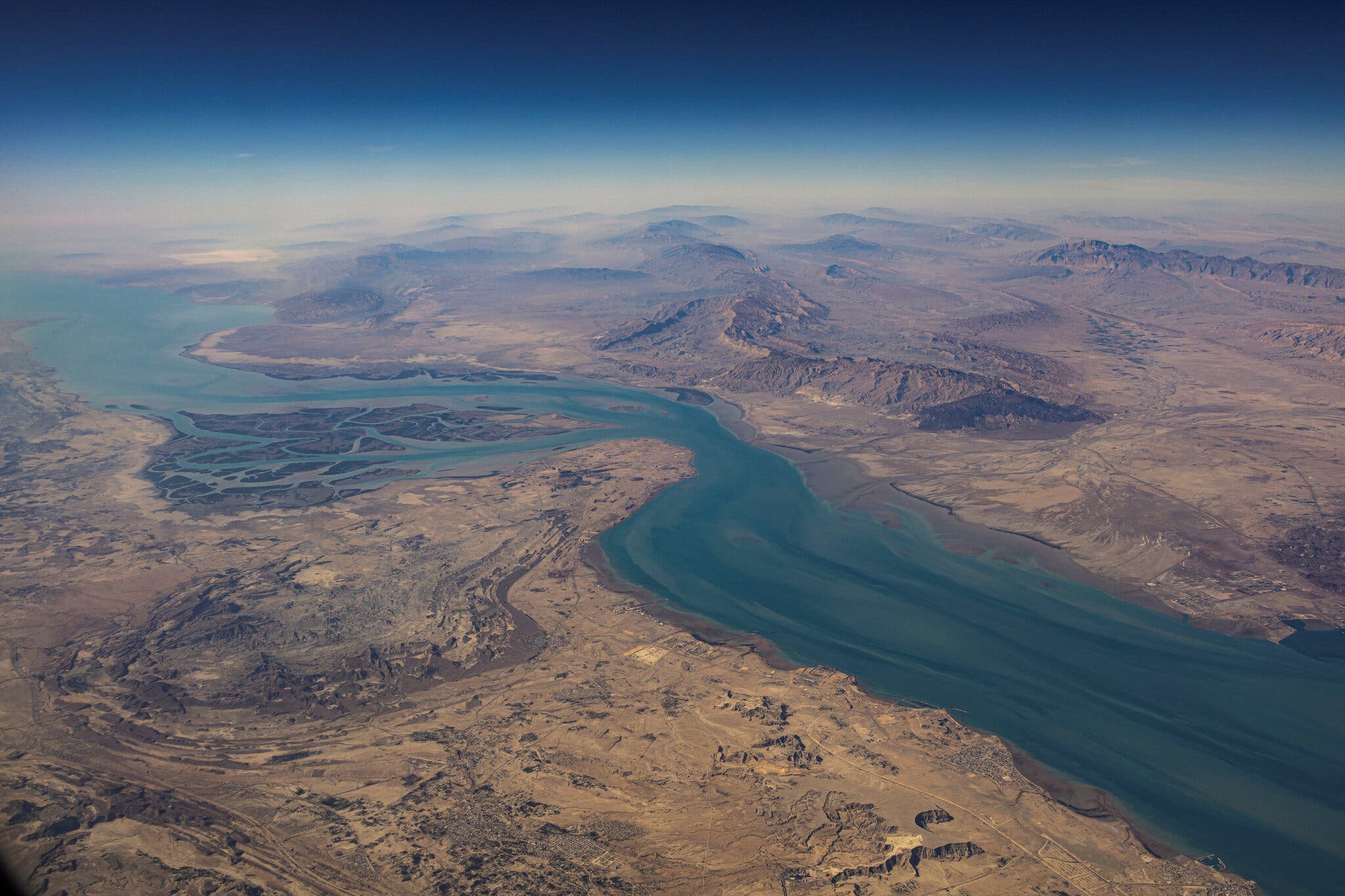
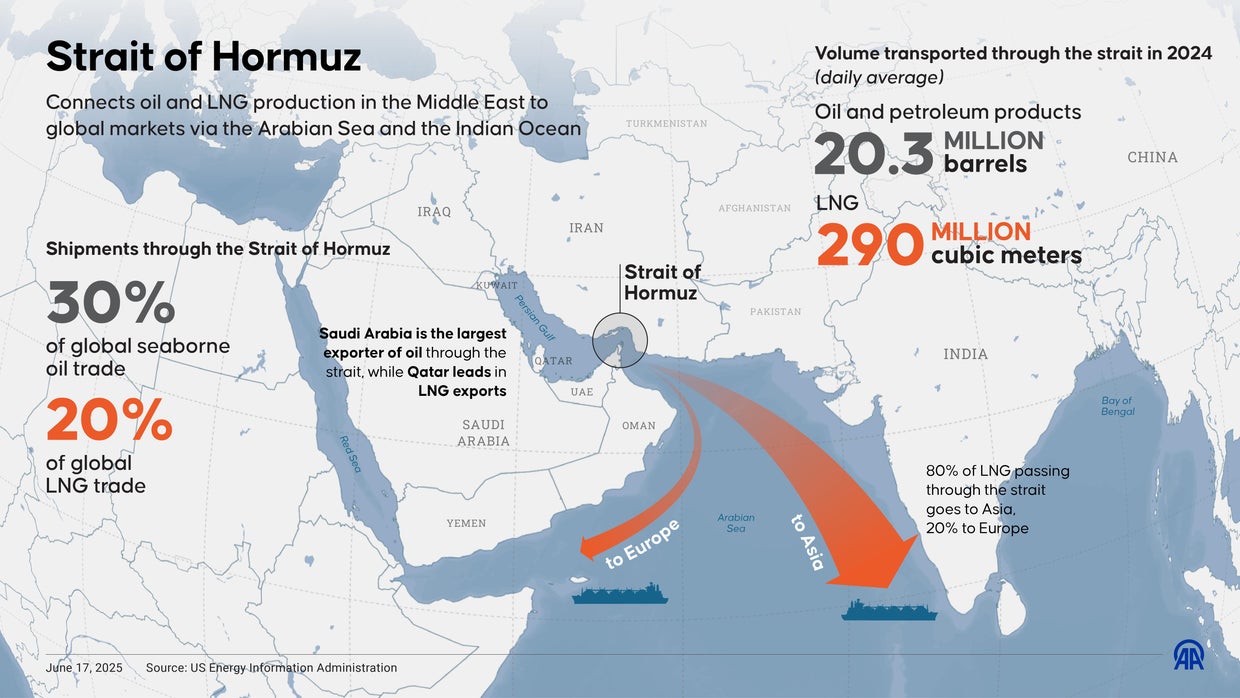
To understand why a simple social media post has caused such a stir, one must look at the geography. The Strait of Hormuz is the primary conduit for a significant percentage of the world’s daily crude oil supply. Connecting the Persian Gulf to the Gulf of Oman, it is the maritime equivalent of a jugular vein for the global economy.
For decades, the Strait has served as a focal point for international maritime security. Any disruption here—whether through military escalation, sanctions enforcement, or diplomatic brinkmanship—has an immediate impact on Brent crude prices. In 2026, with energy security concerns reaching a fever pitch, the “Strait of Trump” narrative is being viewed by some as an assertive play for maritime dominance in a volatile region.
Analyzing the “Strait of Trump” Narrative
The reshared post, which featured a map labeling the waterway under the President’s name, was more than just a viral moment. It echoed earlier, off-the-cuff remarks where President Trump suggested that Iran should “open up the Strait of Trump.”
Is it a Policy or a Provocation?
From a legal standpoint, the renaming is purely symbolic. International maritime law and long-standing conventions govern the naming and navigation of such waterways. However, in the context of 2026 foreign policy, the move serves several strategic purposes:
Signaling Strength: By asserting personal ownership over the narrative of the waterway, the administration is signaling to both allies and adversaries that the U.S. remains the primary arbiter of regional security.
Psychological Warfare: The renaming acts as a psychological lever against the Iranian leadership, challenging their historical influence over the Gulf.
- Domestic Messaging: It reinforces the President’s “America First” branding, appealing to a base that favors aggressive, unconventional diplomacy over traditional, cautious statecraft.
Market Jitters and Economic Fallout
The correlation between Trump’s rhetoric and the energy market is undeniable. Following the Truth Social post, oil prices saw a measurable uptick. Investors are nervous, and for good reason. The combination of a U.S. blockade and the President’s provocative renaming suggests that the path to a broader nuclear agreement is currently blocked.
When the President of the United States publicly claims a waterway, markets interpret it as a hardening of the status quo. If the “Strait of Trump” is the new reality, the likelihood of a diplomatic resolution to the current naval standoff seems to diminish, keeping supply chain anxieties elevated.
The Diplomatic Backlash
International reactions to the “Strait of Trump” have been predictably sharp. Regional powers and European allies have expressed concern that such rhetoric undermines the stability of international maritime law. Critics argue that by personalizing a global asset, the President risks alienating neutral parties who rely on the neutrality of the Strait for their energy security.
Furthermore, Iranian officials have used the rhetoric to rally domestic support, framing the U.S. stance as an act of imperialist overreach. This creates a feedback loop: Trump’s rhetoric fuels Iranian resistance, which in turn justifies a tougher U.S. stance, further tightening the chokepoint.
The Future of Maritime Security in 2026
Looking ahead, the situation remains fluid. As the U.S. continues to reject proposals to reopen the Strait until a wider nuclear deal is reached, the “Strait of Trump” may transition from a social media meme to a permanent fixture of geopolitical vocabulary.
Whether this leads to a breakthrough or a breakdown in negotiations remains to be seen. What is clear is that the administration is comfortable using unconventional communication channels to exert pressure, forcing the world to pay closer attention to the strategic realities of the Persian Gulf.
Summary of Key Takeaways
- Symbolic Power: The renaming, while not legally binding, serves as a potent tool for geopolitical signaling.
- Economic Impact: Rhetoric regarding the Strait continues to influence Brent crude prices and global energy market sentiment.
- Diplomatic Standoff: The move underscores the current impasse between Washington and Tehran, suggesting that a resolution is not on the immediate horizon.
In conclusion, while the “Strait of Trump” might sound like a branding exercise for the social media age, its implications are rooted in the harsh realities of 2026 energy politics. As the world watches, the intersection of digital influence and maritime dominance has never been more visible—or more volatile.