The Billion-Dollar Carrot: Why Canada’s Steel Giants Are Rejecting Trump’s Relocation Ultimatum

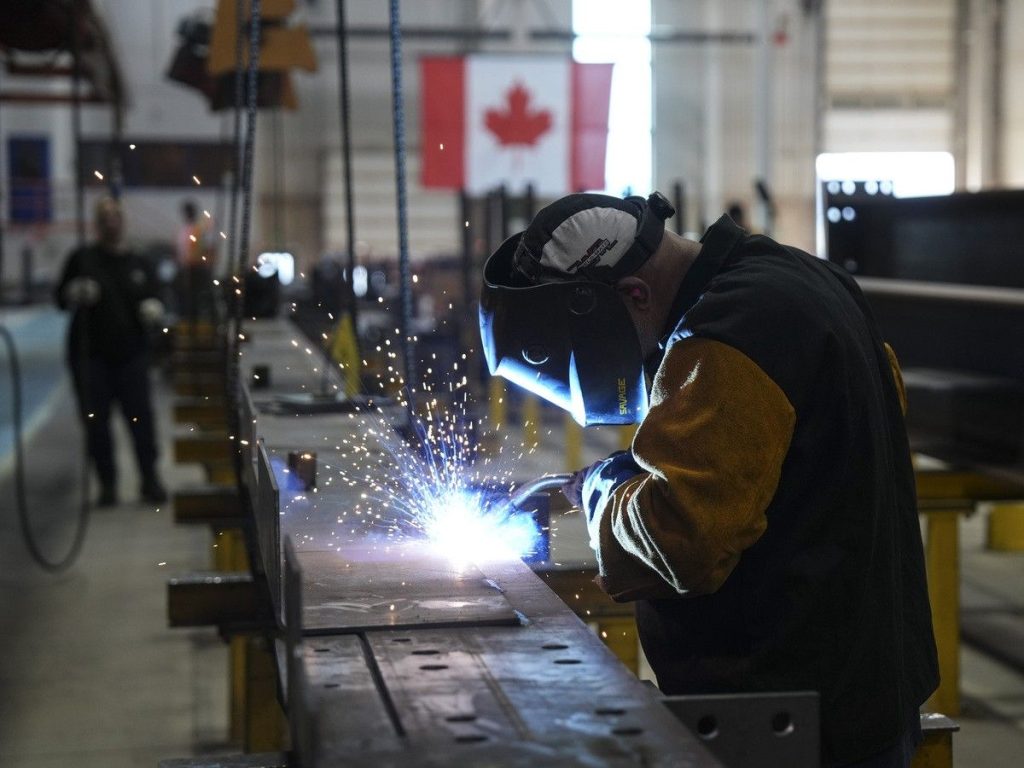
In the high-stakes arena of North American trade and international trade relations, the spring of 2026 has brought about a chilling ultimatum from Washington D.C. to the industrial heartlands of Ontario and Quebec. For Canadian steel and aluminum producers, the choice presented by U.S. President Donald Trump is stark: pay a crippling 50 per cent tariff on shipments or pack up your entire operation and move to America.
Dubbed the “billion-dollar carrot,” this offer of tariff relief in exchange for relocation has sent shockwaves through the global supply chain. However, as the dust settles on this latest protectionist maneuver, rooted in economic nationalism, the consensus from industry experts, economists, and the Canadian government is clear: The billion-dollar carrot: Why Canada won’t buy Trump’s steel relocation offer is becoming the prevailing sentiment.
The 50% Wall: Understanding the 2026 Tariff Landscape
The trade disputes that began simmering in 2018 reached a boiling point in late 2025. President Trump, doubling down on his “America First” agenda, increased Section 232 tariffs on Canadian steel and aluminum from their initial levels to a staggering 50 per cent.
Unlike previous iterations, these duties now apply to the full customs value of finished goods rather than just the raw metal content. This shift has effectively weaponized the cross-border supply chains, forcing vehicle makers and construction firms to absorb massive costs or look for domestic U.S. alternatives.
For Canadian exporters, the results have been devastating. Algoma Steel, a cornerstone of Sault Ste. Marie’s manufacturing sector, reported a staggering $365 million net loss in the final quarter of 2025. By December, the firm was forced to announce layoffs of approximately 1,000 employees, citing the dual pressure of tariffs and the costly transition to electric arc furnace production.
The “Carrot” That Smells Like a Trap
Earlier this month, the White House extended an olive branch—or so it seemed. This offer, which many now refer to as The billion-dollar carrot: Why Canada won’t buy Trump’s steel relocation offer, declared that Canadian producers could enjoy immediate tariff relief if they moved their production facilities onto U.S. soil.
While the offer is framed as “short-term relief,” trade watchers like Clark Packard, a research fellow at the Cato Institute, view it through a more cynical lens. “It’s almost like a Pyrrhic victory,” Packard noted. It reflects a zero-sum mindset where the U.S. only wins if its closest trading partner loses.
For a Canadian steelworker, this isn’t a “carrot” at all; it’s an invitation to watch their livelihood migrate south. Experts argue that the proposal is less about mutual prosperity and more about industrial poaching and a unilateral shift in industrial policy.
Why Relocation is a Multi-Billion Dollar Gamble
If the offer seems attractive on the surface, the logistical and economic reality of moving a steel mill is a nightmare. Here is why Canadian firms are staying put, making The billion-dollar carrot: Why Canada won’t buy Trump’s steel relocation offer a clear stance:
1. The Saturated U.S. Market
According to Jason Miller, a supply chain management professor at Michigan State University, the U.S. steel market is already nearing capacity. The American Iron and Steel Institute (AISI) reported that U.S. production hit a capability utilization rate of 77.8 per cent in early 2026, just shy of Trump’s 80 per cent national security target.
Adding Canadian capacity to this mix risks oversaturating the market, which would lead to a domestic price collapse. For a company to spend billions to move to a market where their product might lose value and global competitiveness is, as Miller puts it, a “multi-billion dollar gamble.” This risk further solidifies The billion-dollar carrot: Why Canada won’t buy Trump’s steel relocation offer as the rational choice for Canadian producers.
2. The Energy Crisis: Data Centres vs. Smelters
A significant and often overlooked barrier is the U.S. power grid. Aluminum and steel production are incredibly energy-intensive. Jamie Tronnes, executive director of the Center for North American Prosperity and Security, points out that the U.S. currently lacks the surplus electricity required for additional smelting.
The primary culprit? Artificial Intelligence and data centres. The explosive growth of digital infrastructure in the U.S. has claimed the lion’s share of the power grid, leaving little room for the massive energy draw of a relocated Canadian steel industry, a strategic industry for Canada.
3. Prohibitive Costs and Lead Times
Building a new smelter or steel plant isn’t like opening a new retail outlet. It requires:
Billions in capital expenditure.
Hundreds of millions in infrastructure upgrades.
- A five-year lead time to get capacity online.
“Nobody knows what aluminum tariffs are going to be in five years,” Miller warns. By the time a Canadian firm finished building a plant in the U.S., the political landscape could have shifted entirely, impacting foreign direct investment (FDI) and leaving them with a massive debt and no guaranteed tariff protection. Such uncertainties are central to understanding The billion-dollar carrot: Why Canada won’t buy Trump’s steel relocation offer.
Prime Minister Mark Carney’s “Buy Canada” Counter-Offensive
The Canadian political response has shifted under the leadership of Prime Minister Mark Carney. Rather than folding to the pressure, the Carney government has launched a robust defense of Canadian industry and economic sovereignty.
In April 2026, Carney announced a C$5 billion (US$3.6 billion) fund specifically designed to support tariff-hit industries. This was followed by a sweeping “Buy Canadian” mandate for all public sector procurement. Furthermore, Canada has prepared a $29.8 billion retaliatory tariff package aimed at U.S. goods, signaling that the “polite neighbor” era of trade has ended.
Carney has been vocal that Canada will not accept a trade deal at “any cost.” This stance has bolstered the resolve of industry leaders like Catherine Cobden, CEO of the Canadian Steel Producers Association, who remains skeptical of the U.S. relocation program’s accessibility and long-term viability. This strong government position underpins The billion-dollar carrot: Why Canada won’t buy Trump’s steel relocation offer, demonstrating a unified national front.
CUSMA 2026: The Ultimate Poker Game
Many analysts believe the relocation offer is a tactical “troll” or a bargaining chip intended for the upcoming CUSMA (Canada-United States-Mexico Agreement) review talks this summer. This strategic interpretation further explains The billion-dollar carrot: Why Canada won’t buy Trump’s steel relocation offer, as Canada sees through the ploy.
The U.S. may be using the threat of permanent industrial relocation to squeeze concessions out of Canada in other sectors, such as dairy or digital services. “Uncertainty is the enemy of investment,” says Clark Packard. By keeping Canadian firms in a state of perpetual flux, the U.S. maintains the upper hand in negotiations.
However, the strategy may backfire. Instead of moving, Canadian firms are diversifying their export markets and leaning into the federal support provided by the “Buy Canada” initiative. Ultimately, what was presented as a “carrot” is being seen for what it truly is: a stick painted orange, reinforcing the core message of The billion-dollar carrot: Why Canada won’t buy Trump’s steel relocation offer.
Conclusion: The Resilience of the North
The offer, aptly summarized by the phrase The billion-dollar carrot: Why Canada won’t buy Trump’s steel relocation offer, is a bold attempt to rewrite the rules of North American manufacturing. Yet, the sheer complexity of the steel industry—combined with U.S. energy constraints, market saturation, and Canadian political resilience—makes a mass exodus of production highly unlikely.
As we move further into 2026, the focus will shift from these “relocation gambles” to the negotiating tables of CUSMA. For now, Canadian steel and aluminum producers are choosing to weather the storm at home, betting that the long-term stability of their current operations outweighs the volatile promises of a protectionist neighbor, thereby embodying The billion-dollar carrot: Why Canada won’t buy Trump’s steel relocation offer.
The message from Hamilton to Sault Ste. Marie is clear: Canadian steel is forged in Canada, and it’s staying that way.