Canada’s First Generic Semaglutide Approval: What This Means for Your Wallet

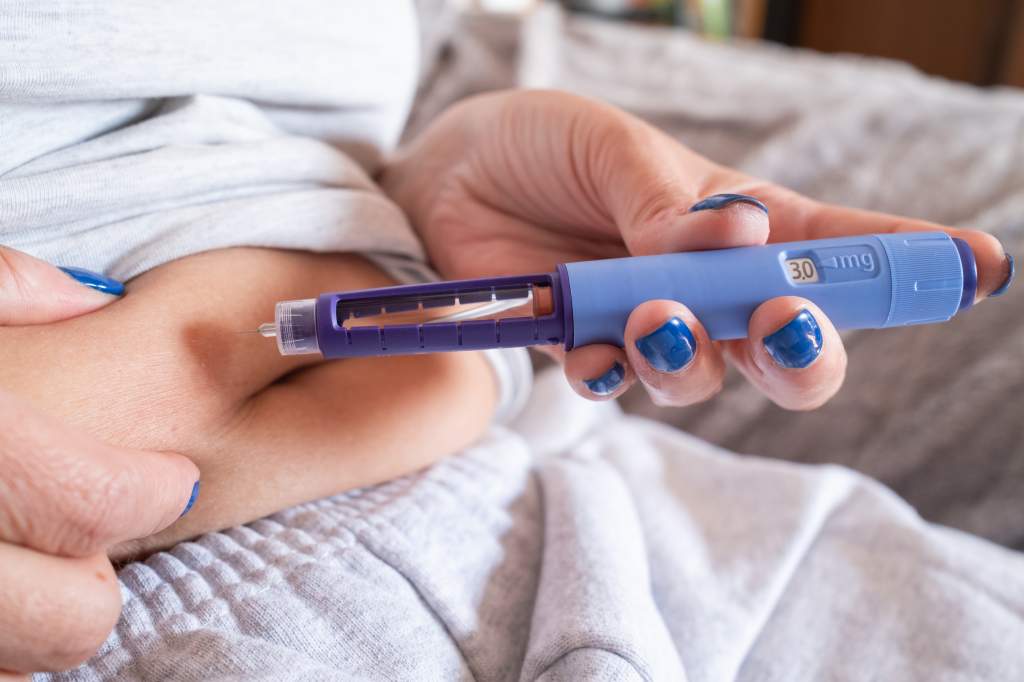
The landscape of diabetes and weight management treatment in Canada is undergoing a seismic shift. In a landmark move, Health Canada has officially approved the first generic version of semaglutide, the powerhouse medication behind the globally recognized Ozempic. This development marks Canada as the first G7 nation to greenlight a generic alternative to this highly sought-after GLP-1 receptor agonist.
As patients and healthcare providers navigate this new chapter in 2026, the primary question remains: how will this impact the cost of treatment? With brand-name medications often placing a significant financial burden on families and public health systems, the arrival of a generic competitor could be the catalyst for improved accessibility across the country.
Understanding the New Generic Semaglutide
The approved medication is manufactured by Dr. Reddy’s Laboratories, a prominent pharmaceutical company based in India. Known in its home market as Obeda, this injectable treatment is indicated for the once-a-week management of Type 2 diabetes in adults.
Dr. Hertzel Gertstein, a professor at McMaster University and a leading diabetes physician, emphasizes that patients should feel confident in the regulatory rigor behind this decision. “When Health Canada approves a generic version of a drug, they go through a very rigorous process,” Gertstein notes. The goal is to ensure the generic is chemically as close to the original as possible, offering an identical therapeutic effect for those managing chronic conditions.

The Economics of Generic Medications: A Cost Breakdown
For many Canadians, the cost of GLP-1 therapy has been a barrier to consistent treatment. Currently, brand-name options like Ozempic, Mounjaro, and Wegovy can range anywhere from $200 to $550 per month, depending on the province and the specific formulation.
How Much Will You Save?
According to the pricing structure established by the pan-Canadian Pharmaceutical Alliance (pCPA), the entry of a first generic version typically triggers a significant price reduction.
- First Generic Entry: Prices usually drop by 75 to 85 percent compared to the brand-name medication.
- Second Generic Entry: Once a second competitor enters the market, prices often fall to 50 percent of the original cost.
- Market Saturation: With three or more generics available, costs can plummet to roughly 35 percent of the original price.
Experts suggest that patients could see costs drop to the $40 to $80 per month range. This is a transformative decrease that could allow thousands of Canadians to maintain their treatment plans without the constant stress of financial strain.
The Challenges of Public Drug Plan Coverage
While the approval is a massive win for the pharmaceutical market, the transition to public drug plan coverage is not automatic. Dr. Gertstein clarifies that while Health Canada has given the federal “thumbs up,” the actual reimbursement depends on provincial ministries of health.
“It’s not a matter of just approving it,” Gertstein explains. “It depends on each provincial review of whether they include it as part of their drug benefits.” For instance, Ontario’s Drug Benefit (ODB) program may follow a different timeline than Manitoba or British Columbia. Patients are encouraged to monitor their specific provincial health bulletins to see when and if the generic version will be added to the formulary.
The Long-Term Health and Economic Perspective
Beyond the immediate savings for individuals, there is a compelling economic argument for the widespread adoption of generic semaglutide. Dana Small, a professor of neurology and neurosurgery at McGill University, argues that the cost-benefit analysis favors the entire healthcare system.
“I think it will overall benefit the health system by reducing costs related to obesity treatment and cardiovascular disease,” Small says. By preventing the chronic complications associated with Type 2 diabetes, the system effectively saves money on hospitalizations and emergency care. Investing in accessible, long-term maintenance of these conditions is a strategic move for public health.
Important Considerations for Patients
While the lower price point is an exciting development, medical professionals urge patients to approach these medications with a clear understanding of the commitment involved.
It’s a Long-Term Commitment
Semaglutide is not a “quick fix.” Research consistently shows that once a patient stops taking the medication, the benefits—such as glucose control and weight management—tend to dissipate. “The moment you stop taking it, everything goes back to the way it was,” Small warns. Patients should view this as a long-term therapeutic strategy rather than a temporary solution.
Consult Your Healthcare Team
Before switching to a generic, it is essential to have a detailed conversation with your doctor or endocrinologist. Even if the chemical composition is identical, individual responses to different delivery devices or inactive ingredients can vary. Ensure that your transition is monitored by a professional who can track your glucose levels and adjust dosages as necessary.
The Road Ahead
Health Canada has confirmed that eight other submissions for generic semaglutide are currently under review. This suggests that the Canadian market is poised to become highly competitive, which is excellent news for consumers. As more manufacturers enter the space, we can expect to see further price stabilization and, ideally, a broader expansion of insurance coverage.
In 2026, the conversation around semaglutide is shifting from “Is this available?” to “How can we make this sustainable for everyone?” With the introduction of Dr. Reddy’s generic option, Canada has taken a bold step toward democratizing access to life-altering medication. By reducing the financial burden, the healthcare system is not just saving money—it is empowering patients to take control of their long-term health with greater consistency and peace of mind.