Oil Futures Navigate Choppy Waters: Middle East Tensions Spark Volatility in 2026 Markets

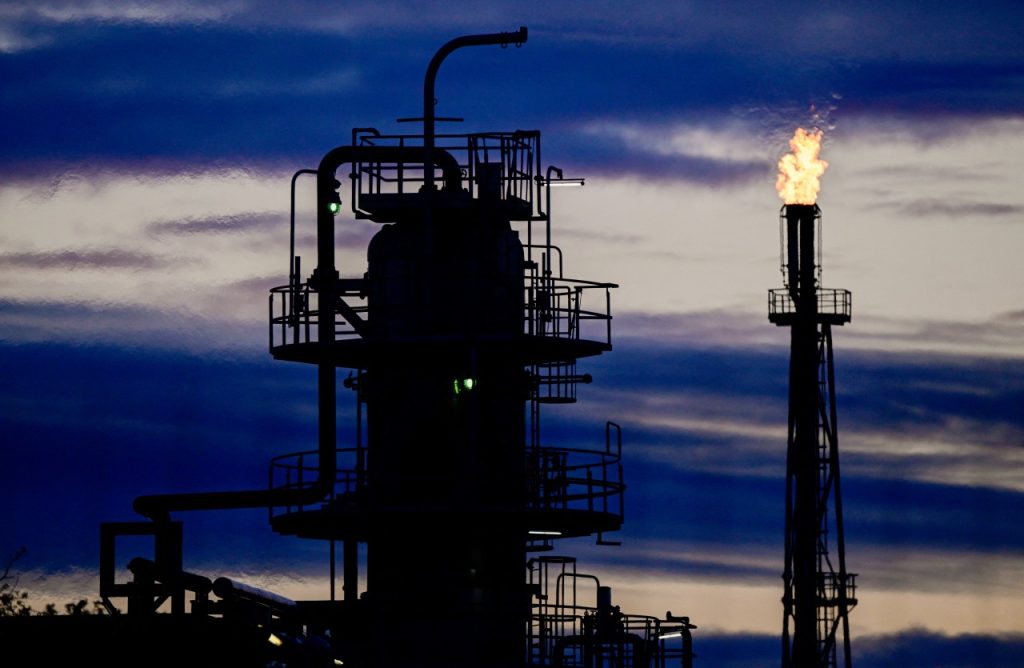
The global oil market in 2026 continues to be a dynamic arena, with oil futures pulling back in volatile trade on Middle East uncertainty. This recent price action underscores the persistent influence of geopolitical events on energy markets, demonstrating that even amidst technological advancements and shifting demand patterns, the specter of regional conflict can dramatically sway crude oil prices. Traders are meticulously dissecting every development, seeking to anticipate the next move in a complex geopolitical chess game.
The Middle East remains a pivotal fulcrum for global oil supply, and any sign of instability in this strategically vital region sends ripples across international markets. As of early U.S. trading, futures are showing a retreat from overnight surges, a clear indication of market apprehension. This pullback isn’t necessarily a sign of easing tensions, but rather a recalibration as traders digest the latest news and assess the potential duration and impact of ongoing uncertainties.
Navigating the Straits: The Strait of Hormuz and Supply Chain Fears
A significant driver of this volatility is the persistent concern over the Strait of Hormuz. This narrow waterway, a critical chokepoint for global oil transportation, has become a focal point for geopolitical maneuvering. The potential for its closure, even temporarily, has a profound and immediate impact on the global oil supply chain. Analysts like Dennis Kissler of BOK Financial have highlighted that the market is actively pricing in the possibility of tighter supplies should the Strait remain inaccessible.

The closure of the Strait of Hormuz would not only disrupt the flow of oil from major producing nations in the Middle East but also trigger a scramble for alternative routes and supplies. This would inevitably lead to higher shipping costs and increased premiums for oil delivered through less vulnerable channels. The market’s reaction, a retreat from earlier highs, suggests a cautious optimism that any disruption might be contained, but the underlying fear of a prolonged blockade is palpable.
The Dual Impact of Geopolitics and Market Sentiment
The current market sentiment is a complex interplay of geopolitical risks and broader market dynamics. While the immediate focus is on the Middle East, other factors are also contributing to the price swings. The energy shock experienced in recent years has left traders and investors acutely aware of supply vulnerabilities. This heightened sensitivity means that even rumors or perceived threats can lead to significant price movements.
Furthermore, the fatigue among oil traders after weeks of wild price swings is a notable development. This fatigue can lead to a drain on liquidity, making the market more susceptible to exaggerated price movements in response to news events. When traders become exhausted by constant volatility, they may pull back, reducing the depth of the market and amplifying price swings.
Understanding the Nuances: Contract Rollovers and Physical Markets
It’s crucial to distinguish between futures contract rollovers and genuine shifts in underlying market fundamentals. As observed in recent trading sessions, apparent price drops in certain Brent crude contracts can be attributed to the mechanical process of contract expiration and rollover. When the front-month contract expires, the next month’s contract becomes the new benchmark. In a backwardated market, where near-term prices are higher than future prices, this rollover can create the illusion of a price decline without any change in the physical supply or demand balance.
This distinction is vital for investors and analysts. The physical Dated Brent benchmark, which reflects actual cargo pricing, remains the true indicator of the physical market’s health. While futures prices provide a forward-looking sentiment, understanding contract rollovers prevents misinterpretations of market trends. The prospect of a prolonged closure of the Strait of Hormuz continues to be a significant factor that can buoy prices, irrespective of these contract-specific movements.
The Shifting Sands of Middle East Tensions: From Conflict to Ceasefire and Back?
The narrative surrounding Middle East tensions has been a rollercoaster. Reports of potential diplomatic breakthroughs or ceasefire deals can lead to sharp price declines as traders unwind long positions. Conversely, any resurgence in hostilities or stalled negotiations can trigger swift price rallies. The US-Israeli war with Iran, a conflict that has loomed large, has seen periods of both escalation and de-escalation, each leaving its mark on oil prices.
The prospect of a prolonged conflict versus the possibility of a short-lived shock is a key debate among market participants. Oil options and futures can provide insights into trader sentiment. The fact that some derivatives are signaling that the latest Middle East conflict may be short-lived suggests that many traders are betting on a quick resolution and are positioning themselves to profit from a subsequent price retreat.
The Economic Ripple Effect: Inflation, Demand, and Global Growth
The impact of oil price volatility extends far beyond the energy sector. Soaring oil prices, especially those driven by geopolitical events, can fuel inflationary pressures globally. This, in turn, can weigh on consumer spending and potentially dampen global economic growth. The specter of faster inflation has been a recurring concern, particularly following significant price surges.
Conversely, a softening of oil demand, perhaps due to economic slowdowns or increased efficiency, can exert downward pressure on prices. The US demand outlook is a critical component of this equation. A decline in demand can offset some of the upward pressure from supply disruptions, creating a mixed market environment.
A Look Ahead: Resilience, Adaptation, and Future Price Trajectories
As we move further into 2026, the oil market will continue to grapple with the interplay of Middle East geopolitical risks, evolving global demand, and the ongoing energy transition. The resilience of the global economy in the face of these challenges will be a key determinant of oil prices.
The reopening of the Strait of Hormuz, should it occur, would undoubtedly trigger a long liquidation sell-off, as traders who had bet on higher prices rush to exit their positions. However, the current uncertainty, coupled with the strategic importance of the region, means that such a scenario is far from guaranteed.
Key factors to monitor include:
- Developments in the Middle East: Any escalation or de-escalation of tensions will have immediate price implications.
- Global Economic Health: The pace of global economic recovery and consumer demand will influence oil consumption.
- Energy Transition Progress: The speed at which renewable energy sources are adopted will impact long-term oil demand.
- OPEC+ Decisions: The production policies of the Organization of the Petroleum Exporting Countries and its allies will continue to be a significant factor.
In conclusion, the oil futures market in 2026 is a testament to the enduring power of geopolitical events to shape commodity prices. The volatile trade driven by Middle East uncertainty highlights the delicate balance between supply, demand, and the ever-present risk of regional conflict. Traders and policymakers alike will continue to watch these developments closely, understanding that the price of oil is not just a reflection of market forces but also a barometer of global stability.