Wall Street Soars: Markets Hit Record Highs as Strait of Hormuz Reopens and Oil Prices Tumble

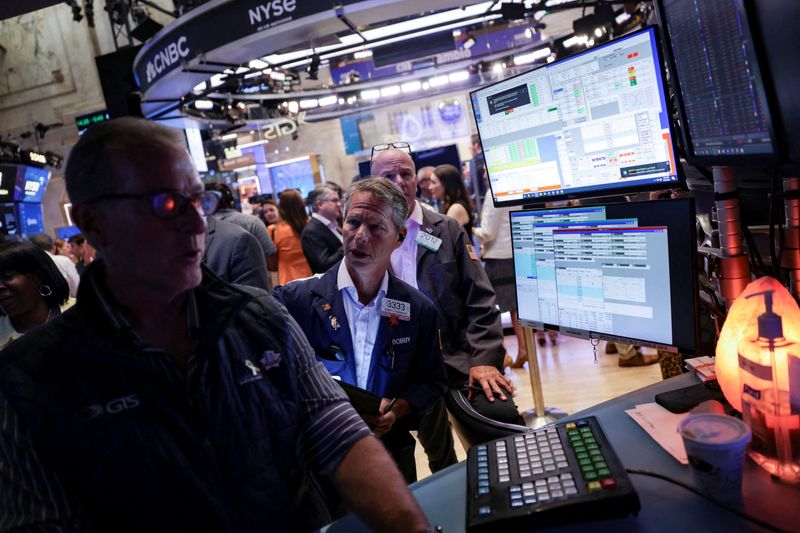
The financial landscape shifted dramatically this week as Wall Street indexes surged to record-breaking highs. Driven by a cooling in geopolitical tensions, the S&P 500 and the tech-heavy Nasdaq notched their third consecutive record close, while the Dow Jones Industrial Average reached its strongest finish since late February. At the heart of this rally is the long-awaited news that the Strait of Hormuz—a critical artery for global energy—has been declared open for commercial transit.
For investors, the relief is palpable. As the threat of a prolonged energy supply disruption fades, the market sentiment has transitioned from cautious anxiety to aggressive optimism. With U.S. crude oil prices experiencing an 11% plunge, inflation fears that have gripped the economy throughout the spring are finally beginning to subside.

The Geopolitical Catalyst: A Path to Peace?
The rally was ignited by a statement from Iranian Foreign Minister Abbas Araqchi, who confirmed via social media that the Strait of Hormuz is once again clear for all commercial shipping. This announcement follows a ceasefire agreement in Lebanon, signaling a potential de-escalation of the conflict that has weighed heavily on global markets since late February 2026.
U.S. President Donald Trump has further fueled investor enthusiasm by suggesting that peace talks between Tehran and Washington are on the horizon. The prospect of a finalized agreement to end the ongoing war has provided the “all-clear” signal that traders have been waiting for.
Why the Strait of Hormuz Matters
The Strait of Hormuz is more than just a waterway; it is the world’s most important oil chokepoint. When the region becomes unstable, the “war-risk premium” on energy prices spikes, causing global inflation. The recent reopening serves as a massive relief valve for the global economy.
- Supply Chain Normalization: The flow of tankers is expected to stabilize, lowering transport costs.
- Inflationary Relief: Lower oil prices translate directly into lower operational costs for businesses and reduced prices at the pump for consumers.
- Market Certainty: Investors despise uncertainty. The prospect of a diplomatic resolution removes the “worst-case scenario” from the valuation models of major institutional firms.
Market Performance: A Historic Winning Streak
The data from the trading week paints a picture of broad-based participation. The Nasdaq Composite has been a standout performer, posting a 1.52% gain to reach 24,468.48. This marks the index’s 13th consecutive advance—an incredible winning streak not seen since 1992.
The S&P 500 and the Dow Jones Industrial Average also mirrored this strength. The S&P 500 climbed 1.20% to close at 7,126.06, while the Dow surged 868.71 points. Perhaps most notably, the Russell 2000, which tracks small-cap stocks, hit its first intraday record high since the onset of the war, proving that the rally is not limited to mega-cap tech stocks.
Sector Winners and Losers
While the broader market thrived, the sectoral divergence was stark:
- Consumer Discretionary: Leading the charge, this sector saw massive gains, particularly in travel and leisure. Royal Caribbean and Carnival cruise lines surged as investors bet on a return to normalcy.
- Industrials: With supply chains showing signs of life, the industrials sector climbed 1.8%, led by a strong performance from United Airlines.
- Energy Stocks: Unsurprisingly, the energy sector acted as a drag on the S&P 500. As oil prices tumbled, majors like Exxon Mobil and Chevron saw their share prices dip, reflecting the inverse relationship between oil supply stability and energy stock premiums.
Navigating the Path Forward: Caution Amidst the Euphoria
Despite the record highs, experts warn that the transition back to “business as usual” is not without hurdles. While the Strait of Hormuz is technically open, the logistical realities of resuming full-scale shipping are complex.
Risks to Consider
- Insurance Premiums: Maritime-focused investment firms note that “war-risk” insurance premiums remain at astronomical levels. Until these costs normalize, the shipping industry will continue to operate under a financial strain.
- Physical Hazards: The threat of naval mines and the complexities of enforcement in the region remain a concern for ship operators.
- Corporate Earnings Volatility: Not all news has been positive. Netflix, for instance, saw its stock tumble 9.7% following a disappointing earnings forecast and the departure of long-time Chairman Reed Hastings. Similarly, Alcoa reported a shortfall in profit, underscoring that broader economic headwinds still exist.
The Sentiment Shift: A Bullish Outlook for 2026
The consensus among market analysts, including Bob Doll of Crossmark, is that while no formal peace treaty has been signed, the trajectory is undeniably positive. The market is currently pricing in a “best-case” scenario where the geopolitical risk is permanently removed from the table.
For the average investor, this period represents a significant shift in portfolio strategy. With oil prices cooling, the focus is shifting away from defensive hedging and toward growth-oriented assets. The strong volume seen on U.S. exchanges—with over 20 billion shares changing hands—suggests that institutional investors are aggressively re-entering the market, viewing the recent volatility as a buying opportunity rather than a signal to sell.
Key Takeaways for Investors
- Watch the Small Caps: The outperformance of the Russell 2000 suggests that the economic recovery is broadening beyond the “Magnificent Seven” and other large-cap tech giants.
- Monitor Inflation Data: With oil prices falling, look for upcoming Consumer Price Index (CPI) reports to confirm that inflation is cooling, which could give the Federal Reserve more room to maneuver.
- Stay Informed on Diplomacy: The market is currently highly sensitive to headlines regarding the U.S.-Iran peace talks. Any sign of a stall in negotiations could trigger a sharp, albeit short-term, correction.
As we look toward the remainder of 2026, the reopening of the Strait of Hormuz stands as a pivotal moment. By removing the primary catalyst for energy inflation and global instability, the markets have cleared a path for continued growth. While risks remain, the momentum is clearly in the hands of the bulls, making this one of the most significant weeks in the recent history of the financial markets.