WHO Confirms Hantavirus Outbreak on MV Hondius: What Travelers Need to Know in 2026

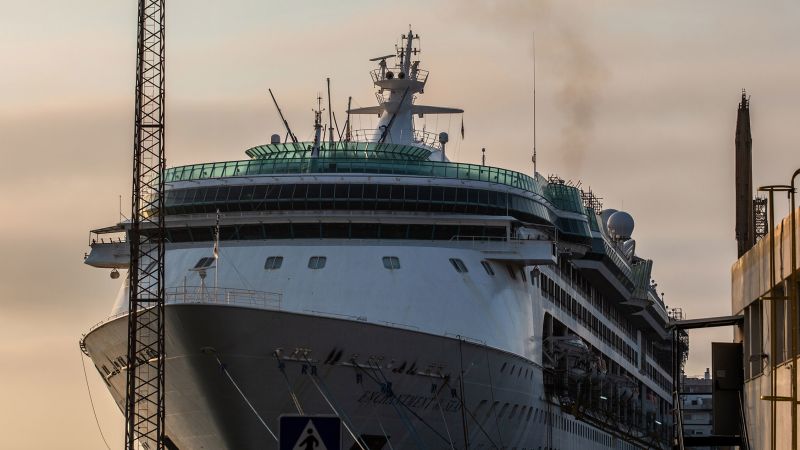
The global travel community is on high alert as the World Health Organization (WHO) officially confirms a cluster of hantavirus cases linked to a cruise ship currently navigating the Atlantic Ocean. As of May 2026, the outbreak has shifted from a localized concern to a multi-country monitoring effort, involving the MV Hondius, an exploration vessel known for its voyages to remote regions.
With five confirmed cases and three deaths already reported, health officials are working around the clock to contain what is being described as a “serious but contained” event. This article provides a comprehensive deep dive into the outbreak, the science behind the Andes virus strain, and the international response led by the WHO.
The Current Situation: Five Confirmed, More Suspected
In a press briefing from Geneva, WHO Director-General Tedros Adhanom Ghebreyesus confirmed that the laboratory results have solidified the presence of hantavirus among passengers and crew. To date, the figures are sobering:
5 Confirmed Cases: Laboratory tests have verified the presence of the virus in five individuals.
3 Suspected Cases: These individuals are currently showing symptoms and are under strict observation.
3 Fatalities: Tragically, three people have succumbed to the illness since the outbreak began.
The vessel at the center of this crisis, the MV Hondius, is currently sailing toward the Spanish island of Tenerife after departing from Cape Verde. While the WHO expects the outbreak to remain limited, the organization warned that the six-week incubation period of the virus means more cases could emerge in the coming days.
The Timeline of the MV Hondius Outbreak
To understand the scope of the risk, it is essential to trace the ship’s journey through the Atlantic. The MV Hondius began its voyage in Ushuaia, Argentina, on April 1, 2026. This starting point is significant, as the Andes virus is native to South America.
Key Dates in the Voyage:
- April 1: Departure from Ushuaia, Argentina.
- April 11: The first fatality occurs—a Dutch national who died while the ship was at sea.
- April 22–24: The ship docks at Saint Helena, a remote British territory. During this stop, approximately 30 guests disembarked.
- Early May: The ship reaches Cape Verde and begins its journey north toward Tenerife.
The WHO has identified 12 countries where passengers who disembarked at Saint Helena have returned. These nations include the United States, Singapore, Britain, Canada, Germany, and the Netherlands. Health authorities in these regions are now monitoring those individuals for any signs of respiratory distress or fever.
Understanding the Andes Virus: Why This Strain is Different
While hantaviruses are generally known to be “dead-end” infections—meaning they do not spread from person to person—the Andes virus is the terrifying exception. This specific strain, found primarily in South America, is the only hantavirus with documented human-to-human transmission.
How Hantavirus Typically Spreads
Usually, hantaviruses are zoonotic. They are carried by rodents, such as deer mice or rice rats. Humans typically contract the virus by:
Inhaling dust contaminated with rodent urine, droppings, or saliva.
Direct contact with infected rodents or their nesting materials.
Bites from infected rodents (though this is rare).
The Human-to-Human Risk
Because the Andes virus can spread between people, the outbreak on the MV Hondius poses a unique challenge for maritime health. In the confined spaces of a cruise ship, the potential for respiratory droplet transmission or close-contact spread is significantly higher than in open-air environments. This is why the WHO is emphasizing solidarity and strict public health measures.
Symptoms and the “Silent” Incubation Period
One of the most dangerous aspects of this outbreak is the long incubation period. Symptoms do not appear immediately after exposure; instead, they can take anywhere from one to six weeks to manifest.
Early Symptoms (The “Prodromal” Phase)
The initial signs of hantavirus infection are often mistaken for the flu. They include:
High fever and chills.
Severe muscle aches (especially in the thighs, hips, and back).
Fatigue and dizziness.
Headaches and gastrointestinal issues (nausea, vomiting, diarrhea).
Late Symptoms: Hantavirus Pulmonary Syndrome (HPS)
After 4 to 10 days of initial symptoms, the disease can progress to Hantavirus Pulmonary Syndrome (HPS). This is a life-threatening condition where the lungs fill with fluid, leading to:
Shortness of breath and coughing.
Tightness in the chest.
Low blood pressure (shock).
Respiratory failure.
The mortality rate for HPS can be as high as 35% to 40%, making early diagnosis and supportive care critical for survival.
Global Response: Diagnostic Kits and International Monitoring
In a show of international cooperation, Argentina has stepped up to provide 2,500 diagnostic kits to laboratories in five different countries. These kits are essential for rapid testing, allowing health officials to distinguish hantavirus from other common cruise ship illnesses like norovirus or seasonal influenza.
Abdi Rahman Mahamud, the WHO’s emergency alert and response director, stated that the organization is working to ensure that every country involved has the resources to manage potential cases. “We believe this will be a limited outbreak if the public health measures are implemented,” Mahamud noted, stressing that this is not “another COVID” but rather a specific, manageable event.
Countries Currently Monitoring Nationals:
United Kingdom
United States
Canada
Germany
The Netherlands
Singapore
New Zealand
Sweden
Switzerland
Turkey
Denmark
Saint Kitts and Nevis
Life on Board: Morale and Safety Measures
Despite the somber news of the fatalities, reports from the MV Hondius suggest a resilient atmosphere. Tedros Adhanom Ghebreyesus mentioned his regular contact with the ship’s captain, noting that morale has improved since the vessel resumed its journey toward Tenerife.
The ship’s operator has implemented rigorous sanitation protocols to eliminate any potential rodent reservoirs and to prevent further human-to-human spread. These measures include:
Enhanced cleaning of high-touch surfaces.
Isolation of symptomatic individuals in specialized medical quarters.
Mandatory health screenings for all remaining passengers.
Air filtration upgrades to mitigate respiratory transmission.
The Cruise Industry in 2026: A New Era of Vigilance
The MV Hondius incident serves as a stark reminder of the unique health risks associated with cruise travel. While the industry has made massive strides in safety since the 2020 pandemic, the emergence of rare viruses like the Andes strain requires constant vigilance.
Why Cruise Ships are Vulnerable
Cruise ships are essentially floating cities. The high density of people from diverse geographic backgrounds creates a “melting pot” for pathogens. Whether it is a common stomach bug or a rare hantavirus, the environment demands high-level medical infrastructure.
Comparison with Norovirus
In recent years, norovirus has been the primary concern for cruise lines. Unlike hantavirus, norovirus is highly contagious but rarely fatal. The current hantavirus outbreak is distinct because of its high mortality rate and its origin in specific wildlife reservoirs.
How Travelers Can Protect Themselves
For those planning a cruise in 2026, there is no need for panic, but there is a need for preparation. Health experts recommend several steps to stay safe while traveling:
- Research the Route: If your cruise stops in regions known for specific endemic diseases (like South America for the Andes virus), be aware of the local health advisories.
- Practice Hand Hygiene: Frequent handwashing remains the single most effective way to prevent the spread of most infections.
- Report Symptoms Early: If you feel feverish or have trouble breathing, visit the ship’s medical center immediately. Early intervention is the key to surviving HPS.
- Avoid Rodent-Prone Areas: During shore excursions, especially in rural or wilderness areas, avoid contact with rodents or their burrows.
- Stay Informed: Follow updates from the WHO and the CDC regarding travel-related health alerts.
Expert Analysis: Is a Pandemic Likely?
The question on everyone’s mind is whether this hantavirus outbreak could escalate into a global pandemic. The WHO’s current assessment is low risk for a global pandemic. Unlike COVID-19, the Andes virus does not spread as easily through casual contact. It typically requires very close or prolonged contact for human-to-human transmission to occur.
Furthermore, the outbreak is currently confined to a single vessel and a known group of individuals who disembarked. With the 12 involved countries already on high alert, the “ring-fencing” of the virus is well underway.
Conclusion: A Test of Global Health Solidarity
The hantavirus outbreak on the MV Hondius is a significant event for 2026, highlighting the intersection of global travel, wildlife-borne diseases, and international public health policy. While the loss of life is tragic, the coordinated response between Argentina, the WHO, and the various involved nations demonstrates a matured global health system.
As the ship nears Tenerife, the focus remains on the health of the passengers and the rigorous monitoring of those who have already returned home. By staying informed and adhering to expert guidance, the travel industry and the public can navigate this challenge with confidence.
The WHO will continue to provide updates as laboratory results for the remaining suspected cases come in. For now, the message is clear: vigilance, not fear, is the path forward.