No Whey! The Great Cottage Cheese Shortage of 2026: Why Demand for the “Lumpy Gold” is Breaking the Supply Chain

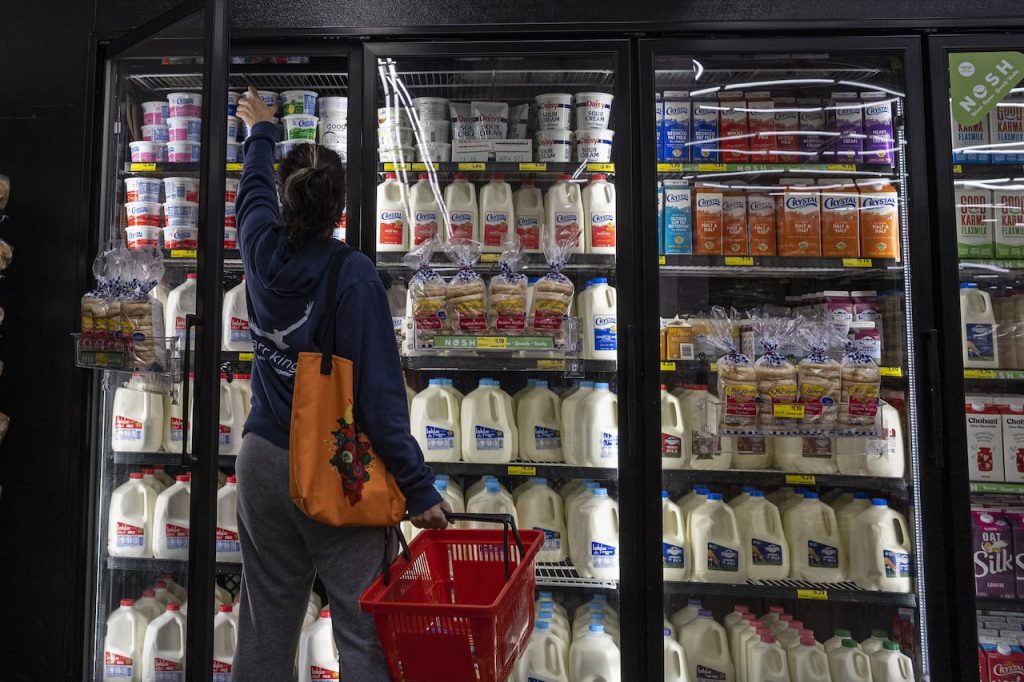
If you walked into a Canadian grocery store lately hoping to snag a tub of protein-packed goodness, you might have been met with a sight more common in 2020 than 2026: empty dairy shelves. The culprit isn’t a milk strike or a global logistics collapse, but rather a humble, lumpy curd that has officially become the most sought-after item in the refrigerator aisle.
The cottage cheese shortage is the latest in a series of viral-driven food scarcities. In 2024, it was the cucumber crisis; in 2025, the matcha madness sent prices soaring by over 200%. Now, as we navigate mid-2026, cottage cheese has taken the crown. What was once dismissed as a “diet food” for previous generations has undergone a radical rebranding, fueled by a global protein craze and a social media machine that refuses to slow down.
The Protein Renaissance: Why Cottage Cheese is King in 2026
For decades, cottage cheese sat quietly beside the yogurt, often overlooked in favor of flashy Greek yogurt cups or trendy Icelandic skyr. However, the tide has turned. Consumers in 2026 are more obsessed with macronutrient density than ever before.
Cottage cheese is a nutritional powerhouse, offering high levels of casein protein, which is slow-digesting and perfect for muscle recovery and satiety. As the “clean label” movement grows, shoppers are looking for whole-food protein sources rather than processed powders. This shift has placed cottage cheese at the center of the high-protein diet trend, making it the “it” ingredient for everyone from Gen Z gym-goers to health-conscious seniors.
The “TikTok Effect” and the Power of Viral Recipes
Social media is the primary engine behind this demand surge. On platforms like TikTok and Instagram, the hashtag #CottageCheese has surpassed hundreds of thousands of videos. Influencers have moved far beyond the “scoop on a plate” method, introducing innovative ways to consume the product:
Cottage Cheese Ice Cream: A viral sensation that involves blending cottage cheese with honey and fruit to create a high-protein dessert.
Whipped Cottage Cheese Toast: Replacing avocado or cream cheese with whipped curds for a savory, macro-friendly breakfast.
Cottage Cheese Flatbread: A low-carb, two-ingredient bread alternative that has fitness enthusiasts clearing out store shelves.
Protein-Boosted Pasta Sauce: Blending the cheese into marinara to create a creamy, guilt-free Alfredo substitute.
This digital culinary revolution has made cottage cheese seem new, versatile, and—most importantly—essential.
By the Numbers: Analyzing the 2025-2026 Production Boom
The statistics behind this surge are staggering. According to recent data from Statistics Canada, cottage cheese production jumped significantly to keep pace with the “protein fix” obsession.
In 2024, Canada produced approximately 28,139 tonnes of cottage cheese. By the end of 2025, that number skyrocketed to 35,459 tonnes—a massive 26% increase in just twelve months. Despite this record-breaking output, the product remains elusive. In the United States, retail data from Circana shows a similar trajectory, with cottage cheese volumes rising 14.3% in 2025 alone, marking three consecutive years of double-digit growth.
The Price of Popularity: From $3 to $6 a Tub
For consumers, the most painful part of this trend is the sticker shock. In 2020, a standard 500g tub of cottage cheese cost roughly $3.20. By early 2026, prices at major retailers like Loblaws, Sobeys, and Metro have climbed to nearly $6.00 per container.
This 60% price hike is a direct result of “demand-flation.” When demand outpaces supply so drastically, retailers and producers are forced to adjust. Some Reddit users in Canadian communities have reported prices tripling in specific urban centers since 2019, leading to a sense of frustration among those who rely on the cheese as an affordable protein source.
Supply Chain Strain: Why Manufacturers are Struggling
If production is up, why are the shelves empty? The answer lies in a “perfect storm” of manufacturing constraints and labor issues.
1. Capacity Limits and Discontinued Lines
Smaller processors are feeling the squeeze the hardest. Organic Meadow, a popular Canadian dairy producer, recently made the difficult decision to discontinue its cottage cheese line due to capacity constraints. When demand hits a certain threshold, smaller facilities often lack the specialized equipment and milk allocation needed to scale production efficiently.
2. Labor Disputes and Regional Shortages
The Agropur plant in Amqui, which produces the widely distributed Sealtest cottage cheese, faced labor disputes that disrupted the supply chain across several provinces. When a major player like Agropur experiences a slowdown, the ripple effect is felt immediately at big-box retailers like Costco and Walmart.
3. The “Matcha Effect” on Logistics
Much like the matcha shortage of 2025, the cottage cheese crisis highlights how modern supply chains are ill-equipped to handle viral-driven demand shocks. Traditional manufacturing is built on predictable, seasonal cycles. When a TikTok trend creates a 30% spike in demand overnight, the system buckles.
Premium Brands and the “Clean Label” Evolution
While standard brands struggle with supply, a new tier of premium cottage cheese is emerging. Brands like Alterego, All Things, and Arla are catering to consumers who want more than just protein. These “premiumized” versions often feature:
A2 Protein: For easier digestion.
Live Cultures and Probiotics: Aligning with the gut health trend.
Grass-Fed Dairy: Appealing to the eco-conscious shopper.
Unique Flavors: Such as “Everything Bagel” or “Spicy Chili” to compete with flavored yogurts.
These premium brands are often the only ones left on the shelf, but they come at a higher price point, further widening the gap between “luxury” protein and affordable staples.
The Global Perspective: Is the Shortage Everywhere?
While Canada is currently the epicenter of the “No Whey” crisis, the United States and parts of Europe are seeing similar patterns. The protein craze is a global phenomenon. In the UK, The Grocer reports that cottage cheese sales are booming as shoppers look for ways to combat food inflation by choosing filling, high-satiety foods.
In the U.S., the “cottage cheese is the new Greek yogurt” narrative has been solidified. Manufacturers are racing to build new facilities, but these projects take years to complete. Until then, the market remains in a state of fragile equilibrium, where one viral video can cause a localized shortage in a matter of days.
How to Navigate the Shortage: Tips for Consumers
If you’re struggling to find your favorite tub of Nordica or Gay Lea, here are a few strategies to keep your protein intake high:
- Shop Early and Local: Smaller independent grocers often have different distributors than the major chains and may have stock when Loblaws is empty.
- Try DIY Cottage Cheese: Surprisingly, you can make a version of cottage cheese at home using milk, vinegar or lemon juice, and salt. It’s a fun kitchen project that bypasses the grocery store drama.
- Explore Substitutes: While not identical, Ricotta cheese or Greek yogurt can often be swapped into recipes like protein pancakes or pasta sauces.
- Watch for Sales on Large Tubs: Buying the 750g or 1kg tubs at stores like Costco (when available) is still the most cost-effective way to buy, even with the price hikes.
Conclusion: Will the Cottage Cheese Bubble Burst?
As we look toward the remainder of 2026, the question remains: is this a permanent shift or a passing fad? Most experts believe that while the viral intensity may fade, the fundamental shift toward high-protein, whole-food dairy is here to stay.
Cottage cheese has successfully shed its “grandparent food” image and established itself as a versatile, essential tool for the modern health enthusiast. Producers like Gay Lea are investing heavily in new production lines to meet this “major moment,” but it will take time for the supply to catch up with our collective appetite for curds.
For now, if you see a tub of cottage cheese on the shelf, you might want to grab it. In the world of 2026 nutrition, it’s not just cheese—it’s lumpy gold.