The 2026 Crisis: From the ‘Cruise Ship Rat Virus’ to Global Geopolitical Brinkmanship

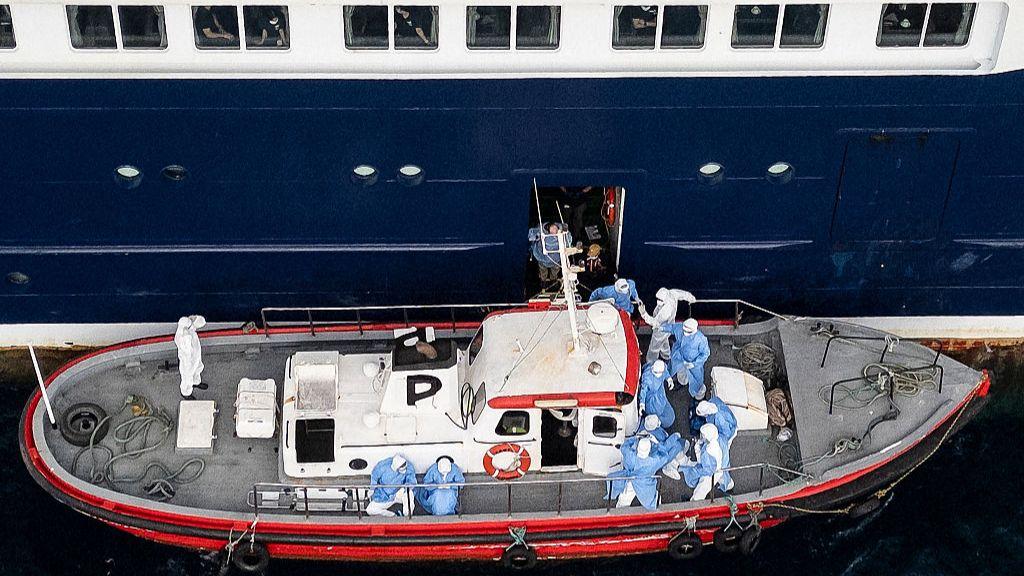
The year 2026 has begun with a jarring juxtaposition of humanitarian tragedy and high-stakes international tension. As the world watches, two vastly different stories have dominated the headlines: a deadly hantavirus outbreak trapping over 150 souls aboard the MV Hondius, and a volatile shift in US-Iran relations defined by the blunt ultimatum: “Deal or we’ll bomb you to hell.”
These events, while geographically and thematically distinct, highlight the fragility of our interconnected world. Whether it is the microscopic threat of a rodent-borne pathogen or the macroscopic threat of military escalation, the headlines of 2026 serve as a stark reminder of how quickly stability can vanish.
The MV Hondius: A Floating Tragedy at Sea
The maritime world is currently reeling from a suspected hantavirus outbreak aboard the MV Hondius. What began as a routine expedition has transformed into a desperate quarantine scenario. With at least three confirmed deaths and multiple passengers in critical condition, the incident has sparked an intense global investigation.
The Origin Story: Are ‘Twitchers’ to Blame?
Reports circulating in the Daily Mail and other outlets suggest a startling theory regarding the origin of the virus. Officials are investigating whether the pathogen was introduced to the vessel by a Dutch couple who visited a landfill site in Argentina. Known as “twitchers”—birdwatching enthusiasts—the pair allegedly frequented these sites to capture photographs of rare avian species.
If confirmed, this highlights the risks associated with zoonotic diseases. Hantaviruses are primarily transmitted through contact with the urine, droppings, or saliva of infected rodents. When humans inhale aerosolized particles from these materials, the results can be fatal. The tragedy of the MV Hondius serves as a grim warning about the unintended consequences of wildlife tourism in unhygienic environments.
The Quarantine Nightmare
The World Health Organization (WHO) has been vocal about the difficulties of managing a contagion at sea. With nearly 150 passengers and crew still aboard, the logistical nightmare of containment is immense. A WHO spokeswoman recently noted that an eight-week quarantine period is “horribly long,” yet necessary to prevent the spread of the virus to ports of call.
British national Martin Anstee, 56, was recently airlifted from the ship for specialist treatment in the Netherlands. His family’s account of the “traumatic few days” underscores the human cost of this crisis. As the ship remains adrift in the Atlantic, the international community is left to debate how maritime health protocols must evolve to handle future outbreaks.
Geopolitical Brinkmanship: The US-Iran Standoff
While the world watches the MV Hondius, the geopolitical stage is heating up with renewed aggression. President Donald Trump’s recent rhetoric toward Iran has sent shockwaves through global markets and diplomatic circles. The phrase “Deal or we’ll bomb you to hell” has become the defining soundbite of a volatile month.
The Leaked Memo and the Path to Peace
Despite the aggressive posturing, reports from Axios and The Guardian suggest that behind-the-scenes diplomacy is moving at a breakneck pace. A leaked memorandum indicates that the US may be willing to allow Iran to return to uranium enrichment levels similar to those outlined in the Obama-era nuclear deal.
This pivot represents a significant U-turn for the current administration. After weeks of posturing, including a plan to seize control of the Strait of Hormuz—which was subsequently abandoned—the White House appears to be seeking a “one-page memorandum of understanding.”
The Cost of the ‘Unpopular War’
Political analysts, such as James Bell writing for the i Paper, suggest that this shift in strategy is not born of benevolence, but necessity. The war initiated two months ago has proven deeply unpopular with the American public. With few strategic options left, the administration is arguably attempting to secure a “peace” that allows for a face-saving exit.
The “dizzying 24 hours of twists and turns,” as described by the Daily Express, highlights the unpredictability of 2026’s foreign policy. Whether this leads to a lasting resolution or merely a temporary ceasefire remains to be seen.
The Intersection of Crisis and Media Coverage
It is fascinating to observe how the media landscape balances these heavy topics with the absurd. While The Times and The Guardian dissect the threat of nuclear escalation, the Daily Mirror and Daily Star have turned their attention to “Stephen Seagull,” a bird in North Yorkshire known for shoplifting snacks.
This juxtaposition is not just a quirk of journalism; it reflects the human tendency to seek normalcy amidst chaos.
Key Takeaways from the 2026 News Cycle:
- Zoonotic Threats: The hantavirus outbreak is a reminder that human encroachment into wildlife habitats carries significant health risks.
- Diplomatic Volatility: The US-Iran situation proves that modern diplomacy is often conducted through a mix of public threats and secret, rapid-fire negotiations.
- The Digital Information Age: Information regarding the MV Hondius and the Strait of Hormuz travels instantly, creating a global feedback loop that pressures officials to react in real-time.
Analysis: What Comes Next?
As we move deeper into 2026, the focus must remain on the safety of those aboard the MV Hondius and the stability of the Middle East. The hantavirus crisis will likely lead to stricter regulations for cruise lines, particularly regarding shore excursions in high-risk areas. Meanwhile, the potential deal with Iran could redefine regional security for the next decade.
The challenge for the international community is to remain vigilant against both biological and geopolitical threats without falling into a state of permanent panic. The “rat virus” and the “bombing ultimatum” are two sides of the same coin: they test our institutions, our health systems, and our diplomatic resolve.
Conclusion
The events of the past few weeks have been nothing short of extraordinary. From the tragic loss of life on a cruise ship in the Atlantic to the high-stakes chess match being played in the Strait of Hormuz, the world feels smaller and more precarious than ever.
We must monitor these situations with a critical eye, demanding transparency from our leaders and health organizations alike. Whether it is a “feathery felon” in Yorkshire or a standoff between superpowers, the news of 2026 reminds us that every story has a ripple effect.