Kyiv on High Alert: Russia Issues Urgent Evacuation Warning to Diplomats Ahead of Victory Day

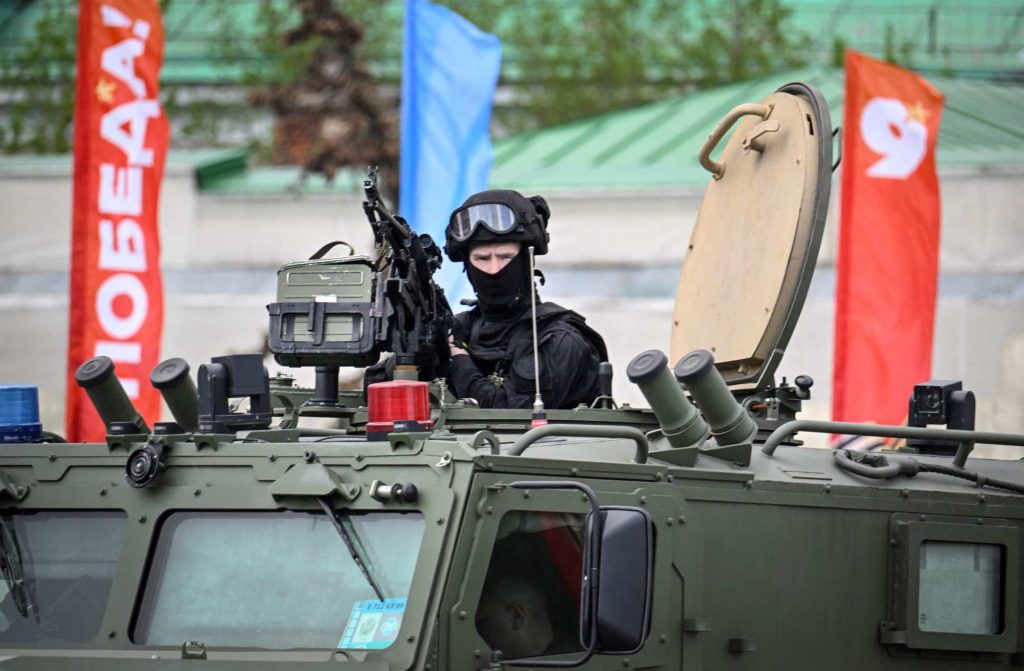
As the clock ticks toward May 9, 2026, the atmosphere in Eastern Europe has reached a fever pitch. In a move that has sent shockwaves through the international community, the Kremlin has issued a formal warning to foreign diplomatic missions and international organizations stationed in Kyiv. Moscow has explicitly advised these entities to facilitate the timely evacuation of personnel from the Ukrainian capital, citing the potential for a “retaliatory strike” should Ukraine attempt to disrupt Russia’s annual Victory Day commemorations.
This development marks a significant escalation in the four-year-long conflict, moving beyond the static front lines and into the realm of high-stakes psychological and strategic warfare. With both nations locked in a cycle of drone strikes and retaliatory maneuvers, the international community is watching closely to see if this warning is a genuine precursor to a massive aerial assault or a calculated bluff designed to keep Kyiv off-balance.
The Context: Victory Day and the Shadow of War
For Vladimir Putin, May 9 represents the pinnacle of Russian national pride. The annual celebration of the defeat of Nazi Germany is more than just a parade; it is a vital pillar of the Kremlin’s domestic narrative. This year, however, the event is taking place under a cloud of deep-seated insecurity.
Moscow has already taken the unprecedented step of stripping military hardware from the Red Square procession—a move likely intended to minimize the profile of the event and reduce the risk of high-value targets being exposed to potential drone attacks. Furthermore, citywide internet shutdowns have been implemented in the Russian capital, signaling that security, rather than pageantry, is the primary concern for the Russian state in 2026.
Why the Warning Matters
The note delivered to embassies is not a standard diplomatic communication. By explicitly mentioning “decision-making centres” in Kyiv, Russia is signaling that it is prepared to move past tactical strikes on infrastructure and target the administrative heart of the Ukrainian government.
Strategic Escalation: Targeting government hubs in the capital would represent a major shift in the scope of the war.
Diplomatic Pressure: By telling foreign diplomats to leave, Russia is attempting to isolate Kyiv, effectively telling the world that the capital is no longer a safe zone for international presence.
Psychological Warfare: The warning is designed to sow panic and force the Ukrainian leadership to divert resources away from the front lines to protect its own seat of power.
A Cycle of Drone Warfare and Retaliation
The threat of a “retaliatory strike” is rooted in the recent uptick in drone activity. Ukrainian drones have been increasingly active, with reports of incursions reaching as far as Moscow. These incidents have caused significant anxiety within the Russian security apparatus, leading to flight disruptions and a heightened state of alert across the country.
Conversely, Ukraine continues to face relentless pressure. On Thursday, strikes were reported in the Sumy region—including a tragic incident at a kindergarten—and in Dnipro. As the war enters its fifth year, the distinction between military and civilian targets has become increasingly blurred, with both sides accusing the other of violating international norms.
The Breakdown of Ceasefire Efforts
The diplomatic landscape is equally fraught. While Russia declared a unilateral ceasefire for May 8 and 9, the proposal has been met with skepticism by Kyiv. President Volodymyr Zelensky, who has remained defiant, has criticized the move, suggesting that Russia is merely using the holiday as a pretext to regroup and protect its own vulnerable parade.
Ukraine had previously proposed its own ceasefire for May 6, which was ignored by Moscow. This failure to align on even a temporary cessation of hostilities underscores the deep mistrust that characterizes the current conflict. With peace talks sidelined by broader geopolitical tensions, including the ongoing conflict in Iran, the prospect of a diplomatic resolution remains distant.
The Humanitarian Toll: Living Under the Threat of Air Raids
While the geopolitical maneuvering happens in high-level offices, the reality on the ground for Ukrainian civilians is one of exhaustion and persistent danger. The constant cycle of air raid sirens and the threat of incoming missiles have become a grim feature of daily life.
In regions like Sumy, the impact is immediate and devastating. Families are forced to flee to shelters as the sound of explosions punctuates the day. The Russian warning to diplomats serves as a stark reminder that as long as the political rhetoric remains belligerent, the civilian population remains the ultimate victim of the conflict’s escalation.
Factors Fueling the 2026 Conflict
Territorial Disputes: Russia’s demand that Ukraine withdraw from four annexed regions remains a non-starter for Kyiv, ensuring the conflict continues.
Technological Shift: The reliance on long-range drones has turned previously “safe” cities deep inside both Russia and Ukraine into active combat zones.
Global Distraction: With the world’s attention fractured by multiple regional crises, the war in Ukraine faces the risk of becoming a “forgotten” conflict, despite its massive human cost.
Analysis: The Kremlin’s Endgame
What does Moscow hope to achieve with this evacuation warning? From a tactical perspective, it is a classic “de-escalation through escalation” play. By threatening the capital, Russia hopes to deter any “buzzing” of Red Square by Ukrainian drones. If Ukraine chooses to proceed with its own military operations, Russia can frame its retaliatory strike as a defensive necessity, thereby attempting to maintain the moral high ground in its domestic media.
However, this strategy carries significant risks. If Russia does launch a massive strike on Kyiv, it risks further alienating the international community and potentially triggering a more aggressive response from Western allies who have been supplying Ukraine with defensive technology. The move is a gamble, one that suggests the Kremlin is feeling the pressure of the ongoing war and is willing to push the boundaries of conventional conflict to ensure its domestic celebrations proceed undisturbed.
Conclusion: A Tense Weekend Ahead
As May 9 approaches, the world watches with bated breath. The warning to diplomats is a sobering indicator of how volatile the situation has become. Whether this culminates in a massive show of force or remains a high-stakes war of words, the implications for the future of the conflict are profound.
The war in 2026 is no longer just about territorial gains; it is about the survival of national narratives and the maintenance of political power. As both Kyiv and Moscow brace for the weekend, the hope for a peaceful resolution remains buried under the weight of missiles, drones, and the hardening resolve of two nations locked in a struggle that shows no sign of abating. For now, the embassies in Kyiv must weigh the risks, and the world must wait to see if the rhetoric of war will once again turn into the harsh reality of destruction.