Shadows on the Sidewalk: A Global Analysis of Vehicle-Ramming Incidents (2006–2026)

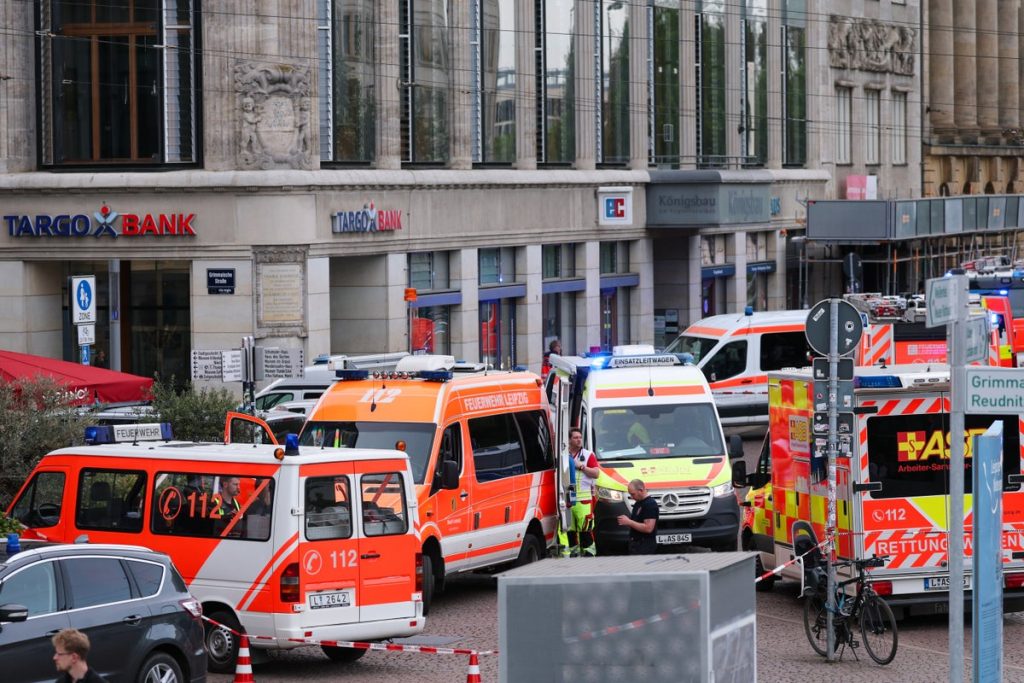
The use of a vehicle as a weapon is a harrowing phenomenon that has increasingly pierced the fabric of public safety across the globe. From quiet shopping districts to bustling festival grounds, the transformation of everyday transportation into a tool of destruction has left communities reeling. As we navigate 2026, it is essential to examine the patterns, motivations, and the evolving nature of these tragic events to understand how society might better protect its public spaces.
The Anatomy of an Incident: Understanding Vehicle-Ramming
A vehicle-ramming attack is defined as the deliberate use of a motor vehicle to strike individuals or infrastructure. Unlike traditional accidents, these incidents are characterized by intent, whether driven by political radicalization, personal vendettas, or severe mental health crises.
In recent years, the frequency of these events has sparked international concern. Security experts often point to the “contagion effect,” where high-profile incidents inspire copycat behavior. The ease of access to vehicles makes them a low-barrier, high-impact weapon for those seeking to cause mass casualties, posing a unique challenge for urban planners and law enforcement agencies worldwide.
A Timeline of Global Tragedies
To comprehend the scale of this issue, we must look at the historical trajectory of these events over the last two decades. While the motivations vary—ranging from extremist ideologies to individual grievances—the outcome is almost universally catastrophic.
The Rise of Ideological and Terror-Related Attacks
The 2010s saw a rise in vehicle-ramming as a tactic for extremist organizations.
Nice, France (2016): The deadliest incident in recent history occurred during Bastille Day celebrations, where a truck was driven into a crowd, claiming 86 lives.
Berlin, Germany (2016): A hijacked truck was driven into a Christmas market, killing 13 people, an event that led to significant changes in European security protocols for public gatherings.
New York City (2017): A bike path was targeted by an extremist, resulting in eight deaths and a renewed focus on physical barriers in urban landscapes.
Personal Grievances and Mental Health
Not all incidents are driven by global extremism. Many of the most tragic cases are rooted in personal instability, domestic disputes, or psychological distress.
ZhuHai, China (2024): A 62-year-old man, reportedly upset over a divorce, drove into a sports complex, killing 35 people.
Vancouver, Canada (2025): An SUV incident during a festival killed 11 people, with investigators citing the suspect’s history of mental health challenges.
Waukesha, Wisconsin (2021): A driver plowed through a Christmas parade following a domestic dispute, resulting in the deaths of six individuals.
Recent Incidents: The 2025–2026 Landscape
The year 2025 and the early months of 2026 have witnessed a concerning cluster of incidents, suggesting that the threat remains persistent and unpredictable.
- Leipzig, Germany (2026): A recent deliberate attack in a busy shopping district left two dead and several injured, once again highlighting the vulnerability of pedestrian-heavy zones.
- Los Angeles, USA (2025): Outside a nightclub, a driver plowed into a crowd, injuring 37 people. The event was notable for the immediate intervention of bystanders, illustrating the role of civilian response in such crises.
- Liverpool, UK (2025): During a celebratory soccer championship parade, more than 45 people were injured when a minivan was driven into the crowd, turning a moment of civic joy into a scene of chaos.
- New Orleans, USA (2025): A New Year’s Day tragedy saw 15 people killed when a vehicle was driven into a crowd in the French Quarter. The incident ended only after a lethal confrontation between the suspect and local police.
Analyzing the Patterns
When we look at the data from 2000 to 2026, several key characteristics emerge. These incidents are rarely spontaneous in the traditional sense; they often follow periods of planning or are triggered by specific, acute stressors in the perpetrator’s life.
The “Incel” and Extremist Factor
Sociological studies have identified that certain online echo chambers—particularly those fostering misogynistic “incel” rhetoric or white nationalist ideologies—have served as catalysts for radicalization. The 2018 Toronto van attack, carried out by an individual who claimed membership in such a community, serves as a grim case study in how digital radicalization can manifest as physical violence.
The Role of Urban Infrastructure
The design of modern cities often prioritizes flow and accessibility, which can inadvertently leave pedestrians exposed. Since 2017, many major cities have begun installing “hostile vehicle mitigation” (HVM) measures. These include:
Bollards: Steel-reinforced concrete or metal posts designed to stop high-speed vehicles.
Street Furniture: Using heavy planters and benches to create barriers without compromising the aesthetic of public spaces.
- Traffic Calming: Redesigning roads to force slower speeds in pedestrian-heavy areas.
The Challenges of Prevention
Preventing vehicle-ramming is notoriously difficult because the “weapon” is the most common form of transportation globally. Unlike firearms or explosives, which can be tracked through sales and supply chains, a car is a ubiquitous object.
Law enforcement agencies are increasingly relying on predictive intelligence and community reporting to identify individuals who may be at risk of committing such acts. However, the balance between security and the preservation of open, free societies remains a delicate tightrope walk for democratic governments.
Conclusion: Looking Ahead
As we move further into 2026, the global community must remain vigilant. While technology and physical barriers can offer protection, the root causes—ranging from untreated mental health crises to the spread of radical ideologies—require deeper societal intervention.
The tragic events in Leipzig, Los Angeles, and beyond serve as a somber reminder that safety is not a static state but a continuous process. By fostering stronger community support systems, investing in mental health, and thoughtfully redesigning our public spaces, we can work toward a future where the streets are once again places of gathering rather than targets for tragedy.