Fashion as a Masterpiece: The Most Iconic Looks from the 2026 Met Gala

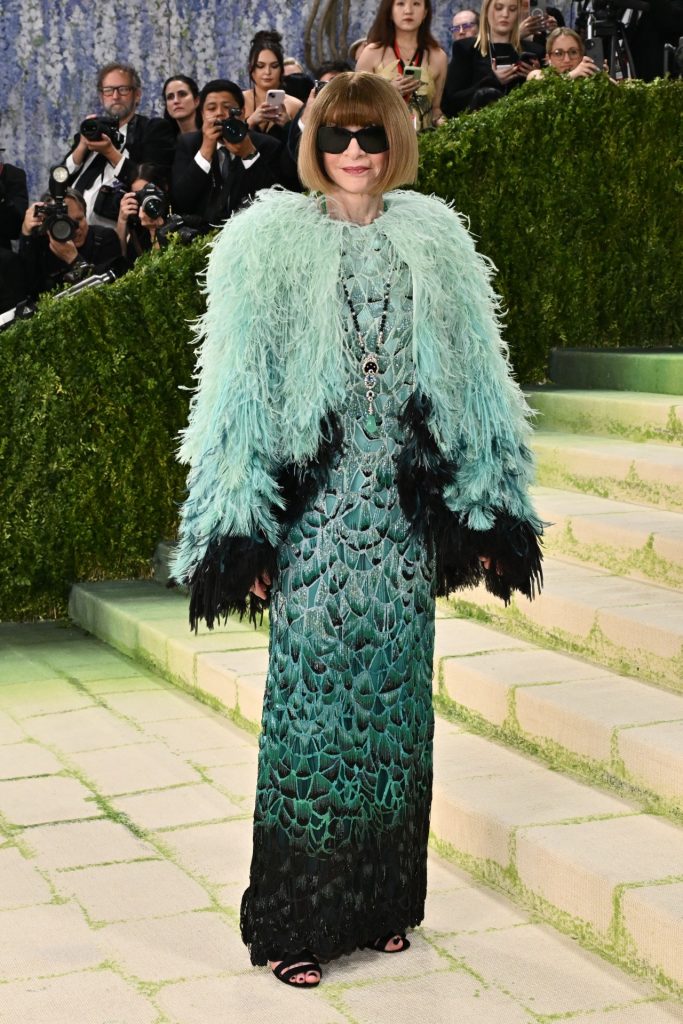
The first Monday in May has once again cemented its status as the pinnacle of the global fashion calendar. On May 4, 2026, the Metropolitan Museum of Art transformed into a living gallery for the Costume Institute’s latest exhibition, “Costume Art.” This year’s theme challenged the industry’s elite to look beyond mere trends and treat the human form as a canvas, blurring the lines between haute couture and classical art history.
Despite the pre-event buzz surrounding protests and the controversial involvement of marquee sponsors Jeff Bezos and Lauren Sánchez Bezos, the gala proved that fashion remains the ultimate cultural magnet. With a record-breaking $42 million raised for the museum, the event was a masterclass in spectacle, excess, and artistic interpretation.
The Visionaries Behind the 2026 Met Gala
The 2026 Met Gala was steered by an powerhouse lineup of co-chairs: the legendary Anna Wintour, pop icon Beyoncé, Hollywood veteran Nicole Kidman, and tennis superstar Venus Williams. Together, they set the stage for an evening that focused on the structural integrity of the body and the sculptural potential of fabric.
Anna Wintour, ever the curator of the event, ensured that the “Fashion is Art” theme was respected down to the smallest detail. The exhibit itself, “Costume Art,” explores the evolution of the dressed body through the lens of paintings, sculptures, and historical artifacts. It was an ambitious premise, one that demanded high-concept silhouettes and avant-garde craftsmanship from every attendee.
Lauren Sánchez Bezos and the Schiaparelli Statement
One of the most anticipated arrivals was that of honorary chair Lauren Sánchez Bezos. Opting for a dramatic aesthetic, she graced the green-and-white carpet in a stunning, plunging navy Schiaparelli gown. The choice of Schiaparelli—a house known for its surrealist roots—was a perfect nod to the “Fashion is Art” theme.
While her husband, Jeff Bezos, was notably absent from the red carpet photos, Sánchez Bezos commanded the room, embodying the “bombshell glam” that has become her signature. Her look was a highlight of the night, proving that even amidst controversy, the allure of high fashion remains a powerful vehicle for personal expression.
Red Carpet Highlights: Sculptural Elegance and Artistic Flair
The “Costume Art” theme encouraged guests to move away from traditional ballgowns and toward pieces that felt like museum installations. We saw a surge in metallic textures, architectural draping, and abstract ornamentation.
Architectural Marvels
Nicole Kidman, accompanied by Sunday Rose Kidman Urban, opted for an ensemble that felt like a bridge between classic Hollywood and modern art. The structural elements of their attire emphasized the “dressed body” concept, highlighting how clothing can manipulate and celebrate human anatomy.
The Golden Standard
Model Lauren Wasser made waves by arriving in an all-gold look that literally shimmered under the flashbulbs. It was a literal interpretation of art—a gilded statue come to life. The look served as a reminder that the Met Gala is, at its core, a place for fearless experimentation.
Venus Williams, as a co-chair, leaned into the athletic, sculptural aesthetic. Her attire balanced the strength of her sporting background with the delicate, intricate nature of the exhibition’s theme, effectively bridging the gap between performance and art.
The Beauty and Grooming Trends of 2026
Fashion at the Met is never just about the fabric; it is about the entire aesthetic ecosystem. This year, the beauty looks were heavily influenced by the “Costume Art” theme, with many celebrities opting for “sculptural” hair and makeup.
Graphic Eyeliner: Many attendees sported sharp, geometric liner that mirrored the architectural lines of their gowns.
Metallic Accents: Gold and silver leaf were common motifs, applied directly to the skin to create a “living sculpture” effect.
- Minimalist Hair: To keep the focus on the intricate designs of the clothing, many stars opted for slicked-back, architectural updos that showcased the neck and shoulders.
Emma Chamberlain, a staple of the modern Met Gala experience, continued her streak of bold, trend-setting style. Her approach to the “Fashion is Art” theme was characteristically edgy, blending contemporary street-style sensibilities with the high-art expectations of the Met.
Analyzing the Impact: Why “Fashion is Art” Matters
The 2026 Met Gala was more than just a party; it was a cultural barometer. By framing fashion as art, the Costume Institute invited a conversation about the value of design in an era of fast fashion. Critics and supporters alike were forced to reckon with the labor, history, and technical mastery required to create a garment that can stand alongside a sculpture or a painting.
Despite the protests surrounding the event’s funding, the turnout and the financial success indicate that the Met Gala’s cultural capital is stronger than ever. The industry continues to view the Gala as the “Super Bowl of fashion,” a night where the boundaries of what is wearable are pushed to their absolute limit.
Conclusion
The 2026 Met Gala succeeded in its goal: it made us look at the “dressed body” in a completely new light. From Lauren Sánchez Bezos’s surrealist navy gown to the metallic brilliance of Lauren Wasser, the night was a testament to the fact that when fashion is treated as art, it has the power to define a generation. As the dust settles on the green-and-white carpet, the legacy of the “Costume Art” exhibition will surely influence the next several seasons of runway trends.
Fashion is, and always will be, a reflection of the culture that surrounds it—and in 2026, that culture was undeniably artistic, complex, and daring.