UK-EU Defense Reset: Britain Moves to Join Landmark £78 Billion Ukraine Loan Scheme

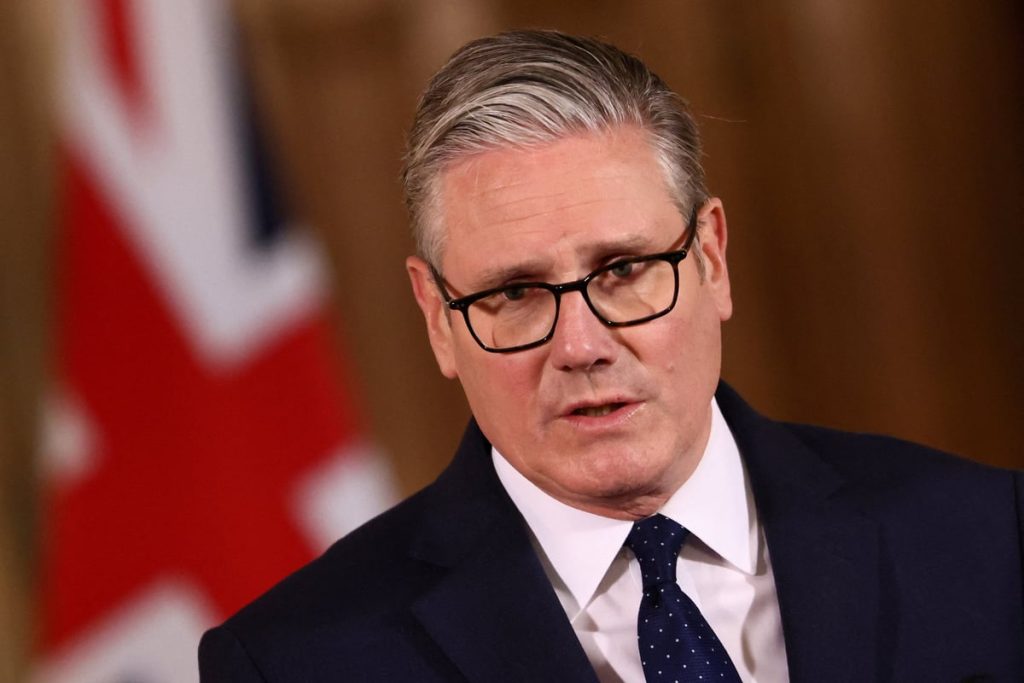
In a significant pivot for British foreign policy, the UK government has officially announced its intention to enter negotiations to join the European Union’s massive £78 billion (€90 billion) loan scheme for Ukraine. This move marks a pivotal moment in Prime Minister Sir Keir Starmer’s “reset” of relations with Brussels, signaling a desire to deepen defense integration while ensuring Kyiv receives the sustained financial and military backing required to counter Russian aggression.
As the geopolitical landscape shifts in 2026, with the US focus increasingly diverted toward Middle Eastern instability and the aftermath of the Iran war, the UK is positioning itself as a central pillar of European security. By participating in this financial package, Britain aims not only to bolster Ukrainian resilience but also to secure a seat at the table for future defense industrial contracts.
The Strategic Rationale: Why Now?
The decision to join the EU’s financial initiative follows the removal of the long-standing Hungarian veto, which had previously paralyzed the funding package. With the EU’s path now clear, the UK government sees an opportunity to align its national interest with the broader collective security of the continent.
Strengthening the European Security Architecture
Prime Minister Sir Keir Starmer has emphasized that in “volatile times,” the UK and the EU must move “further and faster” on defense cooperation. The goal is to create a seamless supply chain of military equipment. By joining the loan scheme, the UK intends to:
Guarantee sustained support: Ensure Ukraine remains solvent and militarily equipped for the next two years.
Bolster Industrial Ties: Create competitive opportunities for British defense manufacturers to bid on lucrative contracts linked to the loan’s procurement requirements.
Deepen Diplomatic Bonds: Repair the post-Brexit friction by demonstrating that Britain remains a committed, active partner in European security, even outside the formal bloc.
Navigating the Challenges of Regional Stability
The announcement, delivered by the Prime Minister at the European Political Community (EPC) summit in Yerevan, Armenia, comes at a time of immense global pressure. The EPC, a forum established in 2022, has become a vital theater for dialogue as traditional alliances are tested by shifting priorities in Washington.
Beyond Ukraine: The Middle East Factor
While the primary focus remains on the Ukraine-Russia conflict, the 2026 summit in Yerevan is heavily colored by the economic fallout from the conflict in the Middle East. With the Strait of Hormuz facing potential blockades, the UK is working closely with European allies to de-escalate tensions and secure critical energy shipping routes.
The Prime Minister’s diplomatic push aims to address these dual crises simultaneously. By demonstrating that the UK is a reliable partner in both the East and the Middle East, Starmer hopes to solidify Britain’s status as a Tier-1 security provider, regardless of fluctuations in US foreign policy.
The Domestic Political Landscape
The push for closer EU ties is not without its critics. Domestically, the government faces a delicate balancing act. While the Prime Minister argues that strengthening economic and defense links with Europe is essential for the UK’s post-Brexit recovery, the Conservative opposition remains skeptical.
Opposition Perspectives
The Shadow Foreign Secretary, Dame Priti Patel, has been vocal in her criticism, arguing that the government’s focus on international financial schemes detracts from its failure to meet domestic defense spending targets. The critique centers on two main points:
- Defense Spending: The failure to provide a credible, fully funded plan to reach 3% of GDP on defense spending by the end of the current Parliament.
- Prioritization: Critics argue that the government is prioritizing international financial aid over the immediate needs of the British armed forces and domestic welfare.
Despite these challenges, the government maintains that investing in Ukraine’s defense is an investment in the UK’s own national security. By preventing a broader escalation in Europe, the UK avoids the much higher long-term costs of a direct conflict.
Future Outlook: What to Expect in 2026
As the UK and the EU prepare for another joint summit this summer, the specific parameters of the loan agreement will be the main point of contention. Negotiations will likely center on:
Cost-Sharing Mechanisms: Determining how much of the borrowing costs the UK will contribute to the scheme.
Procurement Access: Ensuring that British firms have a clear, fair path to bidding on defense contracts generated by the fund.
Sanctions Coordination: Downing Street has already signaled that further sanctions on Russian companies are imminent, aimed at choking off military supply chains.
The success of these talks will serve as a bellwether for the future of the UK-EU relationship. If the government can secure favorable terms, it will be a significant win for Starmer’s “reset” strategy, proving that the UK can maintain its sovereignty while acting as an integral part of the European security apparatus.
Conclusion
The UK’s move to join the £78 billion EU loan scheme for Ukraine is more than just a financial transaction; it is a profound strategic alignment. In an era where global stability is increasingly fragile, the collaboration between Britain and the European Union is becoming a necessity rather than an option.
While political debates continue over funding priorities and defense spending, the trajectory toward closer cooperation appears set. As the negotiations unfold in the coming weeks, the world will be watching to see how the UK balances its national interests with the urgent need for a unified European front against authoritarian expansionism.