The Spirit Airlines Collapse: A Bitter Clash Between the White House and Airline Leadership Over the Iran War’s Economic Toll

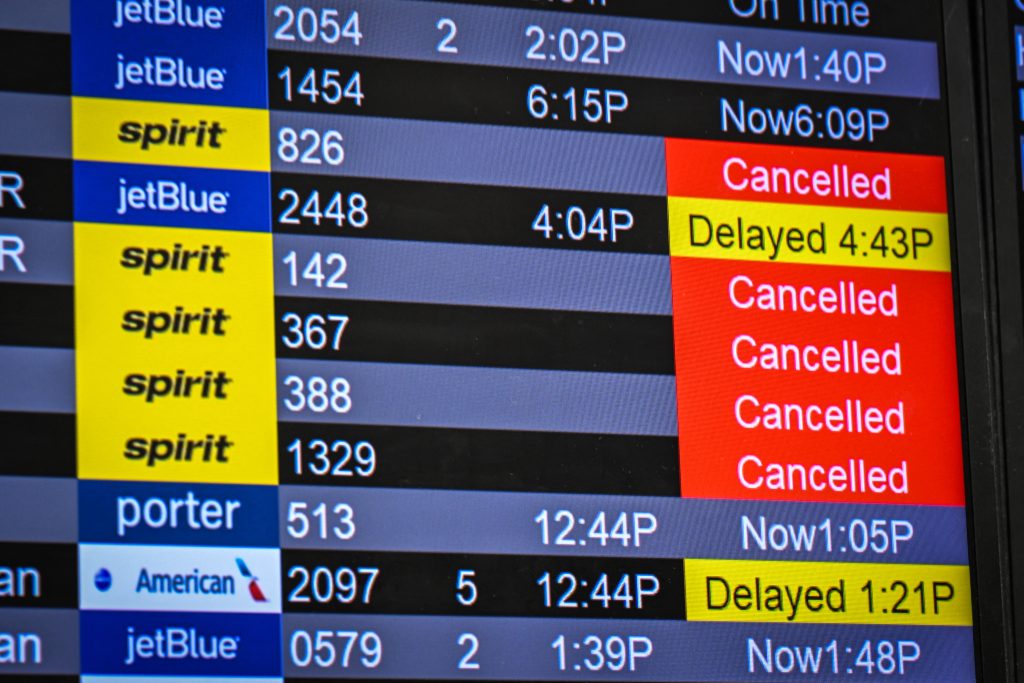
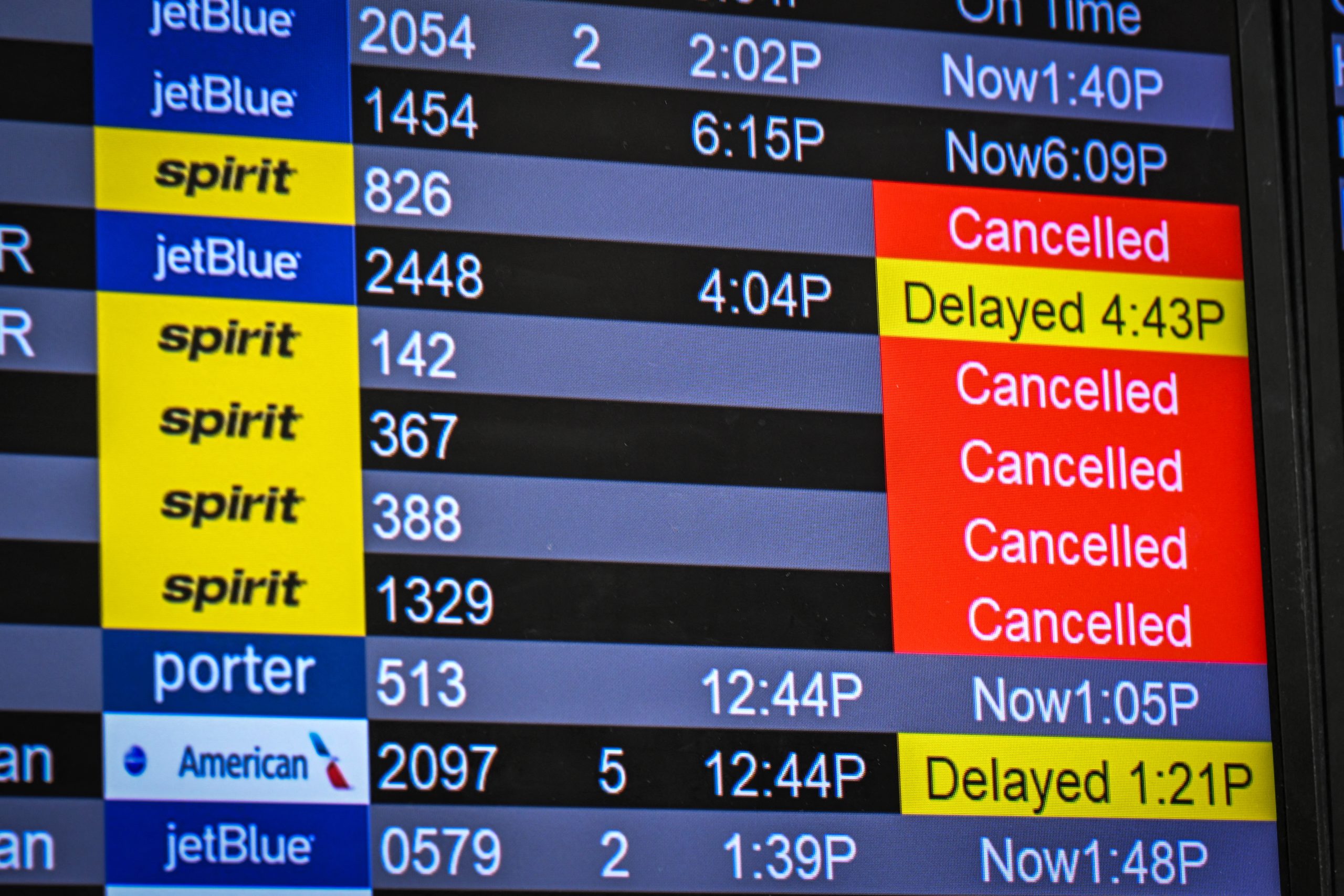
The aviation industry is reeling following the sudden, permanent grounding of Spirit Airlines on May 2, 2026. As the bright yellow planes remain parked across runways nationwide, a heated political and economic debate has erupted over the cause of the carrier’s demise, highlighting significant airline industry challenges. While the airline’s leadership points squarely at the geopolitical instability in the Middle East as the final nail in the coffin, the Trump administration is pushing back, framing the collapse as a long-gestating failure of business strategy.
This divide between Spirit CEO Dave Davis and Transport Secretary Sean Duffy highlights the broader economic anxieties and economic headwinds currently gripping the United States as the conflict with Iran continues to disrupt global energy markets, contributing to a looming global energy crisis.
The CEO’s Perspective: Fuel Costs as the “Death Knell”
For Spirit Airlines CEO Dave Davis, the narrative is clear: the company was a victim of an external shock that it could not withstand. As the war in Iran entered its second month, global oil prices surged, driving jet fuel costs to unprecedented levels amidst intense aviation fuel market volatility. For a low-cost carrier operating on razor-thin margins, these spikes in airline operational costs were catastrophic.
Davis stated in a recent press release that the “sudden and sustained rise in fuel prices” left the board with no viable path forward to maintain financial solvency. The airline, which had already been struggling to recover from previous financial hurdles, found itself unable to absorb the added overhead, leading to the decision to pursue an orderly liquidation.
The Trump Administration’s Rebuttal: Strategy vs. External Factors
Transport Secretary Sean Duffy has taken a firm stance against the airline’s narrative. During a press conference in Newark, New Jersey, Duffy dismissed the idea that the Iran war was the primary driver of the company’s insolvency. Instead, he argued that Spirit’s business model, and indeed the overall low-cost carrier model viability in a volatile market, had been fundamentally flawed for years.
“Spirit was in dire straits long before the war with Iran,” Duffy remarked. He pointed to the failed 2024 merger with JetBlue as clear evidence that the airline’s operational and financial health was in decline well before the current geopolitical tensions began. According to the administration, the war is being used as a convenient scapegoat for internal mismanagement.

The Failed Bailout: Why No “America First” Rescue?
The discourse surrounding the collapse is further complicated by the failed negotiations regarding a government bailout. President Donald Trump had reportedly floated the idea of a $500 million lifeline in exchange for a 90% equity stake in the company.
However, this “America First” rescue plan never materialized. Secretary Duffy clarified the administration’s position, noting that the Executive Branch does not have a multi-billion dollar slush fund to distribute to struggling private entities.
The Lender of Last Resort: Duffy emphasized that if Spirit required capital, it should have sought it through private markets rather than taxpayer-funded bailouts.
Congressional Hurdles: The administration maintained that any significant federal intervention would require Congressional approval, which was deemed unlikely given the airline’s pre-existing financial volatility.
Political Fallout: Who Is to Blame?
The collapse of such a major low-cost carrier has become a flashpoint for political finger-pointing. Critics of the current administration, including Senator Elizabeth Warren, have argued that the White House is attempting to deflect blame for an economic climate that has been worsened by its own foreign policy decisions.
“Spiking fuel prices from Trump’s war was the nail in the coffin,” Warren posted on social media. Meanwhile, conservative voices like Ann Coulter have echoed the sentiment that the war has left all Americans worse off, specifically calling out the impact on the airline industry.
The Broader Economic Impact of the Iran War
Beyond the immediate crisis at Spirit, the Iran war’s impact on the global economy continues to ripple through every sector, exacerbating global supply chain disruptions. With gasoline prices soaring and aviation fuel at record highs, the American consumer is feeling the squeeze in more ways than one, potentially eroding consumer travel confidence.
How the War Affects Daily Life:
- Surging Transportation Costs: Airfares are expected to rise across all carriers as companies pass on the increased fuel costs to passengers.
- Inflationary Pressures: As fuel becomes more expensive, the cost of moving goods increases, potentially driving up prices for food, construction materials, and housing.
- Industry Instability: Experts warn that Spirit may not be the last casualty if the conflict in the Middle East remains unresolved or escalates further.
Conclusion: A Cautionary Tale for the Aviation Sector
The shutdown of Spirit Airlines serves as a sobering reminder of the fragility of the aviation industry in an era of global volatility. Whether one believes the collapse was caused by internal strategic failures or the crushing weight of wartime fuel prices, the result is the same: thousands of jobs lost, thousands of passengers stranded, and a significant reduction in market competition within the U.S. airline market.
As the dust settles, the conflict between the administration and the airline’s leadership will likely be studied for years to come. It serves as a critical case study on how geopolitical events can intersect with corporate sustainability and the importance of thorough geopolitical risk assessment, leaving both political leaders and business executives scrambling to find a path forward in an increasingly unpredictable world.