Toronto FC vs. Inter Miami: A High-Stakes Dress Rehearsal for FIFA World Cup 2026

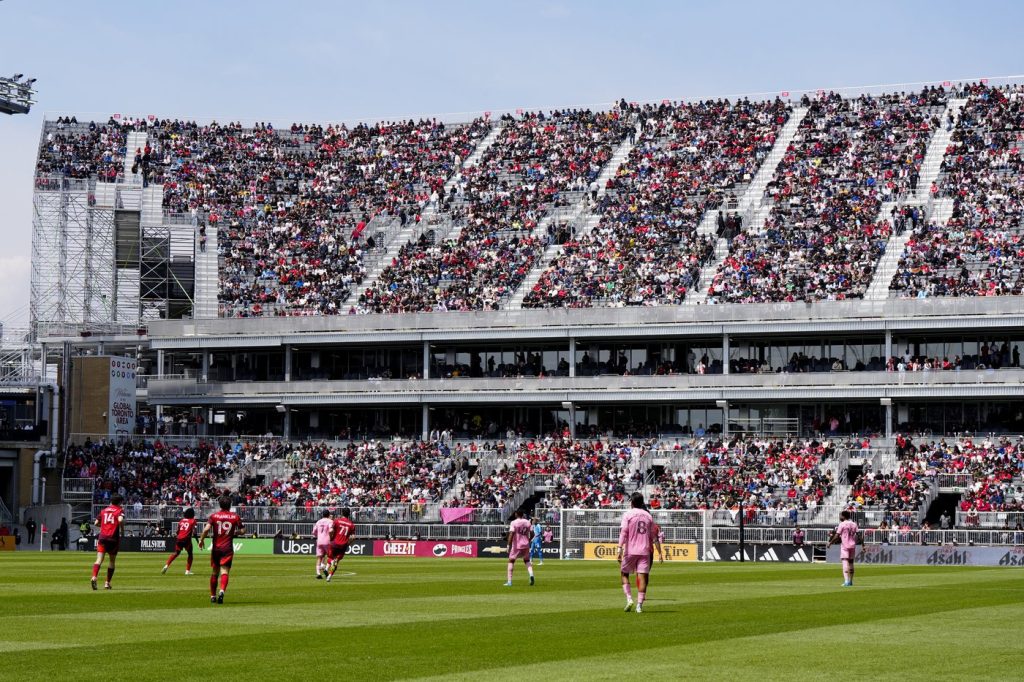
The atmosphere at the newly renovated BMO Field this past Saturday was electric, serving as more than just a standard Major League Soccer fixture. As Toronto FC hosted Lionel Messi and Inter Miami, the match acted as a crucial FIFA World Cup 2026 dress rehearsal, testing the logistics, infrastructure, and crowd management systems of Canada’s primary host venue. With a sellout crowd of 44,828 fans, the city provided a glimpse into what global soccer fans can expect when the tournament kicks off on June 12.
A New Look for a Global Stage
To meet the stringent FIFA stadium capacity requirements, BMO Field—which will be rebranded as Toronto Stadium for the duration of the tournament—has undergone a significant transformation. The most striking addition is the massive, scaffolding-style grandstand that has boosted the venue’s seating capacity to accommodate the influx of international spectators.
For long-time supporters like Trevor Ellis, the new grandstands offer a unique perspective. “It’s almost the perfect seat,” Ellis noted, highlighting that the elevated view provides a panoramic look at the pitch, the Toronto skyline, and the shimmering waters of Lake Ontario. However, the structure is not without its critics. Some attendees noted that the exterior aesthetics feel like a “work in progress,” with concerns raised about the visual impact of the scaffolding when compared to other world-class stadiums in North America and beyond.
Testing Logistics Ahead of the World Cup
The match against Inter Miami was a stress test for the stadium’s operational capacity. With 17,000 spectators seated in the newly constructed sections, the influx of fans created noticeable bottlenecks. Many attendees experienced delays navigating the perimeter fencing and security checkpoints—a reality that organizers will need to refine before the Canada vs. Bosnia-Herzegovina opener.
Key Operational Takeaways:
Perimeter Management: The fencing and security layout caused slow entry, suggesting that future World Cup matches may require earlier arrival times for ticket holders.
Concourse Experience: The current setup features a temporary, tent-like feel for the grandstand concourses. While functional, it remains to be seen if this will meet the high expectations of an international FIFA audience.
- Sightline Challenges: Fans sitting along the edges of the temporary stands reported partially obstructed views, specifically regarding the video screens near the corners of the pitch.
The Fan Experience: What to Expect in June
Despite the minor logistical hurdles, the energy inside the stadium was palpable. This match brought together a diverse cross-section of the population—from die-hard TFC supporters to casual observers drawn by the presence of global icon Lionel Messi.
“It’s different than a regular TFC game,” Ellis observed. “You’ve got a real variety of people—young and old. It’s a taste of what the World Cup will be like.” This diversity is exactly what Toronto needs to embrace as it prepares to host six tournament games through July 2.
Environmental Factors and Comfort
One of the most discussed topics among fans was the comfort of the new seating. While the steps are grippy and safe, the steep incline of the upper grandstands is a workout for the quads and glutes. Furthermore, the seating is largely uncovered. On a mild 14°C day, it was pleasant, but the prospect of summer storms or the intense July heat poses a challenge for fans who will have nowhere to hide from the elements.
Analyzing the Infrastructure: Is It Tournament Ready?
As the smallest venue among the 16 host cities, Toronto faces the challenge of maximizing space without compromising the fan experience. The “shaking stadium” effect—common in the passionate soccer environments of Argentina—was a topic of conversation among fans who wondered how the temporary structures would handle the rhythmic, high-energy jumping of thousands of fans during a high-stakes World Cup match.
While some fans expressed anxiety over the stability of the temporary stands, most seem willing to “commit to the experience.” The blend of the grey, utilitarian flip-down seats against the traditional red of BMO Field serves as a visual reminder that this stadium is currently in a hybrid state: part local home turf, part international stage.
Looking Toward the World Cup Final
While Toronto will be the epicenter of Canadian soccer passion through early July, the tournament’s journey will eventually move south. The FIFA World Cup 2026 Final is slated for July 19 at MetLife Stadium in New Jersey. However, for the six games hosted in Toronto, the city is aiming to prove that it can offer an atmosphere that rivals any venue in the world.
The Inter Miami match confirmed one thing: the appetite for soccer in Toronto is at an all-time high. If the city can iron out the wrinkles in security flow and improve the exterior aesthetics of the temporary stands, Toronto is well-positioned to offer a memorable experience for the world.
Conclusion
The dress rehearsal at BMO Field was a success in terms of engagement, drawing a massive crowd and providing a high-profile platform for the city’s tournament readiness. While there is work to be done regarding entry logistics, sightline obstructions, and weather protection, the spirit of the fans remains high. As the countdown to June 12 continues, all eyes remain on Toronto to see how it polishes its “new-look” stadium for the arrival of the global soccer community.