The MV Hondius Hantavirus Crisis: WHO’s Strategic Evacuation Plan Explained

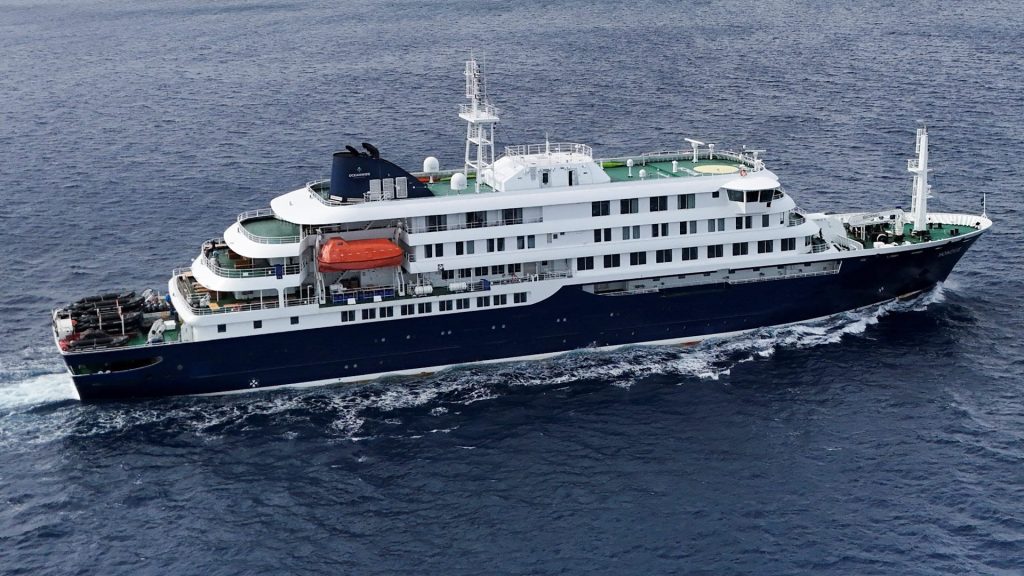
The maritime world and global health authorities are currently focused on a high-stakes operation unfolding in the Atlantic. As of May 2026, the MV Hondius, an expedition cruise ship, has become the epicenter of a concerning hantavirus outbreak. With multiple lives lost and international anxiety mounting, the World Health Organization (WHO) has stepped in to coordinate a complex, multi-national repatriation effort.
For the 147 passengers and crew members trapped at sea, the journey toward the Canary Islands marks the beginning of the end of a harrowing ordeal. As the vessel approaches the port of Granadilla in Tenerife, here is the definitive breakdown of how authorities plan to handle the situation, the health risks involved, and what the future holds for those on board.
The Path to Repatriation: When and How Will Passengers Disembark?
The logistical challenge of evacuating a ship affected by a deadly virus is immense. Oceanwide Expeditions, the operator of the MV Hondius, has confirmed that the vessel is scheduled to dock at the industrial port of Granadilla, Tenerife, at 5:30 a.m. local time on Sunday, May 10, 2026.
A Controlled Disembarkation Process
To minimize the risk of transmission and ensure the safety of both the passengers and the local population, the WHO has implemented a rigid, phased exit strategy:
- Staggered Departure: Beginning at 8:00 a.m., passengers will leave the ship in small, carefully managed groups.
- Specialized Craft: Transfers from the ship to the shore will be conducted via Zodiac boats and launch craft, with strict caps on capacity—no more than five to ten people per vessel.
- Direct Transit: Upon reaching the industrial dock, passengers will bypass public spaces entirely. They will be moved into sealed, guarded vehicles and transported through a cordoned-off corridor directly to the tarmac.
- International Coordination: The timing of each group’s departure is synchronized with specific repatriation flights arranged by the passengers’ home countries.
By utilizing the industrial zone of the port rather than a passenger terminal, authorities aim to keep the operation isolated from the general public, effectively creating a “bio-secure” bubble.
Addressing Public Concerns: “This Is Not Another COVID”
The mention of a cruise ship outbreak inevitably triggers memories of the 2020 pandemic. Recognizing the rising panic among residents of the Canary Islands, WHO Director-General Dr. Tedros Adhanom Ghebreyesus issued a public letter on May 9 to reassure the local community.
“I need you to hear me clearly: this is not another COVID,” Dr. Ghebreyesus stated. He emphasized that the current public health risk remains low, provided that strict containment protocols are followed. To maintain transparency, the WHO has confirmed that a dedicated expert remains on board the ship to monitor the health status of those still at sea.
Why the Risk is Deemed Contained
Unlike respiratory viruses that spread easily through the air via aerosols, the Andes strain of hantavirus—which has been identified in this outbreak—is typically transmitted through contact with rodent excreta or, in rare, documented cases, through specific human-to-human interaction. Because the passengers have been isolated at sea for several days, the likelihood of an active, spreading cluster outside of those already identified is being mitigated by the ongoing medical observation.
The U.S. Response: Quarantine and Monitoring in Nebraska
For American citizens aboard the MV Hondius, the journey does not end upon landing in Tenerife. The U.S. State Department and the Centers for Disease Control and Prevention (CDC) have mobilized a specialized repatriation plan.
The 42-Day Observation Period
Upon arrival in the United States, all American passengers will be transported to the National Quarantine Center at the University of Nebraska Medical Center in Omaha. This facility is equipped to handle high-consequence infectious diseases.
Exposure Assessment: Epidemiologists will conduct immediate, thorough screenings upon the passengers’ arrival.
The 42-Day Protocol: Because the incubation period for hantavirus can vary, the CDC has recommended a 42-day observation period. This duration ensures that any latent infections are caught and treated before individuals are released back into the general public.
Medical Preparedness: Any individual who begins to show symptoms during the repatriation process will be diverted to specialized medical evacuation flights, with the Netherlands identified as a primary hub for advanced clinical treatment.
Understanding the Outbreak: What We Know So Far
The outbreak has claimed the lives of three individuals—a Dutch couple and a German national—marking a tragic chapter for this expedition. With eight people falling ill, the international medical community is scrutinizing the origins of the infection.
The Virus Profile: Andes Strain
The Andes strain of hantavirus is particularly notable because it is one of the few hantaviruses capable of person-to-person transmission. This unique characteristic is likely what allowed the virus to propagate within the confined environment of a cruise ship.
Confirmed Cases: Six confirmed cases of the Andes strain.
Suspected Cases: Two additional passengers are being treated as suspected cases, pending further testing.
Ship Decontamination: Once all passengers are cleared, the MV Hondius will undergo a deep-cleaning process before sailing to Rotterdam. Notably, passenger luggage will not be handled by the passengers themselves; it will be returned separately to ensure no contaminated materials are transported during the initial evacuation.
Insights: Lessons for the Future of Cruise Travel
This 2026 incident highlights a critical vulnerability in global tourism. While cruise lines have revamped their health protocols since 2020, the emergence of a rare, non-respiratory pathogen like the hantavirus presents new challenges for maritime law and international cooperation.
The Role of International Health Regulations
The efficiency of this operation rests on the WHO’s ability to act as a bridge between the cruise operator, the Spanish government, and the home countries of the passengers. The fact that the WHO has taken the lead—rather than leaving the burden solely on the cruise line—is a positive evolution in global health governance.
However, the event also serves as a warning. Expedition cruises, which travel to remote, ecologically diverse areas, may expose passengers to pathogens that are not commonly encountered in urban environments. Moving forward, the industry will likely see:
- Enhanced Vector Control: Stricter standards for rodent control on ships.
- Medical Staffing Upgrades: Increased requirements for infectious disease specialists on long-haul expeditions.
- Standardized Repatriation Protocols: Pre-arranged agreements with ports and governments to avoid the “stranded ship” scenario seen in previous years.
Conclusion: A Delicate Operation
As the MV Hondius nears the port of Granadilla, the focus remains on the safety of the passengers and the integrity of the containment zone. The WHO’s plan is a testament to the level of coordination required to manage a modern biological threat.
While the situation is undoubtedly frightening for those on board, the rigorous, multi-layered approach to disembarkation and the subsequent quarantine for high-risk groups provide the best possible path forward. For the residents of Tenerife, the reassurance from Dr. Ghebreyesus should serve as a reminder that science and protocol are the primary defenses against the spread of disease.
As of May 10, 2026, the world watches with bated breath, hopeful that this final phase of the evacuation proceeds without further incident. The lessons learned from the MV Hondius will undoubtedly shape the future of international maritime travel for years to come.