Hantavirus Crisis: MV Hondius Reaches Canary Islands as Complex Repatriation Begins

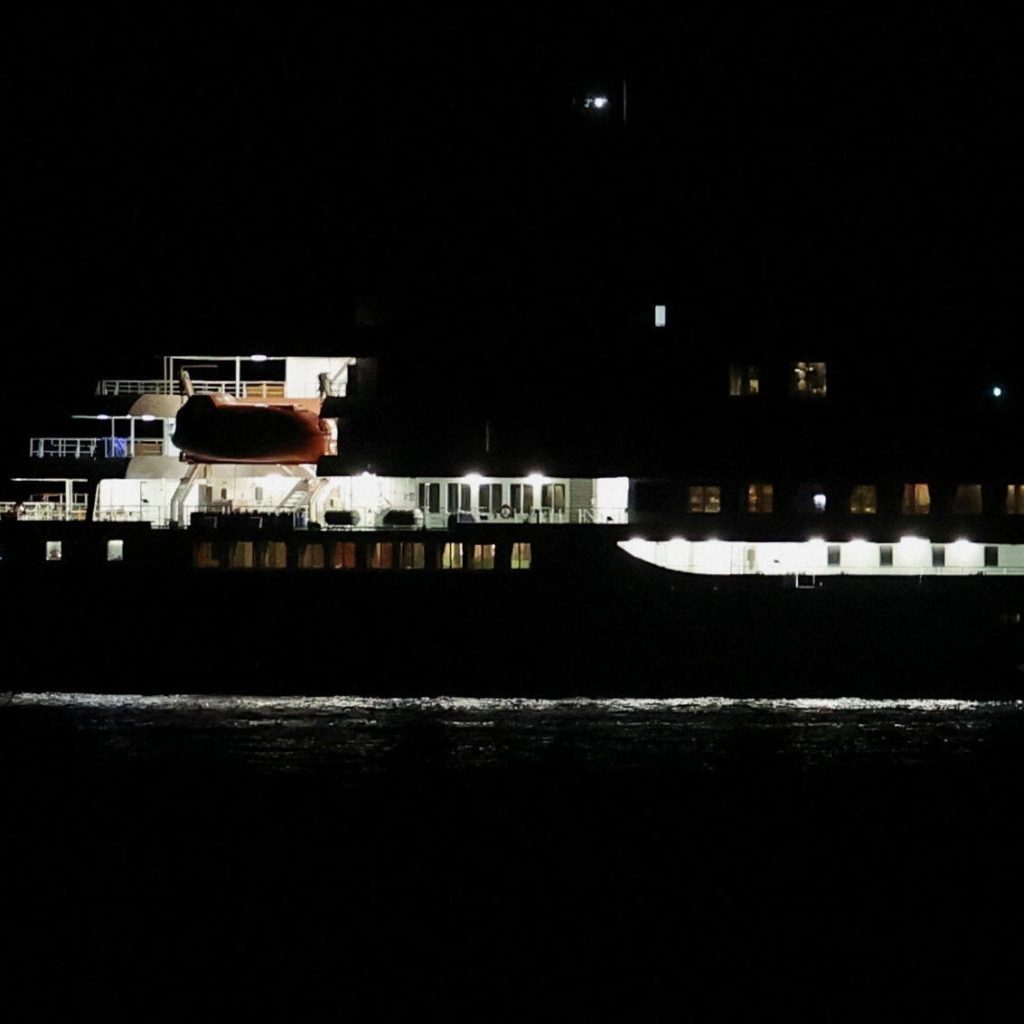
The maritime world and global health authorities have been locked in a tense standoff over the past week as the MV Hondius, a Dutch-flagged expedition vessel, navigated toward the Canary Islands. Following a harrowing journey from Cape Verde, the ship arrived at the port of Granadilla in Tenerife early Sunday morning. This arrival marks the beginning of a massive, multi-national operation to evacuate nearly 150 passengers and crew members who have been caught in the shadow of a deadly hantavirus outbreak.
With three confirmed fatalities and a cluster of illnesses reported, the arrival in Spanish waters represents a critical turning point in a crisis that has spanned several continents. As health officials from the World Health Organization (WHO) and various national agencies coordinate, the focus remains on containment, medical assessment, and the safe return of individuals to their home countries.
The Anatomy of the MV Hondius Outbreak
The situation aboard the MV Hondius has been described as a logistical and medical nightmare. The vessel, which departed from Ushuaia, Argentina, on April 1, was meant to be an expedition of discovery. Instead, it became the site of a rare and terrifying biological event.
Understanding the Hantavirus Threat
Hantavirus is a family of viruses primarily carried by rodents. While transmission is usually through contact with rodent urine, droppings, or saliva, the Andes strain—the variant suspected in this outbreak—is particularly concerning because it is the only known hantavirus capable of human-to-human transmission.
The WHO and the CDC have been working around the clock to monitor the nearly 150 people still aboard. While officials have categorized the current public risk as “low,” the nature of the virus—which can have an incubation period of up to eight weeks—necessitates extreme caution.
The Timeline of Tragedy
The outbreak surfaced following a bird-watching excursion taken by a Dutch couple in South America. Experts believe the couple may have been exposed to the virus in rural areas of Argentina, Chile, or Uruguay before boarding the ship.
April 11: The first fatality, a 70-year-old Dutch man, occurred aboard the vessel. At the time, his symptoms were misidentified as a common respiratory infection.
April 26: His wife, who had disembarked earlier in St. Helena, succumbed to the virus in South Africa.
May 2: A third fatality, a German passenger, was reported aboard the ship.
Coordinated Evacuation and Global Response
The arrival of the MV Hondius in Tenerife has mobilized a massive international task force. With the ship now under the guard of the Spanish Civil Guard, the process of offloading passengers is being handled with surgical precision to prevent any further spread of the infection.
WHO and Spanish Health Protocols
Dr. Tedros Ghebreyesus, the Director-General of the WHO, personally traveled to Tenerife to oversee the coordination efforts. The evacuation is not a simple disembarkation; it is a highly controlled medical transfer. Using small launch boats, authorities are moving passengers in groups of five to ten to minimize contact and maintain strict quarantine standards.
The U.S. Repatriation Effort
For the 17 American citizens aboard, the U.S. government has launched a specialized mission. The CDC is deploying a team of elite epidemiologists to conduct exposure risk assessments on the ground in the Canary Islands.
Biocontainment Logistics: Once cleared for travel, the American passengers will be flown to Offutt Air Force Base in Nebraska.
- Quarantine Procedures: They will be transported to the University of Nebraska Medical Center, where they will reside in a specialized biocontainment unit. Each passenger will be isolated in their own room to ensure that, should any develop symptoms, they are already within a secure medical environment.
Epidemiological Insights: Why Now?
The question on everyone’s mind is how such a localized rodent-borne virus managed to cause an outbreak on a luxury cruise ship. Epidemiologists point to the ship’s itinerary as the primary culprit. By visiting remote islands and regions where the Andes virus-carrying rodents are endemic, the vessel acted as a mobile vector.
The Risk of Human-to-Human Transmission
Dr. Jay Bhattacharya, acting director of the CDC, has emphasized that the virus is not spread by asymptomatic individuals. “Transmission requires close contact,” he noted, reinforcing the importance of the current quarantine measures. The fact that no new symptoms have been reported among those currently on the ship is a positive indicator that the containment efforts have been successful.
Future Implications for Cruise Travel
This event is likely to trigger a global review of maritime health protocols. While cruise lines are well-versed in handling gastrointestinal outbreaks like Norovirus, the threat of a lethal respiratory virus like Hantavirus requires a different level of preparedness. We can expect to see:
- Enhanced Screening: Stricter medical history checks for passengers visiting high-risk wildlife regions.
- Vector Control: Improved rodent-proofing and sanitation standards for expedition-style vessels.
- Global Reporting: Faster, real-time data sharing between cruise operators and international health bodies like the WHO.
Looking Ahead: The Final Journey
Once the passengers and the majority of the crew have been evacuated, a skeleton crew will remain on the MV Hondius. This crew will undertake the task of restocking the ship and preparing it for the five-day journey to Rotterdam, Netherlands, where the ship will undergo deep cleaning and decontamination.
The world remains watchful as the final stages of this operation unfold. The success of this mission in Tenerife will serve as a blueprint for how international authorities handle future biological emergencies in the travel sector. For now, the priority remains the health and safety of the individuals who have endured this grueling, weeks-long ordeal at sea.
As we move forward in 2026, the story of the MV Hondius serves as a stark reminder of the interconnectedness of our world and the critical importance of global cooperation in the face of public health crises. The swift response by Spanish authorities, the WHO, and the CDC has undoubtedly prevented a much larger catastrophe, proving that even in the face of an unpredictable virus, human organization and scientific vigilance remain our greatest defenses.