From Sea to Safety: Britons on Hantavirus-Hit MV Hondius to Quarantine at Iconic Covid-Era Site

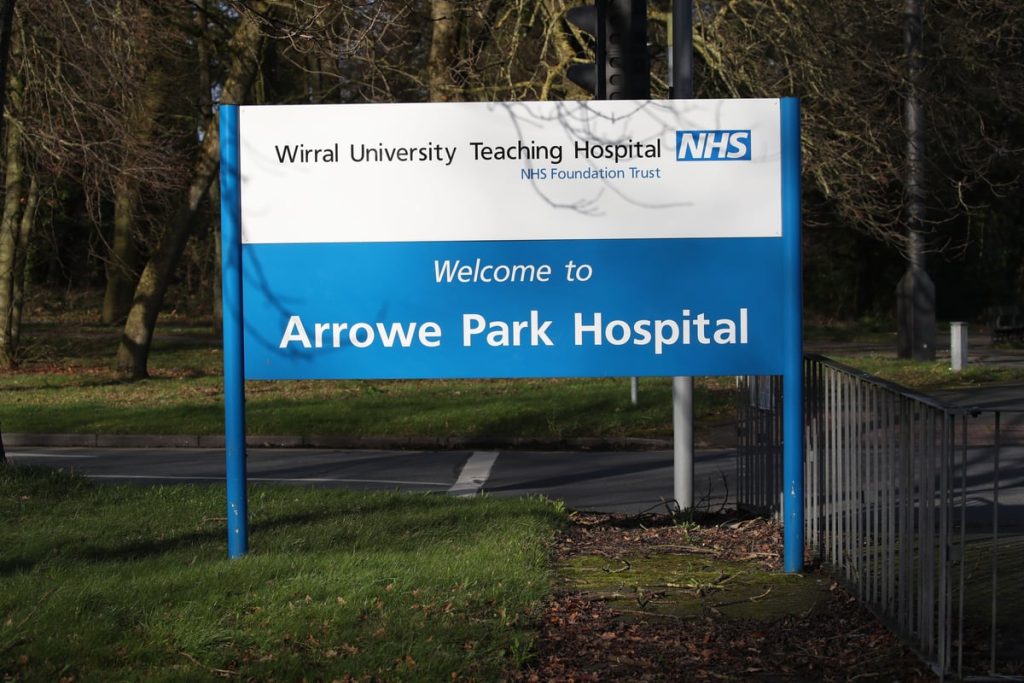
In an unprecedented logistical operation, British passengers aboard the MV Hondius, a cruise ship currently grappling with a severe hantavirus outbreak, are being repatriated to the United Kingdom. As of May 2026, the UK Health Security Agency (UKHSA) has confirmed that these individuals will be transported to a specialized isolation facility at Arrowe Park Hospital on the Wirral, Merseyside. This site, which famously served as the primary quarantine location for British citizens returning from Wuhan during the onset of the Covid-19 pandemic in 2020, is once again at the forefront of a major public health response.
The repatriation process, involving 22 British passengers and crew, represents a delicate balance of international cooperation, medical precision, and public safety. With the global health community keeping a watchful eye on the situation, the UK government is taking no chances, implementing a rigorous 45-day isolation protocol to prevent any potential spread of the virus within the country.
The Crisis at Sea: Understanding the Hantavirus Outbreak
The situation aboard the MV Hondius began with a cluster of respiratory illnesses reported to the World Health Organization (WHO) on May 2, 2026. The vessel, which had been carrying 147 passengers and crew, saw the health of its occupants deteriorate rapidly. Epidemiologists have traced the initial cases to a birdwatching excursion in Argentina, where exposure to rodent-borne pathogens likely occurred before the passengers boarded the ship.
The Scale of the Impact
The statistics surrounding the outbreak are sobering. The WHO has confirmed:
Total cases: Eight confirmed cases of hantavirus linked to the vessel.
Fatalities: Sadly, three deaths have been reported.
Current Status: Four patients remain hospitalized in various international locations, including South Africa and the Netherlands.
British Involvement: Three British nationals are among the confirmed or suspected cases, with one individual receiving care on the remote island of Tristan da Cunha.
While the numbers may seem small in the context of global travel, the nature of hantavirus—a rare but potentially fatal viral infection—requires immediate and decisive action. Unlike typical seasonal viruses, hantavirus is primarily transmitted through contact with the urine, droppings, or saliva of infected rodents, making the containment of the ship a top priority for port authorities in Tenerife, where the vessel is currently docked.
The Repatriation Strategy: A Managed Setting
The UKHSA has emphasized that the risk to the general public in Britain remains “very low.” However, the decision to utilize Arrowe Park Hospital as a managed setting reflects the government’s commitment to “zero-risk” containment. The facility is equipped with specialized isolation blocks that allow for the segregation of the returnees from the hospital’s general public areas, ensuring that clinical assessments and testing can proceed without disruption to standard medical services.
The 72-Hour Assessment Window
Upon landing, the returning Britons will not be sent home immediately. Instead, they will undergo:
- Initial Clinical Screening: A rigorous health check to identify any symptomatic individuals.
- A 72-Hour Observation Period: A preliminary stay at Arrowe Park to ensure no one develops symptoms post-flight.
- Home Assessment: Following the three-day window, public health specialists will determine if individuals can safely isolate at home or if they require alternative, controlled accommodation based on their household living conditions.
Why a 45-Day Isolation Period?
One of the most debated aspects of this response is the suggested 45-day self-isolation period. While this may seem extensive compared to modern standards, health experts argue that the nature of hantavirus incubation periods—which can be unpredictable—necessitates a cautious approach.
Protecting the Public
The UK government is working alongside local councils and the North West Ambulance Service to ensure that no passenger uses public transport to reach their home. The goal is to create a “cordoned-off” pathway from the tarmac to the isolation site, ensuring that the returnees are effectively managed until they are cleared by medical professionals.
Janelle Holmes, chief executive of the Wirral University Teaching Hospital NHS Foundation Trust, highlighted the expertise of the staff at Arrowe Park. Having handled the complex logistics of the 2020 Wuhan repatriation, the hospital staff is uniquely positioned to handle the emotional and medical needs of the returning passengers. “We have the infrastructure and the humanity to help them reach safety,” she noted, echoing the sentiment shared by international health officials.
Global Cooperation and the WHO’s Role
The World Health Organization has played a pivotal role in managing the fears of local residents in Tenerife. With the ship docking at the industrial port of Granadilla, far from residential zones, the WHO director-general, Dr. Tedros Adhanom Ghebreyesus, issued a direct message to the people of the Canary Islands. He assured them that this is “not another Covid” and that the risk of transmission is strictly contained.
The collaborative effort between the UK Foreign Office, the Spanish authorities, and the WHO demonstrates how international health protocols have evolved since 2020. By establishing secure, guarded corridors and utilizing sealed vehicles, the authorities have managed to turn a potential public health panic into a controlled, professional operation.
Looking Ahead: Lessons from the MV Hondius
As the MV Hondius passengers prepare for their journey home, the broader medical community is already looking at what this means for future maritime travel. The incident serves as a stark reminder that even in an era of advanced medical science, zoonotic diseases—illnesses that jump from animals to humans—remain a potent threat.
Key Takeaways for Global Health Security
Preparedness: The ability to pivot existing facilities like Arrowe Park into quarantine sites is a critical component of national resilience.
Surveillance: Enhanced health screening at cruise ports and excursion sites is becoming increasingly necessary.
- Clear Communication: The transparency provided by the UKHSA and WHO has been vital in preventing public alarm.
The situation for the 22 Britons is undoubtedly difficult. Many are grieving, all are frightened, and they are facing a long period of isolation away from their families. However, the comprehensive support system being put in place is designed to ensure their physical health is prioritized while they process the trauma of the last few weeks.
Conclusion
The repatriation of the MV Hondius passengers to the Wirral is a testament to the UK’s robust public health infrastructure. By utilizing the Arrowe Park Hospital site, the government is honoring the lessons learned from the Covid-19 pandemic while adapting to the specific, rare challenges posed by the hantavirus outbreak. As these individuals arrive, they are met with a system designed to protect them, their families, and the wider British public.
While the 45-day isolation period will be an arduous experience, it remains the safest path forward. For now, the focus remains on the safe arrival and clinical assessment of every passenger. As the medical teams stand ready at the Wirral, the message from authorities is clear: the situation is under control, the risk is contained, and the priority is, and always will be, the safety and wellbeing of the citizens.