Update: Irish Passengers Safe Aboard Hantavirus-Stricken MV Hondius Cruise Ship

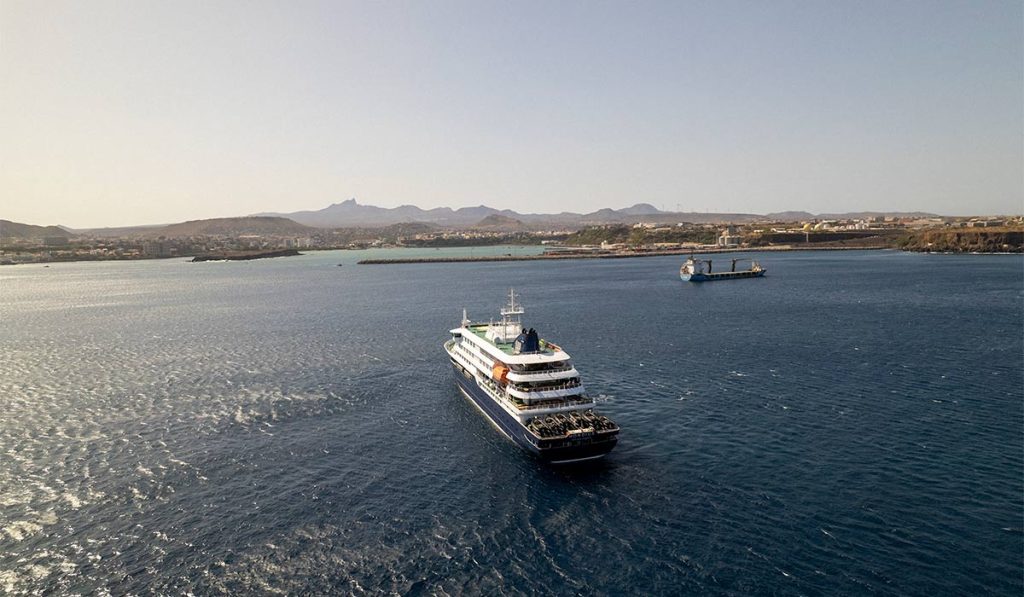
In a developing situation that has captured international attention throughout 2026, the status of two Irish nationals aboard the virus-hit cruise ship MV Hondius has finally been clarified. Following days of uncertainty surrounding a deadly hantavirus outbreak, the Minister for Foreign Affairs has confirmed that the Irish citizens currently on board are “safe and well.”
As the vessel makes its way toward the port of Granadilla in Tenerife, the incident has sparked widespread debate regarding maritime health protocols and the necessity of cross-border cooperation during medical emergencies. With three confirmed fatalities linked to the outbreak, the world is watching closely as authorities prepare for the ship’s arrival and the subsequent health screenings for all 149 passengers on board.
The Current Situation on the MV Hondius
The MV Hondius, a vessel known for expedition-style cruises, has become the center of a major public health operation. The outbreak has been traced back to a birdwatching expedition in Argentina, which took place prior to the passengers boarding the ship. Health experts suggest that the hantavirus, often transmitted through rodent droppings, can have an incubation period of up to six weeks, complicating the containment efforts.
Government Response and Irish Welfare
Minister for Foreign Affairs Helen McEntee has been the primary voice for the Irish government during this crisis. Speaking from Co. Armagh, the Minister emphasized that the safety of the Irish nationals is the government’s “absolute priority.”
Direct Engagement: The Department of Foreign Affairs is in constant communication with the two passengers.
Medical Coordination: The government is working closely with the Health Service Executive (HSE) to establish a clear medical protocol for when the passengers return to Ireland.
Support for Families: Acknowledging the gravity of the situation, the Minister expressed her deepest sympathies to the families of the three individuals who lost their lives to the virus.
Understanding Hantavirus Risks in Travel
While the World Health Organization (WHO) has indicated that they do not anticipate this specific outbreak escalating into a global epidemic, the incident serves as a stark reminder of the risks associated with remote-location travel. Hantavirus is rare, but its severity requires immediate medical attention.
How the Virus Spreads
The outbreak on the MV Hondius underscores how localized environmental exposures—such as those encountered during birdwatching excursions in rural Argentina—can quickly cross international borders via cruise travel. Because the virus is not typically spread from human to human, the risk to the general public remains low, provided that strict quarantine and monitoring measures are followed upon the ship’s arrival in Tenerife.
Expert Monitoring
Medical experts are currently monitoring the passengers to ensure that any potential symptoms are caught early. The incubation period remains the most significant hurdle for health officials, as passengers may appear asymptomatic upon docking but could potentially develop the virus weeks later.
Cross-Border Cooperation: A New Standard?
The incident has reignited discussions regarding the necessity of a unified, all-island approach to health security. Northern Ireland’s deputy First Minister Emma Little-Pengelly stressed that “viruses don’t respect borders,” highlighting the logic behind improved communication between public health officials in the Republic of Ireland and Northern Ireland.
Why Collaboration Matters
The sentiment was echoed by Taoiseach Micheál Martin, who confirmed that public health officials on both sides of the border maintain a strong, pre-existing relationship. This synergy is crucial for:
- Shared Intelligence: Rapid exchange of information regarding infectious disease outbreaks.
- Resource Management: Coordinating quarantine facilities and medical personnel for returning citizens.
- Unified Policy: Ensuring that public health advice is consistent across the island of Ireland.
What Happens Next for the Passengers?
As the MV Hondius approaches the Canary Islands, the primary focus is on a safe docking procedure. The ship is expected to anchor off the coast of Granadilla, where Spanish health authorities will take the lead in screening the passengers and crew.
The Repatriation Process
While plans are still being finalized, the Irish government’s approach will likely involve:
Initial Medical Screening: Ensuring that no passengers exhibit symptoms of the virus before they are cleared for travel.
Controlled Return: Organizing safe transport back to Ireland, potentially involving medical supervision if required.
Continued Monitoring: Following the recommended health guidelines for the duration of the virus’s potential incubation window.
Conclusion
The situation aboard the MV Hondius is a testament to the complexities of modern travel and the importance of robust public health infrastructure. While the loss of life is a tragic element of this story, the confirmation that the two Irish passengers are safe provides a glimmer of relief to their families and the public.
As the vessel nears the port, the focus must remain on the containment of the virus and the safe return of all those affected. This event will undoubtedly lead to a review of health protocols for cruise expeditions, ensuring that future travelers can explore the world with greater safety and oversight.