The SNP’s Pyrrhic Victory: How the 2026 Holyrood Election Rewrote Scotland’s Political Map

The dust has finally settled on the 2026 Scottish Parliament election, and the result is a paradox for the ages. The Scottish National Party (SNP) has secured a historic fifth consecutive term, yet the sense of triumph is muffled by a stark reality: the political landscape of Scotland has been fundamentally upended. While John Swinney remains the First Minister, the mandate is fragile, the opposition is fractured, and the traditional duopoly of Scottish politics has been shattered by the rise of insurgent forces.
For those watching from the sidelines, this election was not just a contest of policies; it was a referendum on the status quo. With a turnout of just 53.1%, the lowest in recent memory, the result suggests a public gripped by apathy and disillusionment. As we look at the wreckage of the campaign, it becomes clear that while the SNP managed to retain the keys to Bute House, the “post-Sturgeon” era has ushered in a period of unprecedented volatility.
The Collapse of the Labour Dream
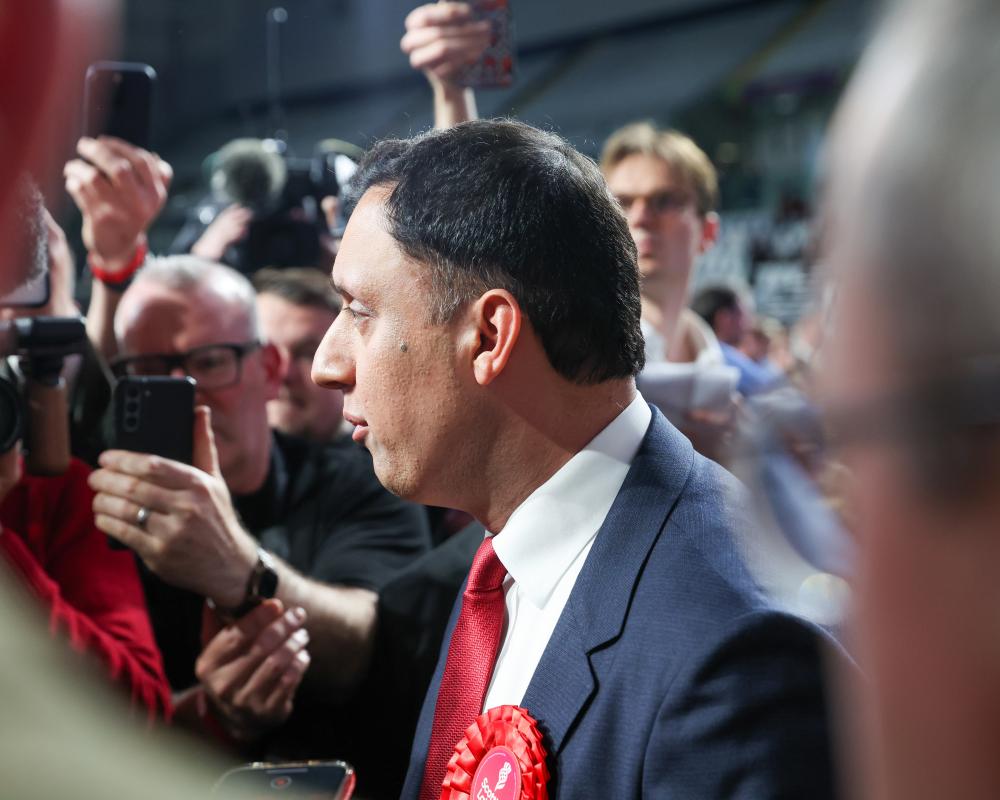
Two years ago, the political climate in Scotland felt entirely different. Following their massive gains in the 2024 UK General Election, Scottish Labour, led by Anas Sarwar, looked poised to end the SNP’s long-standing dominance. However, the 2026 results paint a picture of a party in retreat.
The failure to capitalize on the momentum of 2024 is being attributed largely to the unpopularity of Sir Keir Starmer’s administration in Downing Street. For many Scottish voters, the proximity of Scottish Labour to the UK party became a liability rather than an asset. Sarwar’s concession, delivered while the counts were still in their infancy, signaled the end of a campaign that struggled to reconcile national aspirations with Westminster’s perceived indifference.
Why Labour Failed to Launch
Downing Street Drag: The perception that Scottish Labour was merely an extension of a struggling UK government alienated core voters.
The Reform Factor: The emergence of Reform UK as a potent electoral force effectively split the anti-independence vote, neutralizing Labour’s attempt to consolidate the unionist electorate.
- Public Service Fatigue: Ongoing crises in the NHS and the much-maligned ferry procurement program created a wall of cynicism that Sarwar’s team could not overcome.
The Rise of the Insurgents: Reform and the Greens
Perhaps the most shocking development of the 2026 cycle is the unprecedented tie for second place between Scottish Labour and Reform UK. For a party that was once a fringe movement, Reform’s ability to secure 17 seats on the regional list is nothing short of a seismic shift in Holyrood’s demographic.
Led by billionaire financier Malcolm Offord, Reform UK has tapped into a vein of deep-seated frustration. By focusing on populist rhetoric and challenging the very foundations of the devolved settlement, they have forced their way into the heart of the Scottish Parliament. This has created a logistical nightmare for the parliamentary process, as Reform and Labour will now be required to rotate the role of “official” opposition—a scenario that has never occurred in the history of the Scottish Parliament.
Meanwhile, the Scottish Greens have enjoyed a surge of their own. By strategically targeting winnable constituencies and maximizing the regional list vote, they have secured a diverse and emboldened group of MSPs. Their success, driven by voters dissatisfied with the “Big Two,” highlights a growing desire for radical, alternative voices in the chamber.
The SNP’s Muted Mandate
John Swinney’s victory is technically a win, but it is one defined by shrinking margins. With only 38.3% of the constituency vote—their lowest share since 2007—the SNP’s aura of invincibility has faded. The party finds itself in a position where it must govern without a majority, relying on shifting alliances in a chamber that is more hostile than ever.
The influx of former Westminster heavyweights like Stephen Flynn into the Holyrood cohort provides the SNP with a seasoned bench, but it also invites internal pressure. With leadership aspirations bubbling just beneath the surface, Swinney must manage not just the opposition, but the ambitions of his own caucus.
Key Challenges for the New Administration:
- The Budget Black Hole: Scotland faces significant fiscal pressures that will require tough, unpopular decisions.
- The Depopulation Crisis: With rural areas struggling to retain young people, the government’s failure to present “big ideas” is now a liability.
- Governance without Coalition: Having learned from the collapse of the Bute House Agreement with the Greens, the SNP is wary of formal partnerships, yet they cannot govern in a vacuum.
The Character of the New Parliament
The 2026 intake at Holyrood is arguably the most eclectic in history. We are seeing the arrival of figures like Iris Duane, the parliament’s first trans woman member, alongside controversial figures from the Reform UK slate. This clash of ideologies is set to make First Minister’s Questions (FMQs) a volatile spectacle.
The presence of MSPs with wildly different views on everything from prison reform to immigration ensures that the legislative process will be a battleground. The “dangerously naive” label thrown at some new members by their opponents is a sign of the sharpening rhetoric that will likely define the coming term.
The Voter Disconnect: A Call for Re-engagement
Perhaps the most concerning takeaway from the 2026 election is the record-low turnout. When nearly half the electorate chooses not to participate, it suggests that the political class has lost its connection to the people it serves.
Whether it is the failure to address the ferry crisis or the perceived lack of vision regarding the economy, voters seem to be signaling that they are tired of the same tired arguments. The 2026 election was defined by public apathy, and if the new cohort of MSPs fails to address this, the next election cycle could see an even deeper crisis of democratic legitimacy.
Conclusion: A New Era of Uncertainty
Scottish politics has been permanently altered. The SNP may have survived the electoral storm, but the landscape they now inhabit is fragmented, contentious, and deeply unpredictable. With Reform UK acting as a disruptive force on the right and the Greens pushing a progressive agenda from the fringes, the traditional left-right axis of Holyrood is being replaced by a more chaotic, multi-polar environment.
John Swinney’s fifth term will be defined not by the comfort of a majority, but by the daily struggle to maintain consensus in a parliament that seems increasingly polarized. For Scotland, the 2026 election was not a return to normalcy; it was the beginning of an era where the old rules no longer apply.