Hantavirus Cruise Ship Crisis: The Massive Repatriation Plan for MV Hondius Passengers

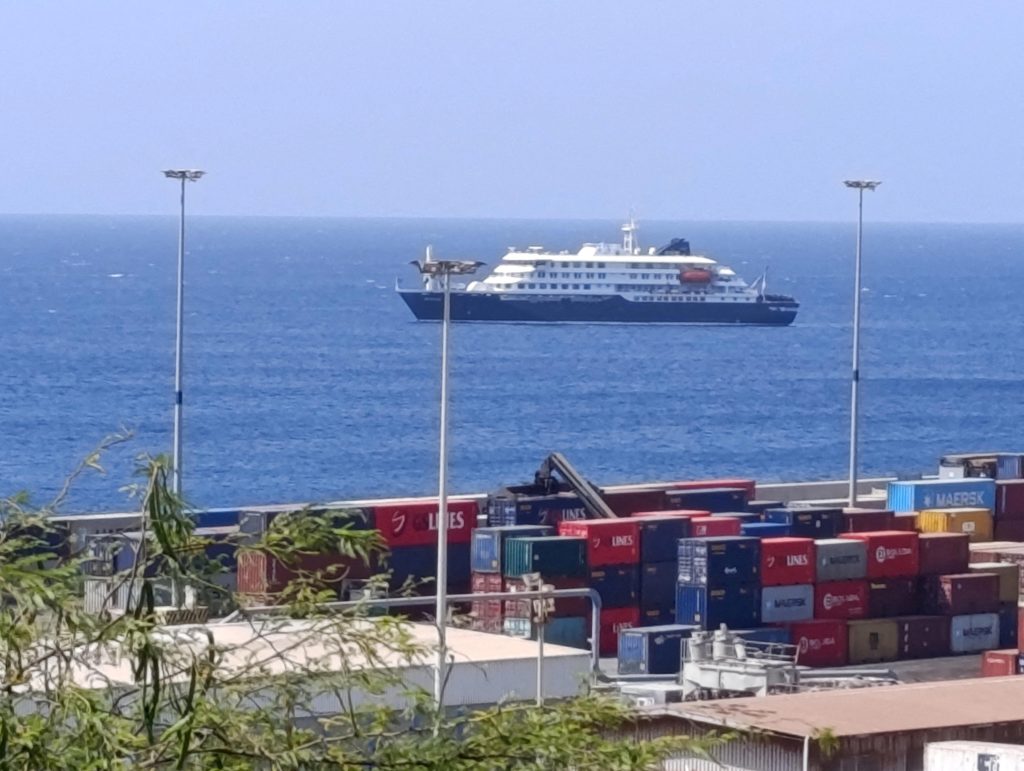
The maritime world and global health authorities are currently focused on a single point in the Atlantic Ocean: the MV Hondius. Following a devastating outbreak of the Andes strain of hantavirus, the vessel is nearing the Canary Islands, where a complex, multi-national operation is set to commence on May 10, 2026. With three confirmed deaths and international concern regarding the transmission of this rare pathogen, the disembarkation plan represents a logistical feat of pandemic-era proportions.
As the ship prepares to anchor near Tenerife between 0300 and 0500 GMT, the World Health Organization (WHO), the CDC, and several European governments have finalized an intricate strategy to prevent further spread of the virus while ensuring the safety of all passengers and crew.
The Anatomy of the Outbreak
The MV Hondius hantavirus outbreak has sent shockwaves through the global travel industry. Unlike more common viral outbreaks, the Andes strain of hantavirus is particularly concerning because of its documented ability to transmit between humans—a rare trait for this family of viruses.
Understanding the Andes Strain
Hantaviruses are typically associated with rodent droppings, but the specific strain identified on the MV Hondius has forced epidemiologists to re-evaluate containment protocols. As of May 2026, six cases have been definitively confirmed, with three tragic fatalities reported. The incubation period for this virus can be lengthy, leading health officials to maintain a high level of vigilance even for those currently asymptomatic.
The Disembarkation Strategy: May 10 and Beyond
Dr. Maria Van Kerkhove, the WHO’s acting director of epidemic and pandemic management, has outlined a two-tiered approach for the arrival of the ship in Tenerife. The plan is designed to minimize physical contact while maximizing medical oversight.
Tier 1: Medical Screening and Triage
Upon anchoring, the ship will not dock in the traditional sense. Instead, small vessels will ferry passengers to the dock in controlled groups. This staging process is critical for:
Immediate Symptom Assessment: Every individual will undergo a rigorous medical screening.
Isolation Protocols: Any passenger displaying even minor symptoms will be immediately diverted from the main group.
Emergency Medevac: Symptomatic individuals will be transported via specialized medical evacuation planes directly to the Netherlands, where advanced containment and treatment facilities are prepared to handle the Andes strain.
Tier 2: International Repatriation
For those confirmed as healthy and asymptomatic, the process shifts to a massive repatriation effort. Governments from Germany, France, Belgium, Ireland, and the Netherlands, along with the European Union, are deploying dedicated aircraft to retrieve their citizens. For non-EU citizens, including Americans and British nationals, the U.S. and U.K. governments are coordinating contingency flights to ensure a seamless transition back to their home countries.
CDC Response and the American Contingency
The U.S. government has prioritized the safe return of its citizens, with the CDC leading the public health response. Unlike standard disembarkations, American passengers will be subjected to an intense, multi-layered monitoring program.
Destination: Nebraska
Upon returning to U.S. soil, American passengers will be flown to Offutt Air Force Base in Omaha, Nebraska. From there, they will be transferred to the National Quarantine Center at the University of Nebraska, Omaha. This facility is world-renowned for its ability to handle highly infectious diseases, ensuring that any potential secondary cases are captured and treated in a secure environment.
Exposure Risk Assessment
CDC epidemiologists are scheduled to conduct an exhaustive exposure risk assessment for each passenger. This is not merely a cursory check; it involves:
- Contact Tracing: Reviewing every interaction the passenger had while on the MV Hondius.
- Clinical Monitoring: Providing clear, actionable recommendations for local health departments to follow once the passengers return to their home states.
- Biosafety Protocols: Ensuring that even those who are asymptomatic remain under observation until the full incubation period for the Andes strain has passed.
State-Level Monitoring: A Nationwide Effort
While the risk to the general American public remains “extremely low,” according to the CDC, state health departments are taking no chances. Several states have already confirmed they are monitoring residents who recently traveled on the MV Hondius.
Arizona: One resident is currently under observation.
California: State officials are tracking residents who were on board, noting no current signs of illness.
Georgia & Virginia: Residents are currently in good health but remain under active monitoring.
New Jersey: In a unique development, two individuals who were not on the ship but may have had contact with a passenger during air travel are being monitored as a precautionary measure.
The Critique of the Public Health Response
Despite the coordinated effort, the response has not been without controversy. During a media briefing on May 7, 2026, Dr. Jeanne Marrazzo of the Infectious Diseases Society of America expressed frustration over the delay in the CDC’s Health Alert Network (HAN) notification.
“The silence that we’re seeing from our premier public health institution is really concerning,” noted Dr. Carlos del Rio of Emory University. Critics argue that the HAN should have been issued earlier to alert clinicians to the potential for imported cases. This debate highlights the ongoing challenges in global health communication during the age of rapid international travel.
What Lies Ahead
As WHO Director-General Dr. Tedros Adhanom Ghebreyesus arrives in Spain to personally oversee the disembarkation, the eyes of the world remain fixed on the MV Hondius. The success of this operation will depend on the cooperation between international health bodies, the captain and crew of the vessel, and the individual governments involved.
For the passengers, the journey home is only the beginning of a period of uncertainty. However, with the deployment of top-tier medical experts and clear, data-driven protocols, the international community is doing everything possible to contain this outbreak.
Key Takeaways for the Public
Risk Mitigation: The risk to the general public remains minimal.
Transparency: Health agencies are now actively sharing data through the HAN to ensure clinicians are prepared.
Safety First: The multi-country repatriation plan is a testament to the importance of global cooperation in the face of emerging infectious diseases.
The situation remains fluid. As the ship anchors and the final medical assessments begin, the primary goal remains the same: ensuring that every passenger is returned home safely while the Andes strain of hantavirus is contained, studied, and ultimately defeated.