Global Health Alert: Tracking the Rare Hantavirus Outbreak from the MV Hondius to Remote Territories

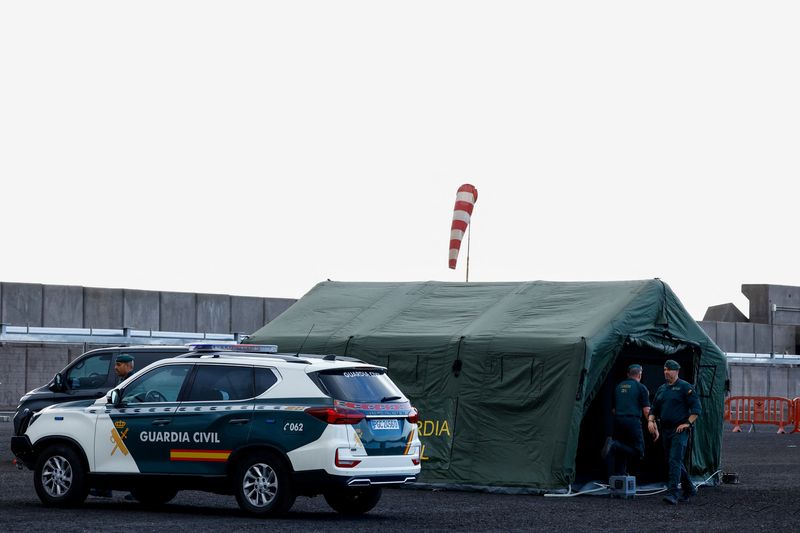
In the landscape of 2026, the interconnected nature of modern travel has once again tested the limits of international public health surveillance. A rare and concerning outbreak of hantavirus—specifically the Andes virus strain—has moved from the confines of a luxury cruise liner, the MV Hondius, to far-flung corners of the globe. With suspected cases emerging in Spain and the isolated archipelago of Tristan da Cunha, health authorities are navigating the complexities of containing a pathogen that, while rarely transmitted between humans, carries a high mortality rate.
The MV Hondius: A Catalyst for Concern
The current crisis began aboard the Dutch-flagged cruise ship MV Hondius, which had been traversing routes from Argentina through the Antarctic. As the vessel moved toward the Canary Islands, reports of severe respiratory illness among passengers and crew triggered an immediate response from the World Health Organization (WHO).
This outbreak is medically significant because it involves the Andes virus. Unlike most hantaviruses, which are typically contracted via contact with rodent excreta, the Andes strain is unique in its documented ability to spread through close, prolonged human-to-human contact. With three confirmed deaths among those on the ship, the situation has prompted a high-level coordination effort between international health agencies.
Geographic Spread: Spain and Tristan da Cunha
The emergence of suspected cases in Spain and on the remote island of Tristan da Cunha has shifted the narrative from a localized maritime incident to a global monitoring challenge. These cases demonstrate the speed at which infectious diseases can traverse continents in the modern era.
The Alicante Case: Transit Exposure
In the Spanish province of Alicante, a 32-year-old woman is currently under medical observation. Health officials believe she contracted the virus through proximity to an infected passenger during a flight. This scenario highlights the risks associated with international air travel during an active outbreak. The patient is currently exhibiting mild respiratory symptoms, and while the risk to the general public remains categorized as low, the incident has prompted a review of contact tracing protocols for travelers arriving from affected routes.
The Tristan da Cunha Outbreak
Perhaps more alarming is the case reported on Tristan da Cunha, the world’s most remote inhabited island. Located in the South Atlantic, roughly 1,500 miles from the nearest neighbor, the island is home to a small, vulnerable population of approximately 200 people. A passenger who had been aboard the MV Hondius during its mid-April stop at the island is now suspected of carrying the virus. Given the island’s isolation and limited medical infrastructure, the British Health Security Agency is working closely with local officials to ensure containment.
Understanding the Andes Virus
To understand the gravity of the current situation, it is essential to distinguish the Andes hantavirus from more common viral respiratory illnesses.
Transmission: While primary transmission occurs via rodents, human-to-human transmission requires intimate or prolonged contact, which is why the cruise ship environment provided a unique “super-spreader” setting.
Mortality Rates: In the United States, historical fatality rates for hantavirus infections have been observed as high as 50%. The severity of the illness often manifests as Hantavirus Pulmonary Syndrome (HPS), which causes rapid fluid buildup in the lungs.
- WHO Risk Assessment: Despite the high mortality rate, the WHO maintains that the risk to the general population is low. The virus does not exhibit the same aerosolized transmission characteristics as influenza or SARS-CoV-2.
Containment and Medical Repatriation
As the MV Hondius approaches the Canary Islands, authorities are finalizing strict screening protocols. The U.S. Centers for Disease Control and Prevention (CDC) has activated a “level 3” emergency response, focusing on the safe transport and quarantine of American citizens aboard the ship.
The “Medical Repatriation” Strategy
Plans are currently underway to move returning passengers via specialized medical flights directly to facilities like the University of Nebraska, which are equipped to handle high-consequence infectious diseases. This strategy minimizes the risk of community transmission upon arrival.
Screening at Ports
Ports of entry, such as those in Tenerife, have been placed on high alert. Security and health officials are working in tandem to ensure that no passenger disembarks without a thorough clinical assessment. This multi-layered approach—combining isolation at sea, controlled medical transport, and rigorous quarantine—aims to burn out the transmission chain before it can establish a foothold in local communities.
The Future of Maritime Health Security
The 2026 hantavirus outbreak serves as a stark reminder of the vulnerabilities inherent in global cruise tourism. While the industry has made significant strides in post-pandemic health safety, the appearance of a rare, high-fatality virus necessitates a re-evaluation of how cruise lines monitor and report infectious clusters.
Lessons Learned for Global Health
- Early Warning Systems: The rapid identification of the Andes strain aboard the Hondius saved countless lives. Future protocols must emphasize the speed of genetic sequencing in remote locations.
- Contact Tracing at Altitude: The Spanish case proves that air travel remains a vector. Airlines and health agencies must improve the speed at which passenger manifest data is shared with public health departments.
- Island Protection: The situation in Tristan da Cunha highlights the extreme vulnerability of isolated communities. Protecting such locations requires pre-positioned medical supplies and clear communication channels with metropolitan health authorities.
Conclusion: A Measured Response
While the news of hantavirus cases in Spain and the remote South Atlantic is naturally unsettling, it is important to view these events through the lens of modern epidemiological surveillance. The cases are being tracked, the individuals are in medical care, and the transmission dynamics of the Andes virus are being closely managed by global experts.
The situation remains fluid, but the international community’s response—characterized by coordinated quarantine efforts and transparent reporting—demonstrates that the lessons of previous global health crises have been integrated into daily practice. As we look toward the remainder of 2026, the focus remains on the recovery of the affected patients and the continued monitoring of secondary contacts to ensure that this outbreak does not expand beyond its current, contained footprint.