Beyond the News Cycle: The Human Reality Aboard the Hantavirus-Stricken MV Hondius

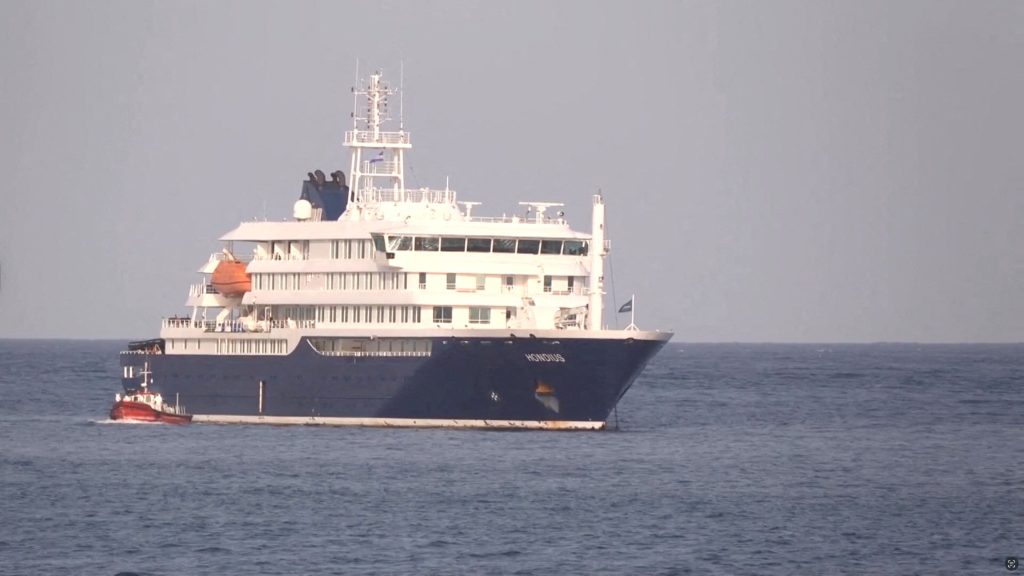
The luxury expedition cruise was supposed to be a journey of discovery, an escape into the wild beauty of the Atlantic. Instead, for the 150 guests aboard the MV Hondius, the voyage transformed into a harrowing test of resilience. As global headlines turned their focus to the hantavirus outbreak on the vessel, those trapped on board were left grappling with a reality far more complex than the sensationalist reports suggested.
“We’re not just headlines,” became the rallying cry for passengers who found themselves at the center of an international health crisis. While media outlets scrambled for updates on the rodent-borne virus, the people on the ship were busy navigating grief, uncertainty, and the day-to-day logistics of survival.
The Unfolding Crisis: A Timeline of the MV Hondius Outbreak
The situation aboard the Netherlands-based Oceanwide Expeditions vessel began with a series of symptoms that were initially mistaken for common ailments. By early April 2026, the atmosphere on the ship shifted from the camaraderie typical of expedition travel to a state of clinical vigilance.
The Initial Shock
The first sign of the tragedy occurred on April 11, when a passenger passed away after suffering from fever, headache, and gastrointestinal distress. For fellow travelers, the news was devastating. Many had spent 24 days in close proximity to the victims, sharing meals, lectures, and group excursions. The sudden realization that a “human crisis” was unfolding within their floating community left many in a state of deep shock.
Escalation and Containment
By early May 2026, the World Health Organization (WHO) confirmed that the vessel was dealing with a hantavirus outbreak. The virus, typically transmitted through contact with rodent excreta, had claimed the lives of a Dutch couple, while several others remained symptomatic. The ship, which was en route from Argentina to Cape Verde, was forced to alter its trajectory, eventually anchoring off the coast to manage the medical emergency.
Life on Board: Between Fear and Resilience
For the passengers remaining on the MV Hondius, life became a cycle of cabin isolation, medical check-ins, and the search for normalcy. Despite the gravity of the situation, many reported that the ship’s internal culture remained remarkably composed.
Maintaining Calm Amidst Uncertainty
Travel content creator Kasem Ibn Hattuta described the mood on the ship as “calm with a bit of concern.” While the presence of the virus necessitated strict health protocols—such as mandatory masking and social distancing—the passengers actively worked to maintain a positive environment. Some guests continued to venture onto the outer decks for bird watching, finding solace in the very nature they had set out to explore.
The Role of Communication
The cruise operator, Oceanwide Expeditions, faced the daunting task of managing both the medical emergency and the psychological well-being of the passengers. Regular updates were provided to ensure that everyone remained informed. For many, the professionalism of the crew served as a stabilizing force. As one former guest noted, the crew’s service remained “unbeatable,” even under the immense pressure of a global health probe.
Debunking Myths: The “Dirty Ship” Narrative
One of the most frustrating aspects for those on the ship was the misinformation circulating on social media. As rumors of poor sanitation and neglect began to surface, passengers took to their own platforms to set the record straight.
Countering Speculation: Travelers like Jake Rosmarin, a Boston-based content creator, made it clear that claims suggesting the ship was “dirty or poorly maintained” were entirely false.
Privacy vs. Publicity: There was significant speculation as to why more passengers were not sharing their experiences. The reality, as pointed out by those on board, was a simple desire for privacy. They were not hiding; they were grieving and attempting to process a traumatic event without the intrusion of mass media.
The Medical Response and Path Forward
The medical response to the hantavirus on the MV Hondius involved a coordinated effort between the ship’s crew and international health authorities. The arrival of additional doctors and the subsequent medical evacuation of those showing symptoms marked a significant turning point in the crisis.
The WHO Perspective
The World Health Organization has maintained that the risk to the general public remains low. Hantavirus is not typically spread from person to person in the way respiratory viruses like influenza are, which helped to temper the initial panic surrounding the “global pandemic” fears. The focus remains on monitoring those who have disembarked and ensuring that anyone who might have been exposed receives the necessary medical observation.
Moving Toward Resolution
As the MV Hondius headed toward the Canary Islands, the atmosphere shifted toward a tentative relief. The evacuation of the sickest passengers ensured they received specialized care, while those remaining on board could finally see a light at the end of the tunnel. For the passengers, the focus has shifted from the fear of the unknown to the hope of returning home to their families.
Lessons from the Atlantic: A Human Perspective
The ordeal aboard the MV Hondius serves as a sobering reminder that behind every news headline lies a human story. These individuals were not just statistics in a health report; they were families, travelers, and friends who found themselves in an extraordinary set of circumstances.
The Importance of Empathy
The plea from passengers—”We’re not just headlines”—is a call for empathy in an era where digital consumption often desensitizes us to the suffering of others. The trauma of losing fellow travelers, coupled with the isolation of being quarantined at sea, is a burden that cannot be fully captured by a ticker-tape notification.
Preparedness and Expedition Travel
This incident also highlights the complexities of modern expedition travel. While these ships offer unique access to remote parts of the world, they also operate in environments where medical resources are limited. The collaborative effort between the cruise line, the WHO, and local authorities in Cape Verde underscores the necessity of robust emergency protocols in the cruise industry.
Final Thoughts: The Road to Recovery
As the situation on the MV Hondius continues to resolve, the focus will likely turn to long-term health monitoring for all involved. The resilience shown by the passengers and the crew provides a testament to the human spirit in the face of the unexpected.
While the world may eventually move on to the next major news event, for those who lived through the outbreak, the experience will leave a lasting impact. It is a story of vulnerability, the strength of community, and the profound realization that in times of crisis, our shared humanity is the most valuable resource we have.