Navigating the Unseen Threat: The MV Hondius Hantavirus Crisis and Evolving Global Health Preparedness in 2026

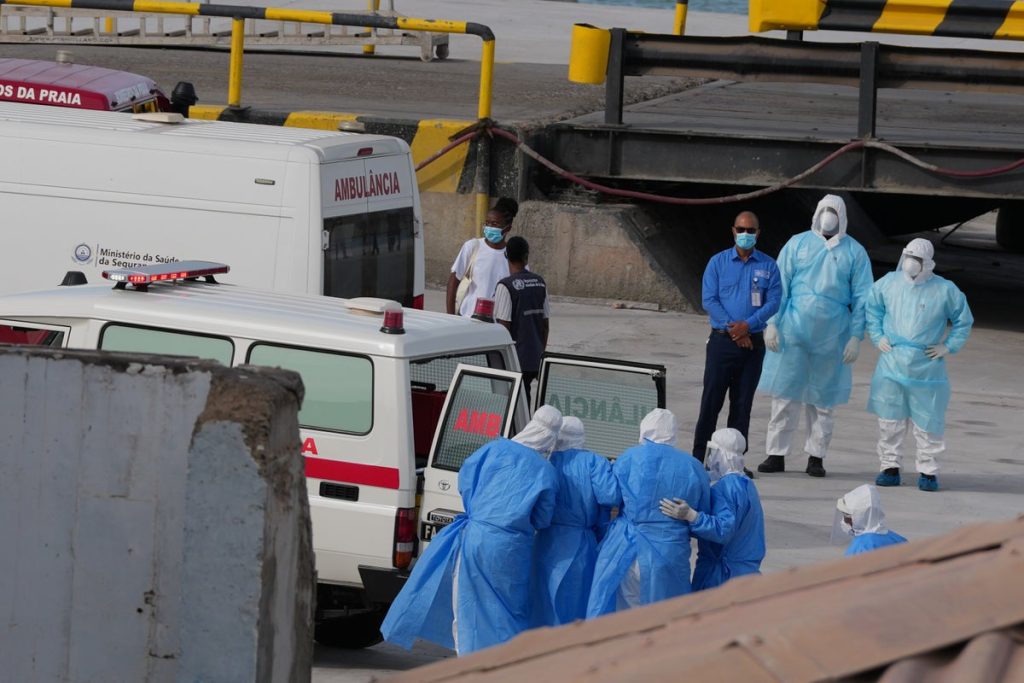
In a world increasingly interconnected, the rapid spread of infectious diseases remains a persistent concern. While the shadow of past pandemics looms large, the vigilance against novel or re-emerging pathogens is constant. One such incident, a stark reminder of the complexities inherent in global travel and public health, unfolded in early 2025 when the MV Hondius, a Dutch-flagged expedition cruise ship, became the epicenter of a deadly hantavirus outbreak. As the vessel charted a course for Spain’s Canary Islands, international authorities scrambled in an unprecedented effort to contain the threat and trace potential contacts across four continents. Now, in 2026, we look back at this pivotal event to understand the immediate crisis, the long-term lessons learned, and how it has reshaped our approach to maritime health and international disease surveillance.
The MV Hondius incident, though not escalating to pandemic levels, served as a critical stress test for global health infrastructure, highlighting the swift, coordinated action required when a serious infectious disease emerges in a highly mobile population. It underscored the vital role of international cooperation, the challenges of rapid diagnostics for rare pathogens, and the enduring importance of robust public health protocols and biosecurity protocols on the high seas.
The Unfolding Crisis: A Cruise Ship Under Siege
The saga of the MV Hondius began subtly, with initial passenger illnesses dismissed as common travel ailments. However, as the ship continued its voyage, a more sinister pattern emerged. By late April 2025, several passengers had succumbed to a mysterious illness, prompting urgent investigations. It wasn’t until early May, following an intensive epidemiological investigation, that health authorities, in collaboration with the World Health Organization (WHO), confirmed the presence of hantavirus among the deceased and sick passengers. This confirmation triggered a global alarm, transforming a luxury cruise into an urgent public health mission.
The MV Hondius, carrying over 140 passengers and crew, was eventually granted permission to dock in Tenerife, one of Spain’s Canary Islands, after initial hesitations from some local authorities. Spain’s emergency services meticulously prepared for the ship’s arrival, establishing a completely isolated, cordoned-off area and rigorous quarantine procedures to manage the delicate evacuation process. The plan involved careful health screenings and immediate isolation for any symptomatic individuals, while arrangements were made for the repatriation of asymptomatic passengers.
This particular hantavirus outbreak, a classic zoonotic disease later identified as a variant associated with rodents in specific South American regions, presented unique challenges. Unlike more common respiratory viruses, hantavirus is not typically transmitted person-to-person, but rather through the inhalation of aerosolized rodent droppings, urine, or saliva, making rodents the primary disease vectors. This characteristic, while reassuring in terms of wider public spread, complicated the initial investigation into how the exposure occurred on board a modern cruise ship.
Hantavirus: Understanding the Silent Threat
Hantaviruses have existed for centuries, found naturally in rodent populations across the globe. They represent a family of viruses that can cause severe, sometimes fatal, diseases in humans, primarily Hantavirus Pulmonary Syndrome (HPS) in the Americas and Hemorrhagic Fever with Renal Syndrome (HFRS) in Europe and Asia. The MV Hondius incident primarily involved HPS, characterized by rapid onset of respiratory distress.
Key Facts About Hantavirus:
Transmission: Primarily through exposure to infected rodent droppings, urine, or saliva. Humans typically contract the virus by inhaling airborne particles contaminated with these excretions.
Person-to-Person Spread: Crucially, hantavirus is not known to spread easily from person to person. This fundamental difference sets it apart from highly contagious viruses like SARS-CoV-2, as emphasized by WHO officials during the crisis.
Symptoms:
Early: Fever, fatigue, muscle aches, headaches, dizziness, chills, and abdominal problems.
Late (HPS): Coughing, shortness of breath, rapid progression to severe respiratory distress.
Late (HFRS): Intense headaches, back and abdominal pain, fever, chills, nausea, blurred vision, followed by kidney failure.
Mortality Rate: Can be high, especially for HPS (around 38%), making early diagnosis and intensive medical care critical.
Treatment: No specific antiviral treatment exists. Care focuses on supportive measures, including oxygen therapy and ventilation for HPS, and dialysis for HFRS.
The tragic death of Betsy Arakawa, wife of actor Gene Hackman, from hantavirus in New Mexico in 2024, had already brought renewed public attention to the virus, underscoring its potential severity even before the MV Hondius incident unfolded. This prior awareness likely contributed to the urgency and seriousness with which the cruise ship outbreak was handled by global health authorities.
The Global Contact Tracing Marathon
Perhaps one of the most challenging aspects of the MV Hondius crisis was the unprecedented international contact tracing effort. Before the hantavirus diagnosis was confirmed, more than two dozen passengers from at least 12 different countries had disembarked the ship without any contact tracing protocols in place. These individuals had scattered across four continents, posing an immense logistical challenge for public health agencies.
The Complexity of International Tracing:
Delayed Detection: The lag between the first death and confirmed diagnosis meant a significant head start for the virus, as potentially exposed individuals had already moved through international travel hubs.
Jurisdictional Hurdles: Tracing required seamless cooperation between national health ministries, border control agencies, and international organizations like the WHO, navigating diverse legal frameworks and data privacy regulations.
High Mobility: Modern air travel meant passengers could be thousands of miles away within hours, making real-time tracking difficult. The case of a KLM flight attendant, who fell ill after working on a flight that briefly carried an infected cruise passenger (who later died in Johannesburg), perfectly illustrated this rapid dissemination risk.
Resource Intensiveness: The sheer scale of the operation demanded significant resources, diverting personnel and funds from other public health initiatives.
The WHO played a crucial coordinating role, operating within the framework of the International Health Regulations (IHR) to facilitate information exchange and technical support among affected countries. This intricate web of surveillance, communication, and rapid response was a testament to the advancements in global health security frameworks established in the wake of previous pandemics, yet it also exposed areas ripe for improvement.
Spain’s Decisive Role and Repatriation Efforts
Spain, particularly the Canary Islands, found itself on the front lines of the MV Hondius response. Despite initial concerns from local island leaders and port health officials about accepting a vessel with a deadly pathogen, the Spanish government, in close consultation with the WHO and Dutch authorities (as the ship was Dutch-flagged), made the critical decision to allow the ship to dock in Tenerife. This decision was lauded as a responsible humanitarian and public health measure, preventing the ship from becoming a floating quarantine zone with potentially deteriorating conditions.
Key Aspects of Spain’s Response:
Controlled Disembarkation: A highly controlled and isolated port area was designated for the MV Hondius. This allowed for systematic screening, medical evaluation, and safe transfer of passengers and crew.
Medical Preparedness: Local hospitals in Tenerife were put on high alert, with isolation wards and specialized medical teams prepared to handle hantavirus cases, despite the rarity of the disease in the region.
International Cooperation on Repatriation:
The United States swiftly arranged for a chartered flight to repatriate its 17 citizens on board.
The United Kingdom followed suit, chartering a plane for its nearly two dozen citizens.
Other nations coordinated with Spain and the cruise operator to ensure their citizens’ safe return, often involving further health monitoring upon arrival in their home countries.
This coordinated international effort to repatriate citizens while simultaneously managing a health crisis underscored the critical need for pre-established agreements and rapid deployment capabilities in future global health emergencies.
Lessons Learned and Evolving Protocols in 2026
The MV Hondius hantavirus incident, while contained, left an indelible mark on global health policy and cruise industry health standards and protocols. In 2026, its legacy is evident in several key areas:
Enhanced Maritime Health Surveillance
The incident highlighted the vulnerabilities of cruise ships as potential vectors for disease transmission, even for non-human-to-human pathogens. Since 2025, there has been a noticeable push for:
Proactive Rodent Control: Stricter and more frequent pest control measures, particularly for expedition ships venturing into less developed regions or docking in ports with known rodent populations.
Improved Onboard Diagnostics: Investment in rapid diagnostic tools for a wider range of pathogens, enabling quicker pathogen identification and response to unusual illnesses.
Mandatory Incident Reporting: Stricter guidelines for cruise operators to immediately report any unusual clusters of illness to international health authorities, irrespective of initial suspected cause.
Standardized Health Declarations: More robust pre-boarding health screenings and post-disembarkation follow-up protocols, especially when a ship has experienced an outbreak.
Streamlined International Contact Tracing Frameworks
The challenges faced in tracing passengers across four continents led to significant improvements in global health security. In 2026, we see:
Digital Contact Tracing Integration: Enhanced interoperability between national digital contact tracing systems, allowing for quicker and more efficient data sharing (with appropriate privacy safeguards) during an international health crisis.
Pre-negotiated Data Sharing Agreements: More comprehensive bilateral and multilateral agreements between nations and international bodies (like WHO and ICAO) to facilitate rapid sharing of passenger manifests and travel itineraries in emergency situations.
Rapid Response Teams: The establishment of dedicated, internationally deployable rapid response teams specialized in large-scale contact tracing and outbreak investigation for maritime and air travel.
Revisiting WHO Guidelines and Pandemic Preparedness
The MV Hondius incident, coming relatively soon after the global pandemic, served as a crucial reminder that “not the next COVID” does not mean “not a serious threat.”
Focus on Rare Pathogens: Increased emphasis on preparedness for rare or re-emerging pathogens, ensuring that health systems are not solely focused on respiratory viruses but maintain broad diagnostic and response capabilities.
Public Communication Strategies: Refined strategies for communicating risk effectively to the public, balancing transparency with avoiding undue panic, especially for diseases with low human-to-human transmissibility.
Cross-Sectoral Collaboration: Stronger linkages between public health, maritime industries, tourism sectors, and national security agencies to develop integrated emergency response plans.
The incident also spurred further research into hantavirus, including potential prophylactic measures for high-risk expedition travel and improved early detection methods in diverse environments. The resilience of the cruise industry, which had only recently begun its recovery from pandemic-era disruptions, was once again tested, leading to further investment in health and safety infrastructure to rebuild passenger confidence.
Conclusion: A Vigilant Future
The MV Hondius hantavirus crisis of 2025 stands as a compelling case study in effective outbreak management in the annals of global health. It highlighted the intricate dance between human mobility, environmental factors, and the ever-present threat of infectious diseases. The swift, coordinated, albeit challenging, response from Spanish authorities, the WHO, and numerous international partners prevented a potentially wider public health crisis, demonstrating the critical importance of preparedness and collaboration.
In 2026, the legacy of the MV Hondius is not one of fear, but of enhanced vigilance and improved systems. It underscored that while hantavirus may not be “the next COVID” in terms of transmissibility, any serious infectious disease requires a robust, agile, and internationally coordinated response. As global travel continues to expand, the lessons learned from this incident will undoubtedly continue to shape how we safeguard public health on the world’s oceans and beyond, ensuring that the unseen threats are met with unwavering preparedness.