Hantavirus Crisis at Sea: The Heart-Wrenching Story of the MV Hondius Outbreak and the Blogger Who Shared the Terror

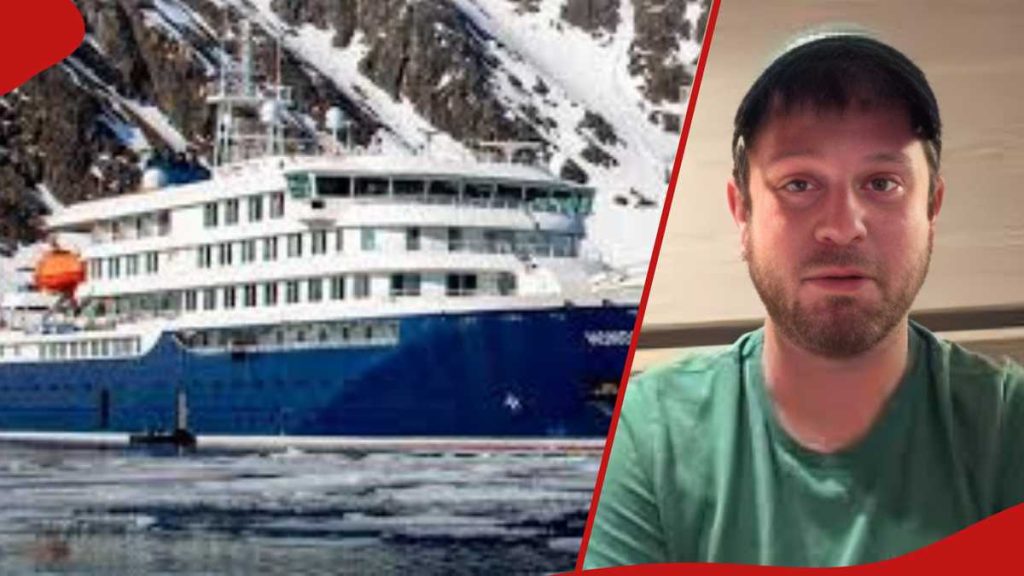
The year 2026 was supposed to be a landmark for the revival of luxury expedition cruising, but for the passengers aboard the MV Hondius, it has turned into a harrowing battle for survival. What began as a dream voyage from the tip of South America has spiraled into a nightmare of isolation, fear, and death. At the center of this viral storm is an emotional plea from US travel blogger Jake Rosmarin, whose tearful breakdown has ignited a global conversation about safety, empathy, and the terrifying reality of a hantavirus outbreak at sea.
As the ship remains anchored off the coast of Cape Verde, barred from docking, the world watches a tragedy unfold in real-time. With three lives already claimed and several others fighting for their breath, the MV Hondius has become a symbol of the fragility of modern travel.
The Voyage of Despair: 6,000 Miles into a Nightmare
The MV Hondius set sail from Ushuaia, Argentina, approximately one month ago. The vessel, known for its “polar class” capabilities, was designed to take adventurous travelers to the most remote corners of the globe. However, as the ship crossed the vast Atlantic Ocean, an invisible enemy was already lurking in the shadows.
By the time the ship had covered 6,000 miles, the atmosphere of celebration had been replaced by one of clinical precision and mounting dread. The first signs of trouble emerged when passengers began reporting severe respiratory distress—a hallmark of the hantavirus pulmonary syndrome.
The Victims of the Atlantic Voyage
The human cost of this outbreak is devastating. To date, three people have died on board:
A Dutch couple who were reportedly enjoying their retirement.
A German passenger whose condition deteriorated rapidly before medical intervention could be finalized.
In addition to these fatalities, a 69-year-old British national was evacuated in critical condition to a hospital in South Africa, where he remains in intensive care. Two crew members—one British and one Dutch—who were in close contact with the deceased German national are currently awaiting emergency evacuation as the ship sits in a state of high-alert isolation.
The Face of the Crisis: Jake Rosmarin’s Emotional Breakdown
In the age of social media, the world often views crises through the lenses of influencers. However, the video posted by Jake Rosmarin was far from the polished, curated content his 44,000 followers are used to. Rosmarin, a Boston-based travel blogger, appeared visibly shaken, breaking down as he described the “strict precautionary measures” and the overwhelming uncertainty of their situation.
“We are not just headlines; we are people,” Rosmarin sobbed in his video. “There is a lot of uncertainty, which is the hardest part. All we want is to feel safe and have some clarity.”
Influencer or Witness? The Debate Over Authenticity
Rosmarin’s reaction sparked a firestorm of opinions online. While some netizens labeled his video as “overly dramatic,” his close friend, Emily Rolewicz, stepped forward to defend him. She clarified that Jake was using a teleprompter app—a standard tool for professional content creators—to ensure he could communicate clearly despite his emotional state.
“This is his job, and he takes it seriously,” Rolewicz stated. “Documenting what is going on and how he feels about it is literally his job. This virus has a high mortality rate and a long incubation period. It has to be really scary not knowing if more people, or even yourself, might get sick.”
What is Hantavirus? Understanding the 2026 Threat
Hantavirus is not a new pathogen, but its emergence on a high-end cruise ship in 2026 has raised serious questions about maritime biosecurity. Traditionally, hantaviruses are a family of viruses spread mainly by rodents.
How Transmission Occurs
Humans typically contract the virus through:
Inhalation: Breathing in air contaminated with rodent urine, droppings, or saliva (aerosolization).
Direct Contact: Touching contaminated surfaces and then touching the mouth or nose.
Bites: Though rare, a bite from an infected rodent can transmit the disease.
While hantavirus is rarely transmitted between humans, the WHO (World Health Organization) has noted that the close quarters of a cruise ship provide a unique environment for “suspected clusters.” In the case of the MV Hondius, the presence of rodents or contaminated supplies taken on board in South America is the primary theory behind the outbreak.
Symptoms and Severity
The symptoms often mimic the flu in the early stages, making it difficult to diagnose without laboratory testing. However, it quickly progresses to Hantavirus Pulmonary Syndrome (HPS), which includes:
- Severe shortness of breath.
- Fluid accumulation in the lungs.
- Low blood pressure and shock.
With a mortality rate that can exceed 35-40%, the fear among the 149 passengers from 23 different countries is mathematically justified.
The Diplomatic Deadlock: Why Cape Verde Barred Disembarkation
As the MV Hondius approached Cape Verde, the passengers hoped for a reprieve. Instead, they were met with a closed port. Local authorities, citing the safety of their own citizens, barred any passengers from disembarking.
The Ethics of Quarantine
The decision to keep the ship at sea has sparked a debate on the ethics of maritime quarantine. On one hand, Cape Verde lacks the intensive care infrastructure to manage a potential multi-case outbreak of a high-mortality virus. On the other hand, keeping 146 potentially healthy people trapped in a “virus incubator” (as some netizens called it) raises significant human rights concerns.
The vessel is currently under “strict precautionary measures,” which include:
Total Isolation: Passengers are confined to their cabins.
Enhanced Hygiene Protocols: Constant sanitization of all surfaces.
Medical Monitoring: Regular temperature checks and symptom reporting.
Public Reaction: “Floating Petri Dishes” and the Cruise Industry
The news has reignited the long-standing criticism of the cruise industry. For many, the MV Hondius incident is a grim reminder of the Diamond Princess crisis of 2020.
Netizen Commentary
The internet’s reaction has been a mix of cold pragmatism and deep sympathy:
Kristen Tornquist remarked, “Cruising is a risky venture. A floating petri dish.”
Rachel Katherine echoed the sentiment, calling ships “big virus incubators.”
Conversely, Kat Fisher defended the industry, suggesting that those who criticize cruises have often never stepped foot on one.
Kim Davis highlighted the necessity of the quarantine: “They can’t take the risk of it spreading on land so right now they have to stay on board to keep it contained.”
The Role of the WHO and Global Health Authorities
As of May 2026, the World Health Organization has confirmed that seven cases have been identified in this cluster—two laboratory-confirmed and five suspected. The WHO is working closely with maritime authorities to facilitate the safe evacuation of the most critical patients while maintaining the integrity of the quarantine.
The challenge in 2026 is the incubation period. Hantavirus symptoms can take up to several weeks to appear. This means that even if a passenger feels fine today, they could be carrying a ticking time bomb in their respiratory system.
How to Stay Safe: Lessons for Future Travelers
While the situation on the MV Hondius is rare, it serves as a wake-up call for travelers in 2026. If you are planning a cruise or an expedition to remote areas, consider the following safety measures:
1. Research Vessel Maintenance
Before booking, look into the ship’s recent health inspections. High-end expedition ships like the MV Hondius are usually well-maintained, but the risk of stowaway rodents is a perennial issue in maritime logistics.
2. Understand the Medical Facilities
Expedition ships often have limited medical staff. In 2026, ensure your travel insurance covers emergency aero-medical evacuation, as the cost of being airlifted from the middle of the Atlantic can be astronomical.
3. Practice Vigilant Hygiene
While hantavirus is primarily rodent-to-human, maintaining personal hygiene and avoiding areas where rodent activity might be present (such as storage lockers or damp lower decks) is essential.
Conclusion: A Call for Compassion
The story of the MV Hondius is not just a medical bulletin; it is a human tragedy. Behind the statistics of “three dead” and “149 stranded” are families, careers, and lives interrupted by a rare and ruthless virus. Jake Rosmarin’s breakdown, regardless of how it was filmed, represents the raw terror of being trapped in a beautiful cage with an invisible killer.
As we move forward in 2026, the focus must remain on the safe return of these passengers and a thorough investigation into how a rodent-borne virus managed to breach the defenses of a modern cruise liner. Until then, the world waits for the next update from the shores of Cape Verde, hoping for clarity, safety, and no further loss of life.