Global Health Alert: The Race to Trace Passengers of the Hantavirus-Stricken MV Hondius

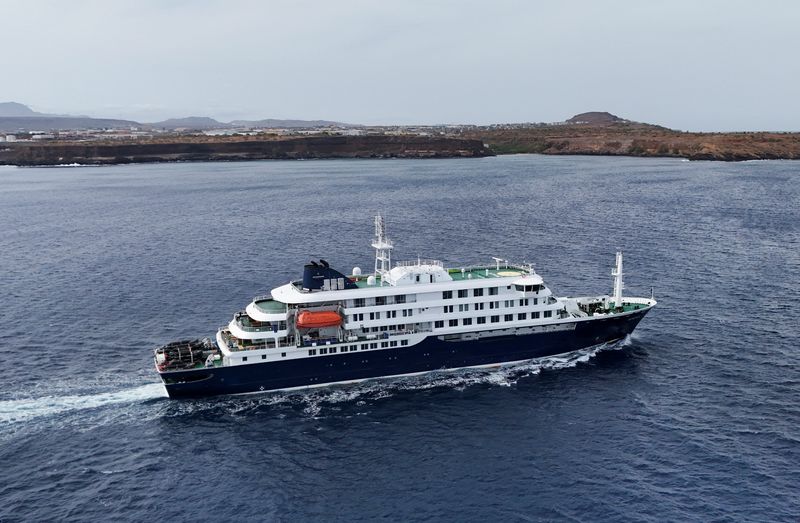
The year 2026 has brought a stark reminder that the world remains vulnerable to emerging infectious diseases. In a high-stakes medical drama unfolding across the Atlantic, health authorities from over a dozen nations are currently engaged in a massive contact-tracing operation. The focus of this international scramble is the MV Hondius, a cruise ship that has become the epicenter of a rare and deadly hantavirus outbreak.
As of May 7, 2026, the situation has escalated from a localized medical concern to a coordinated global health response. With three confirmed deaths and several others fighting for their lives, the race is on to identify every individual who stepped off the vessel before the alarm was sounded.
The MV Hondius Outbreak: What We Know So Far
The MV Hondius, operated by Oceanwide Expeditions, was navigating the remote waters of the South Atlantic when the first signs of trouble emerged. What was supposed to be a journey of exploration turned into a nightmare as passengers began falling ill with severe respiratory and systemic symptoms.
To date, the World Health Organization (WHO) has confirmed that five individuals have contracted the virus, with at least three additional suspected cases. Tragically, the outbreak has already claimed three lives: a Dutch couple and a German national.
The Timeline of Infection
The timeline of the outbreak is critical for epidemiologists. The Dutch couple, believed to be the index cases, boarded the ship on April 1. By the time the ship reached St. Helena on April 24, the virus may have already been circulating. It wasn’t until early May that the first case was officially laboratory-confirmed, leaving a nearly two-week window where passengers disembarked and traveled to their home countries undetected.
Understanding the Hantavirus: The Andean Strain Risk
While hantaviruses are typically associated with rodent-to-human transmission—usually through the inhalation of dust contaminated with rodent droppings—this specific outbreak has raised eyebrows due to the strain involved.
The Andean Strain and Human-to-Human Transmission
Health officials have identified the Andean strain of the hantavirus in several victims. This particular variant is notorious in medical literature because it is one of the few hantaviruses capable of person-to-person transmission. Although such transmission is rare, the confined environment of a cruise ship provides the “perfect storm” for the virus to jump between hosts.
Key characteristics of the Andean Hantavirus include:
High Fatality Rate: Hantavirus Pulmonary Syndrome (HPS) can have a mortality rate of up to 35-40%.
Incubation Period: Symptoms can take anywhere from 1 to 8 weeks to manifest, making contact tracing exceptionally difficult.
Initial Symptoms: Often mimic the flu, including fever, muscle aches, and fatigue, before progressing to severe shortness of breath.
“This is Not COVID”: WHO Issues a Calming but Firm Warning
In a press conference held in Geneva, Maria Van Kerkhove, the WHO’s director of epidemic and pandemic management, was quick to differentiate this crisis from the SARS-CoV-2 pandemic that reshaped the early 2020s.
“This is not coronavirus; this is a very different virus,” Van Kerkhove stated. She emphasized that while the situation is serious, the risk to the general public remains low. The primary objective now is containment and the monitoring of those directly exposed. The global health infrastructure is significantly more robust in 2026 than it was six years ago, allowing for a more surgical response rather than blanket lockdowns.
The Global Search: Tracking Passengers Across 12 Countries
The logistical challenge of this outbreak is staggering. Passengers from at least 12 different countries disembarked in St. Helena or other ports before the virus was identified.
The United States Response
The Centers for Disease Control and Prevention (CDC) is currently monitoring several residents across multiple states:
Georgia: Two asymptomatic residents are under observation after returning home from the ship.
Arizona: One resident is being monitored by state health services.
Texas: Two passengers returned to the state before the outbreak was flagged.
California: State officials are tracking a “number of residents” who were aboard the MV Hondius.
The European Context
Europe has been hit hardest by the initial fatalities and secondary exposures:
The Netherlands: Beyond the two deaths, a KLM flight attendant has been hospitalized in Amsterdam. She had been in contact with the Dutch woman who died during a flight from Johannesburg.
Germany: One German national has died, and another evacuee is currently undergoing rigorous testing at the Duesseldorf University Clinic.
Switzerland: A male traveler has tested positive and is receiving treatment in a Swiss hospital.
- Denmark: One citizen is currently in self-isolation as a precautionary measure.
Canada and the Southern Hemisphere
In Canada, three individuals are being monitored. Two returned home early, while a third was on the same flight as a symptomatic passenger. Meanwhile, in South Africa, health officials are reviewing the protocols at Johannesburg airport following the death of the Dutch passenger who was removed from a KLM flight due to her deteriorating condition.
Medical Evacuations and Ship Status
While the world tracks those who left, the MV Hondius remains at sea, currently sailing toward the Canary Islands. The ship’s operator, Oceanwide Expeditions, has been working transparently with international health bodies to provide manifests and crew logs dating back to March 20.
On Wednesday, May 6, three patients were successfully evacuated from the ship via specialized medical transport. Among them was Martin Anstee, an expedition guide. Speaking from a hospital bed in the Netherlands, Anstee told Sky News he was “doing okay” but noted the intensity of the ongoing diagnostic tests.
The remaining passengers on the ship are reported to be asymptomatic. The WHO is currently drafting step-by-step guidance for their arrival in the Canary Islands, expected this weekend. Upon arrival, these passengers will likely face strict screening and potential quarantine before being allowed to travel home.
The Role of Modern Surveillance in 2026
The speed at which these passengers were identified is a testament to the integrated health surveillance systems established post-2020. In 2026, digital health passes and international data-sharing agreements have allowed the CDC and European health agencies to flag travelers within hours of the ship’s manifest being released.
However, the “human element” remains a challenge. As seen with the KLM stewardess, brief encounters can lead to potential transmission, necessitating a wide net for contact tracing that includes airline staff, taxi drivers, and airport personnel.
Analyzing the Impact on the Cruise Industry
This incident comes at a time when the cruise industry had finally regained its full momentum. The MV Hondius, known for its polar expeditions and high-end adventure travel, represents a niche but significant segment of the market.
Potential long-term effects include:
- Stricter Pre-Boarding Health Screenings: We may see the introduction of rapid-test panels for a broader range of viral pathogens, not just respiratory ones.
- Enhanced Rodent Control Protocols: Since hantavirus is primarily zoonotic, cruise lines operating in remote or coastal areas will face increased scrutiny regarding pest management.
- Onboard Medical Upgrades: The necessity of isolating infectious passengers in high-tech “bio-secure” cabins may become a standard requirement for vessel certification.
Conclusion: A Test of Global Coordination
The hantavirus outbreak on the MV Hondius is a vivid reminder that in our hyper-connected world, a localized health event in the South Atlantic can trigger a global response within days. While the Andean strain poses a unique challenge due to its potential for human-to-human spread, the swift action of the WHO, CDC, and various national health ministries suggests that the lessons of the past decade have been learned.
For now, the focus remains on the survivors and the “silent” carriers who may still be in their incubation period. As the MV Hondius nears the Canary Islands, the world watches, hoping that this localized outbreak can be snuffed out before it finds a foothold on land.
The coming days will be crucial. The success of the current contact-tracing efforts will determine whether this remains a tragic footnote in maritime history or a larger public health crisis for 2026.
Summary of Key Locations and Cases (May 2026)
| Country | Status | Details |
| :— | :— | :— |
| Netherlands | 2 Deaths | Couple died; KLM stewardess hospitalized. |
| Germany | 1 Death | One national deceased; one contact under testing. |
| Switzerland | 1 Confirmed | Patient currently in hospital. |
| USA | Monitoring | Residents in GA, AZ, TX, and CA under watch. |
| Canada | Monitoring | 3 individuals asymptomatic; one flight exposure. |
| St. Helena | Port of Call | Critical point for passenger disembarkation. |
The public is advised to remain calm but informed. If you or someone you know traveled on the MV Hondius between March and May 2026, contact your local health department immediately.