From Antarctica to Isolation: The Untold Story of the MV Hondius Hantavirus Outbreak

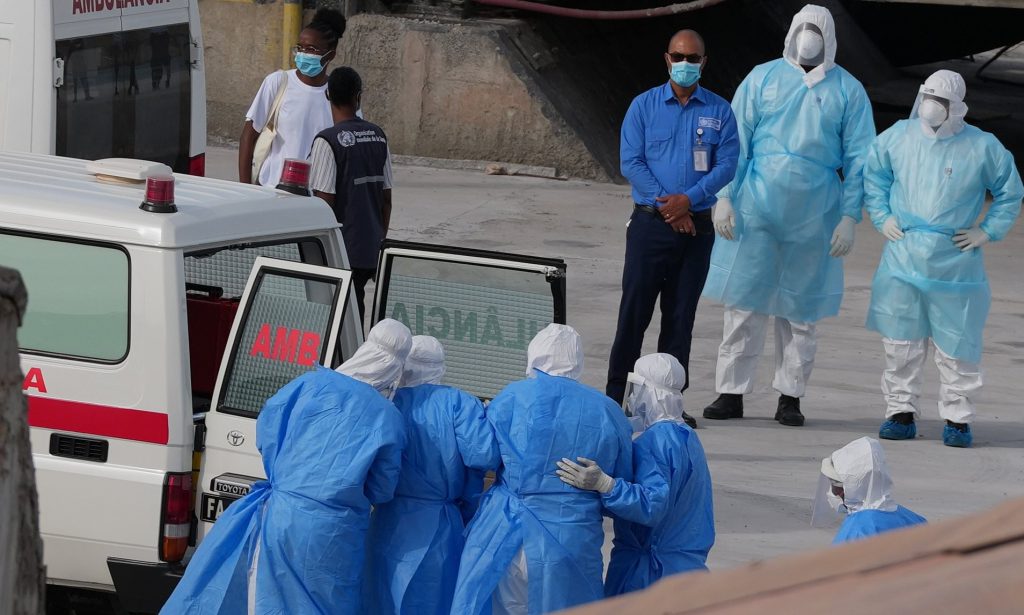
The dream of an Antarctic expedition turned into a maritime nightmare in 2026 as the MV Hondius, a luxury cruise vessel, became the epicenter of a terrifying health crisis. What began as an adventure from the southern tip of Argentina quickly descended into chaos, with a suspected outbreak of the deadly rodent-borne hantavirus claiming the lives of three passengers and leaving hundreds stranded in the Atlantic Ocean.
As the international community grapples with the aftermath, the focus has shifted to the passengers who managed to leave the vessel before the full scale of the tragedy became apparent. Among them, an Australian traveler has successfully returned home, providing a chilling glimpse into the early days of an outbreak that has since sparked a global health investigation.
The Timeline of a Maritime Crisis
The MV Hondius set sail in late March, promising passengers an immersive experience in the pristine wilderness of Antarctica. However, the voyage took a dark turn as reports of a mysterious, rapidly progressing illness began to surface. By the time the vessel reached the waters off the coast of Cape Verde, West Africa, the situation had reached a breaking point.
The Early Disembarkation
When the first death was recorded on board, health protocols were triggered. On April 21, a group of 23 passengers, including at least one Australian, were permitted to disembark at the remote island of St Helena. At the time, the full extent of the hantavirus threat was not yet fully understood by those on board.
Since returning to Australia, this passenger has become a focal point for health authorities attempting to trace the virus’s transmission. While the individual is now home, reports indicate that others from that same group of 23 have faced significant health battles, with at least one passenger currently recovering in a Swiss hospital after testing positive for the virus.
Understanding the Hantavirus Threat
Hantavirus is a rare but lethal viral infection primarily transmitted through contact with the urine, droppings, or saliva of infected rodents—most commonly rats and mice. The outbreak on the MV Hondius highlights the unique risks associated with long-duration maritime travel, where enclosed environments can facilitate the rapid spread of pathogens if sanitation protocols are compromised.
Why Hantavirus is Dangerous
Respiratory Failure: The virus often leads to Hantavirus Pulmonary Syndrome (HPS), a severe respiratory condition that can progress quickly.
Difficult Detection: Early symptoms often mimic the flu, including fever, muscle aches, and fatigue, making early diagnosis challenging in a shipboard setting.
- Environmental Persistence: The virus can remain infectious in dust or aerosolized particles, meaning close proximity to contaminated areas poses a significant risk to all passengers.
The Plight of the Stranded 149
While some passengers managed to escape the vessel early, 149 individuals—including four Australians—were left stranded on the MV Hondius as it remained moored off the coast of Cape Verde. The situation has been described as a “logistical and humanitarian disaster,” with passengers reporting a lack of communication from authorities in the days following the initial deaths.
The Struggle for Evacuation
For those still on board, the uncertainty of the situation became as taxing as the threat of the virus itself. Reports from passengers trapped on the ship indicate that they were left in the dark for days, with little information regarding their health status or potential evacuation plans.
The World Health Organization (WHO) and various international health agencies have been working to coordinate a response. However, the complexity of evacuating a vessel in international waters, combined with the stringent quarantine requirements necessary for a suspected hantavirus outbreak, has complicated the rescue mission.
Lessons Learned from the MV Hondius Tragedy
The 2026 MV Hondius incident serves as a stark reminder of the vulnerabilities inherent in the luxury cruise industry. As cruise lines push further into remote, unexplored territories, the capacity for medical support and rapid evacuation becomes a critical concern.
Improving Cruise Ship Safety Protocols
- Enhanced Pest Control: Stricter maritime regulations regarding rodent control on vessels traversing long distances are essential to prevent future outbreaks.
- Transparent Communication: The frustration expressed by passengers regarding the lack of updates highlights the need for a standardized protocol for informing passengers during a health crisis.
- Rapid Diagnostic Capability: Ships embarking on long-haul expeditions must be equipped with advanced diagnostic tools to identify rare pathogens like hantavirus in their early stages.
The Human Impact: Beyond the Statistics
Behind the headlines of “149 stranded” and “three dead,” there are individual stories of trauma. The Australian passenger who returned home represents a small fraction of the lives touched by this event. For those who left early, the relief of reaching home was likely tempered by the knowledge that their fellow travelers remained in a high-risk environment.
The global nature of the passenger manifest—comprised of Americans, British, Dutch, Taiwanese, and Australians—demonstrates how quickly a localized outbreak can turn into a complex international diplomatic and health issue. As the remaining passengers eventually find their way home, the psychological impact of this ordeal will likely be felt for years to come.
Conclusion: A Call for Global Accountability
The return of the Australian passenger marks the beginning of the end for the MV Hondius crisis, but it also marks the start of a long process of accountability. Why were rodents able to access food stores or passenger areas? Were the initial symptoms ignored or misdiagnosed by ship medical staff? These are questions that maritime authorities and cruise operators must answer.
As we move forward in 2026, the maritime industry faces a reckoning. Safety cannot be sacrificed for the allure of remote exploration. The tragic events aboard the MV Hondius serve as a sobering lesson that in an interconnected world, the health of a single passenger is the responsibility of all.